
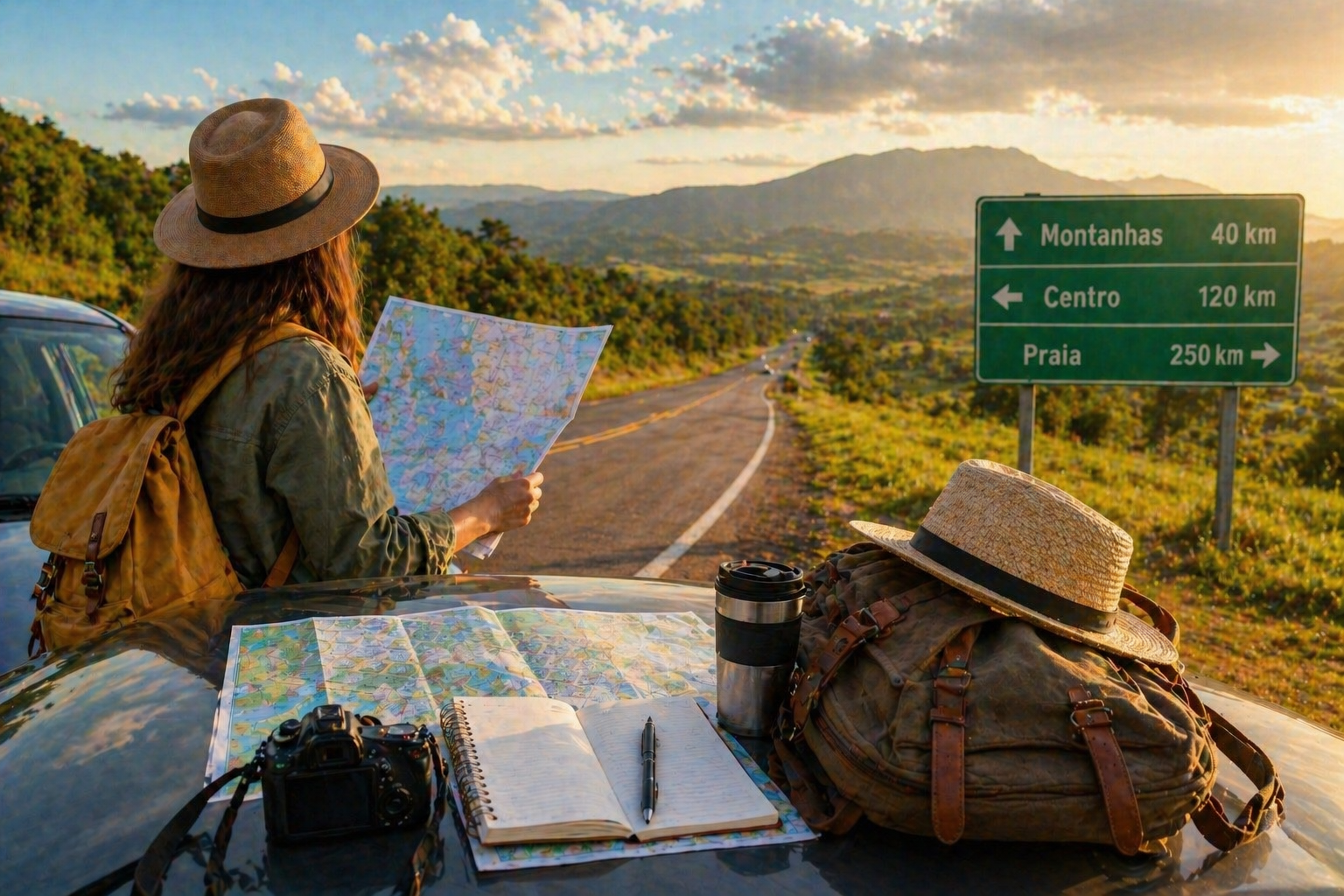
Traveling to another state can be a wonderful way to discover new landscapes, cultures, food, traditions, and ways of life without necessarily leaving your country. Even when the language and currency are the same, each region can have its own climate, rules, habits, costs, and travel style.
Many people underestimate domestic travel because it feels familiar. However, a trip to another state still requires planning. Distances may be long, weather may be different, transportation may be more complex, and local customs may surprise you.
A well-planned interstate trip helps you avoid stress and enjoy the destination with more confidence.
Understand the Distance and Travel Time
Before choosing how to travel, research the real distance between your city and the destination. A place may seem close on a map but require many hours on the road, long connections, or complicated transportation.
If you are driving, check the route, road conditions, tolls, fuel stops, rest areas, and estimated travel time. Remember that online maps do not always account for traffic, weather, construction, or long breaks.
If you are flying, consider the total journey, not only the flight time. Include travel to the airport, check-in, security, boarding, baggage claim, and transportation from the airport to your accommodation.
For bus or train trips, check schedules, seat comfort, luggage rules, and arrival locations.
A good travel plan begins with understanding how much time and energy the journey will require.
Compare Transportation Options
When traveling to another state, you may have several transportation choices: car, bus, train, plane, rental car, or a combination of options.
The best choice depends on budget, comfort, time, luggage, group size, and destination style.
Driving gives flexibility and can be useful if you want to explore smaller towns, beaches, parks, or rural areas. Flying may save time for long distances. Buses and trains can be more affordable and relaxing in some regions.
Do not compare only the ticket price. Consider baggage fees, airport transfers, fuel, tolls, parking, rental costs, and the convenience of schedules.
Sometimes the cheapest option is not the best value. Choose the option that balances cost, comfort, and practicality.
Check the Weather in the Destination
Weather can vary greatly from one state to another. Even within the same country, you may find different temperatures, rain patterns, humidity levels, wind, altitude effects, or seasonal changes.
Before packing, check the forecast and the typical weather for the time of year. A state known for beaches may still have rainy periods. A mountain region may be much colder than your city. A dry area may have strong heat during the day and cool evenings.
Pack according to the destination, not your current weather at home.
Weather research helps you choose clothes, shoes, activities, and the best time for outdoor plans.
Learn About Local Rules and Regulations
Different states may have different rules related to driving, parking, public spaces, alcohol consumption, beach access, park entry, environmental protection, and local taxes.
If you plan to drive, check speed limits, road signs, parking rules, toll systems, and whether any permits are required for certain areas.
If you are visiting natural parks, beaches, protected areas, or historical sites, check visitor rules in advance. Some places limit access, require reservations, or have specific rules to protect the environment.
Understanding local regulations helps you avoid fines, confusion, or disrespectful behavior.
Research Accommodation Areas
Choosing where to stay is especially important when visiting another state for the first time. A city or region may have several neighborhoods, each with a different atmosphere, price range, and level of convenience.
Before booking, research safe and practical areas for visitors. Check distance from attractions, restaurants, public transportation, beaches, parks, or event locations.
Read recent reviews and look for comments about noise, cleanliness, safety, parking, and transportation access.
If you are driving, parking may be important. If you are not driving, staying near transportation or walkable areas may make the trip much easier.
A good location can save time and improve the whole experience.
Estimate the Local Cost of Travel
Prices can change significantly from one state to another. Food, accommodation, transportation, fuel, attractions, parking, and tours may cost more or less than you expect.
Before traveling, research average costs in the destination. This helps you create a realistic budget and avoid surprises.
Consider daily expenses such as meals, snacks, local transportation, entrance tickets, tips, and small purchases. If the state is popular with tourists, prices may rise during holidays or high season.
A realistic budget allows you to enjoy the trip without constant financial stress.
Plan Your Itinerary by Region
Some states are large and full of different regions. Trying to see too much in one trip can become tiring.
Instead of planning based only on famous attractions, look at the map and group places by region. Choose one main area as your base, then add nearby activities.
If you want to visit multiple cities, check travel time between them. A route that looks simple may involve long drives or limited transportation.
For shorter trips, it is often better to explore one region well than to rush through several distant places.
A regional itinerary makes the trip more realistic and enjoyable.
Consider Local Culture and Food
One of the best parts of traveling to another state is discovering regional culture. Food, music, expressions, traditions, architecture, crafts, and daily habits may be different from what you know.
Research typical dishes, local markets, cultural events, traditional neighborhoods, and historical influences. This can make your trip richer and more meaningful.
Be open to trying local food and learning about the region’s identity. Even simple experiences, such as visiting a bakery, market, or small restaurant, can help you feel connected to the place.
Respect local habits and avoid comparing everything negatively to your home state. Travel is more enjoyable when you approach differences with curiosity.
Prepare Your Documents
Even for domestic travel, documents matter. Check what identification is required for flights, bus trips, hotel check-in, car rental, or certain attractions.
If you are traveling with children, verify whether any additional authorization or documentation is needed, especially if one parent is not present.
Keep digital copies of important documents and reservations. Save accommodation addresses, tickets, insurance details if applicable, and emergency contacts.
Domestic travel may feel simple, but being organized prevents unnecessary problems.
Check Health and Safety Needs
Before traveling, research basic health and safety information for the destination. Check whether there are specific climate concerns, such as extreme heat, cold, altitude, insects, or intense sun exposure.
Pack personal medicine, sunscreen, insect repellent, comfortable shoes, and any health items you normally use.
Also research safe areas, transportation safety, and emergency services. If you are visiting remote places, know where the nearest pharmacy, clinic, or hospital is located.
Safety preparation does not mean traveling with fear. It means being responsible and informed.
Think About Connectivity and Navigation
When traveling to another state, you may pass through areas with weak internet or limited mobile signal, especially on roads, mountains, beaches, rural routes, or nature parks.
Download offline maps before leaving. Save hotel addresses, routes, tickets, and important contacts on your phone.
If you are driving, check whether your route includes toll roads, remote areas, or long stretches without services.
Good navigation preparation can prevent confusion and help you feel more secure.
Pack According to Activities
Your packing list should match what you plan to do. A trip to a beach state requires different items from a trip to a mountain region, a historic city, or a nature park.
For beach trips, pack swimwear, sunscreen, light clothes, sandals, and a hat. For nature trips, bring comfortable shoes, layers, water bottle, and suitable clothing. For city trips, prioritize walking shoes, practical outfits, and a secure day bag.
Avoid packing based only on the length of the trip. Pack based on climate, transportation, and activities.
Smart packing makes the trip lighter and more comfortable.
Check Holiday and Event Dates
State holidays, school vacations, festivals, sports events, concerts, and local celebrations can affect prices, traffic, crowds, and accommodation availability.
Before choosing dates, research what will be happening during your trip. A local event can be a wonderful experience, but it can also make hotels more expensive and attractions more crowded.
If you want a calmer trip, avoid peak periods. If you want to experience a festival or cultural event, book early and plan carefully.
Knowing the local calendar helps you make better decisions.
Prepare for Road Conditions if Driving
If your interstate trip involves driving, road preparation is essential. Check the vehicle, fuel, tires, documents, insurance, and emergency items before leaving.
Plan rest stops and avoid driving too long without breaks. Long road trips can be tiring, and fatigue affects safety.
Check weather conditions, especially if the route includes mountains, rain-prone areas, or remote roads.
Also research parking rules at your destination. In some cities or tourist areas, parking can be limited or expensive.
A safe road trip depends on preparation and patience.
Leave Room for Flexibility
Even with good planning, domestic trips can bring surprises. Traffic, weather, closed attractions, full restaurants, or tiredness may affect your schedule.
Build flexibility into your itinerary. Choose your main priorities, but keep optional activities as backups.
If something changes, adapt calmly. A delayed arrival may simply mean a slower first evening. Rain may lead to a museum, café, or local market. A crowded attraction may be replaced by a quieter neighborhood walk.
Flexibility makes the trip easier to enjoy.
Travel With Curiosity
Traveling to another state is an opportunity to see your own country with fresh eyes. You may discover accents, foods, landscapes, traditions, and stories that are different from your daily life.
Approach the destination with curiosity and respect. Talk to local people when appropriate, try regional food, learn a little about local history, and pay attention to details.
Interstate travel can be simple, affordable, and deeply rewarding when planned well.
A Better Interstate Travel Experience
Before traveling to another state, consider distance, transportation, weather, local rules, accommodation, budget, documents, safety, activities, and regional culture.
Even though you are staying within the same country, the trip still deserves thoughtful preparation.
When you plan with care, you reduce stress and create more space to enjoy the destination. A trip to another state can be much more than a change of scenery. It can be a chance to discover new experiences, understand different regions, and create meaningful travel memories.