
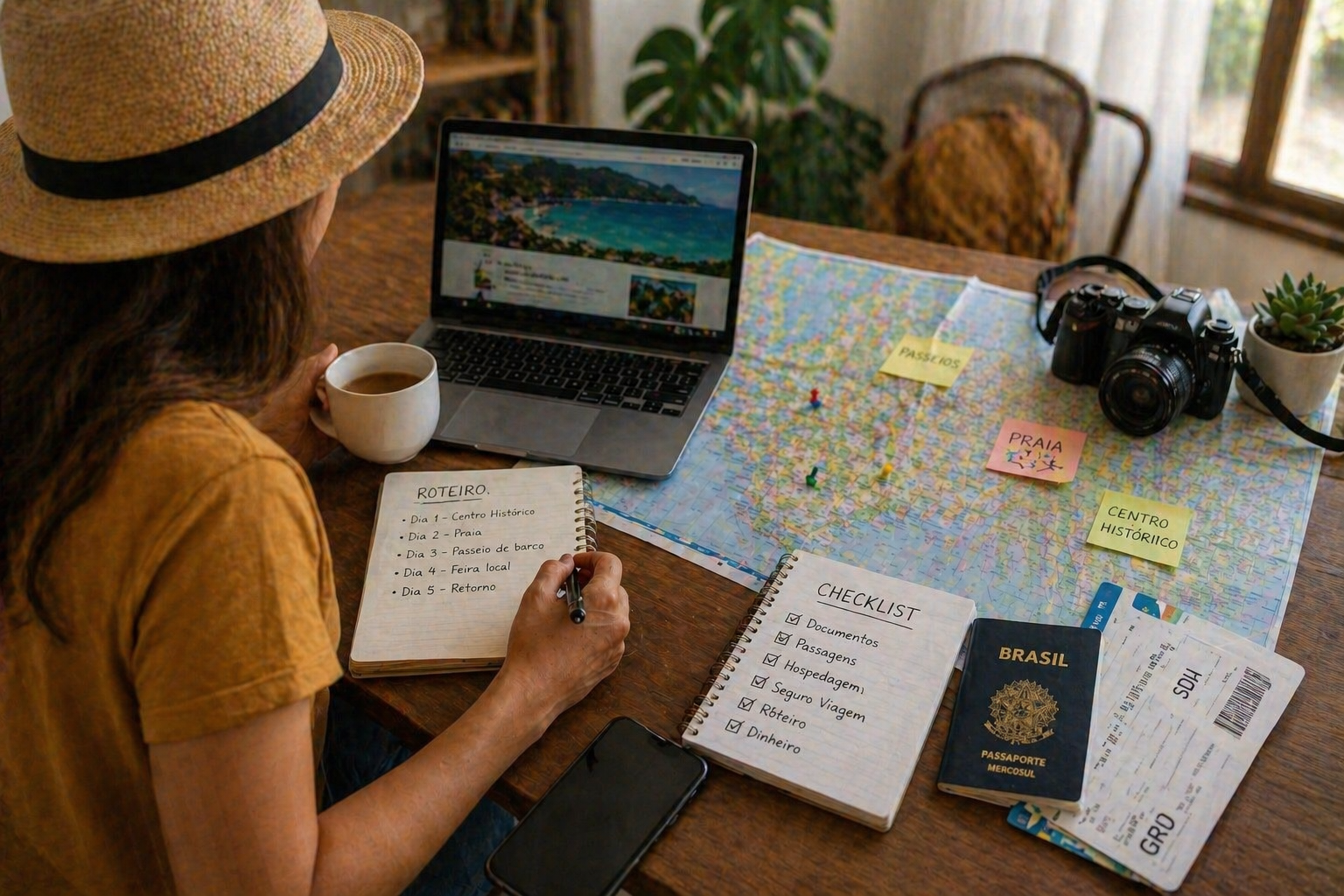
Organizing a domestic trip can seem simple because you are traveling within your own country. You may already know the language, currency, general rules, and cultural habits. However, domestic travel still requires planning if you want the experience to be calm, comfortable, and enjoyable.
A trip inside your country can involve long distances, different climates, regional customs, transportation challenges, and unexpected costs. Even familiar places can become stressful when documents are missing, accommodation is poorly located, or the itinerary is too rushed.
A peaceful domestic trip starts with simple organization. When the main details are clear before departure, you can focus more on enjoying the destination and less on solving problems.
Choose a Destination That Fits Your Time
The first step is choosing a destination that matches the number of days you have available. A domestic destination may be in the same country, but that does not always mean it is close or easy to reach.
If you only have a weekend, look for places with simple transportation and shorter travel time. Nearby cities, beaches, countryside towns, or mountain regions can be excellent choices.
For longer vacations, you can consider destinations that require flights, long drives, or more complex routes. You may also include more than one city or region, as long as the itinerary remains realistic.
Think about total travel time, not only distance. A place that takes many hours to reach may be better for a longer trip than a short escape.
Define the Purpose of the Trip
Before booking anything, think about what you want from the trip. Do you want to rest, explore, visit family, enjoy nature, discover local food, attend an event, or spend time with someone special?
The purpose of the trip should guide your decisions. A relaxing trip needs a slower itinerary and comfortable accommodation. A cultural trip may need a central location and easy access to museums, historic areas, and restaurants. A nature trip may require suitable clothing, transportation, and weather planning.
When the purpose is clear, it becomes easier to decide where to stay, what to pack, how much to spend, and how busy the schedule should be.
A domestic trip feels better when it is planned around your real expectations.
Create a Realistic Budget
Even domestic trips can become expensive if you do not plan the budget. Transportation, accommodation, food, tours, fuel, tolls, parking, entrance tickets, and small purchases can add up quickly.
Start by defining the total amount you can spend. Then divide it into categories:
Transportation
Accommodation
Food
Local transportation
Activities
Shopping
Emergency reserve
If you are driving, include fuel, tolls, parking, and possible vehicle checks. If you are flying, check baggage fees and airport transfers. If you are taking a bus or train, include station transportation and snacks.
A realistic budget prevents surprises and helps you enjoy the trip with more confidence.
Choose Transportation Carefully
Domestic travel often offers several transportation options. You may travel by car, bus, train, plane, ferry, or a combination of these.
The best option depends on distance, comfort, cost, time, luggage, and the type of destination. Driving gives flexibility, especially for small towns and nature destinations. Flying can save time for long distances. Buses and trains can be affordable and relaxing when routes are convenient.
Do not compare only the ticket price. Consider the full journey, including transfers, baggage, waiting time, parking, tolls, and arrival location.
A peaceful trip depends on transportation that fits your needs and energy level.
Book Accommodation in a Practical Area
Accommodation location can affect your entire trip. A cheaper place far from everything may create daily stress, especially if transportation is limited.
Before booking, check the map. See how far the accommodation is from the places you want to visit, restaurants, markets, public transportation, or main roads.
Read recent reviews. Pay attention to cleanliness, safety, noise, parking, service, and location. If you are traveling with family, look for comments from other families. If you are traveling alone, look for reviews from solo travelers.
For domestic trips, local inns, guesthouses, apartments, and small hotels can offer excellent value. The best choice is not always the most famous one, but the one that fits your itinerary and comfort needs.
Check Documents Before Leaving
Domestic travel usually requires fewer documents than international travel, but you still need to be prepared.
Check which identification document is required for flights, buses, trains, hotels, car rentals, or event entry. Make sure the document is valid, readable, and accepted.
If you are traveling with children, verify whether additional documents or authorizations are needed, especially when one parent is not present.
Keep digital copies of important documents and reservations. Save tickets, accommodation confirmations, insurance details if applicable, and emergency contacts on your phone.
Document organization gives peace of mind even on simple trips.
Research the Destination’s Climate
Weather can vary a lot from one region to another. Do not pack based only on the climate where you live.
Check the forecast and the typical weather for the destination. Consider temperature, rain, humidity, wind, altitude, and seasonal conditions.
If you are going to the beach, pack sunscreen, light clothes, sandals, and swimwear. If you are going to the mountains, bring layers, comfortable shoes, and warmer clothing. For cities, choose practical outfits and walking shoes.
Good weather preparation helps you avoid discomfort and unnecessary purchases.
Build a Flexible Itinerary
A domestic trip becomes more enjoyable when the itinerary is organized but not overloaded. Choose the main attractions or experiences you want, then leave time for rest and spontaneous discoveries.
Group activities by location to avoid wasting time moving back and forth. If you are visiting a city, plan one area per day. If you are exploring a region by car, check distances carefully.
Avoid scheduling too many activities on arrival and departure days. These days often involve transportation, check-in, unpacking, or fatigue.
A flexible itinerary lets you enjoy the destination without feeling trapped by a strict schedule.
Plan Meals Lightly
Food is an important part of domestic travel, especially because regional cuisine can be one of the best parts of the experience.
Before traveling, research typical dishes, local restaurants, markets, bakeries, and casual food options. Save a few places near your accommodation and main activities.
You do not need to plan every meal, but having options prevents stress when you are hungry or tired.
If you are traveling with children, dietary restrictions, or a limited budget, meal planning becomes even more useful. Accommodation with breakfast or kitchen access can make the trip easier.
Trying local food is a simple way to connect with the destination.
Prepare for Road Trips Carefully
If your domestic trip involves driving, prepare the vehicle and route before departure.
Check fuel, tires, oil, lights, documents, insurance, and basic emergency items. Plan rest stops, especially for long drives. Avoid driving tired, and share the driving if possible.
Research tolls, road conditions, parking, traffic patterns, and whether certain roads are difficult at night or during bad weather.
Download offline maps in case the mobile signal is weak. This is especially important for rural areas, mountains, beaches, and nature destinations.
A safe road trip depends on preparation, patience, and realistic timing.
Pack According to the Destination
Packing for a domestic trip should be simple but intentional. Consider the climate, activities, trip length, accommodation, and transportation.
Avoid overpacking just because you are not leaving the country. Heavy luggage still creates inconvenience, whether you are driving, flying, or taking public transportation.
Bring versatile clothes, comfortable shoes, toiletries, chargers, documents, medicine, and any specific items for planned activities.
For nature trips, include insect repellent, sunscreen, water bottle, and suitable footwear. For city trips, bring comfortable walking shoes and a secure day bag. For beach trips, bring swimwear, hat, sunglasses, and light clothes.
Smart packing makes the trip lighter and more comfortable.
Save Important Information Offline
Even within your own country, internet access may fail. Some roads, rural areas, mountains, beaches, or small towns may have weak signal.
Before leaving, save accommodation addresses, maps, tickets, reservations, emergency contacts, and transportation details offline.
Take screenshots of important confirmations. Keep your phone charged and bring a portable charger if you will spend long days outside.
Offline organization helps you stay calm when technology does not work perfectly.
Respect Regional Differences
Domestic travel is a chance to experience the diversity of your own country. Different states or regions may have different accents, foods, traditions, schedules, customs, and ways of receiving visitors.
Be open and respectful. Avoid comparing everything negatively to your city or region. Instead, observe, ask politely, and enjoy the differences.
Local culture can make a domestic trip feel fresh and memorable.
Regional travel reminds you that you do not always need to go far to experience something new.
Keep Safety in Mind
Even familiar destinations require basic safety habits. Research the safest areas to stay, how transportation works, and whether there are places to avoid at night.
Keep your belongings secure in crowded areas, markets, public transportation, and tourist attractions. Do not leave valuables visible in cars.
If you are visiting natural areas, follow local rules, stay on marked paths, check weather conditions, and respect safety signs.
Safety is not about fear. It is about awareness and responsible choices.
Leave Room for Rest
Domestic trips are sometimes treated as quick escapes, and travelers try to use every moment. But rest is part of a good trip.
Include pauses in your itinerary. Enjoy a slow breakfast, a quiet afternoon, a scenic stop, or time at the accommodation. If the trip is short, avoid making it so busy that you return home exhausted.
A peaceful trip is not only about seeing places. It is also about feeling renewed.
Enjoy Your Own Country With Fresh Eyes
Organizing a domestic trip with more peace of mind means treating it with the same care you would give to any important journey. Choose a destination that fits your time, define your purpose, create a realistic budget, book practical accommodation, check documents, research the weather, and plan transportation carefully.
Domestic travel can be simple, affordable, and deeply rewarding when done with intention.
You may discover new landscapes, regional flavors, cultural details, and experiences that remind you how much there is to explore close to home.
A well-organized domestic trip gives you the freedom to enjoy the journey calmly, confidently, and with more attention to the moments that matter.