
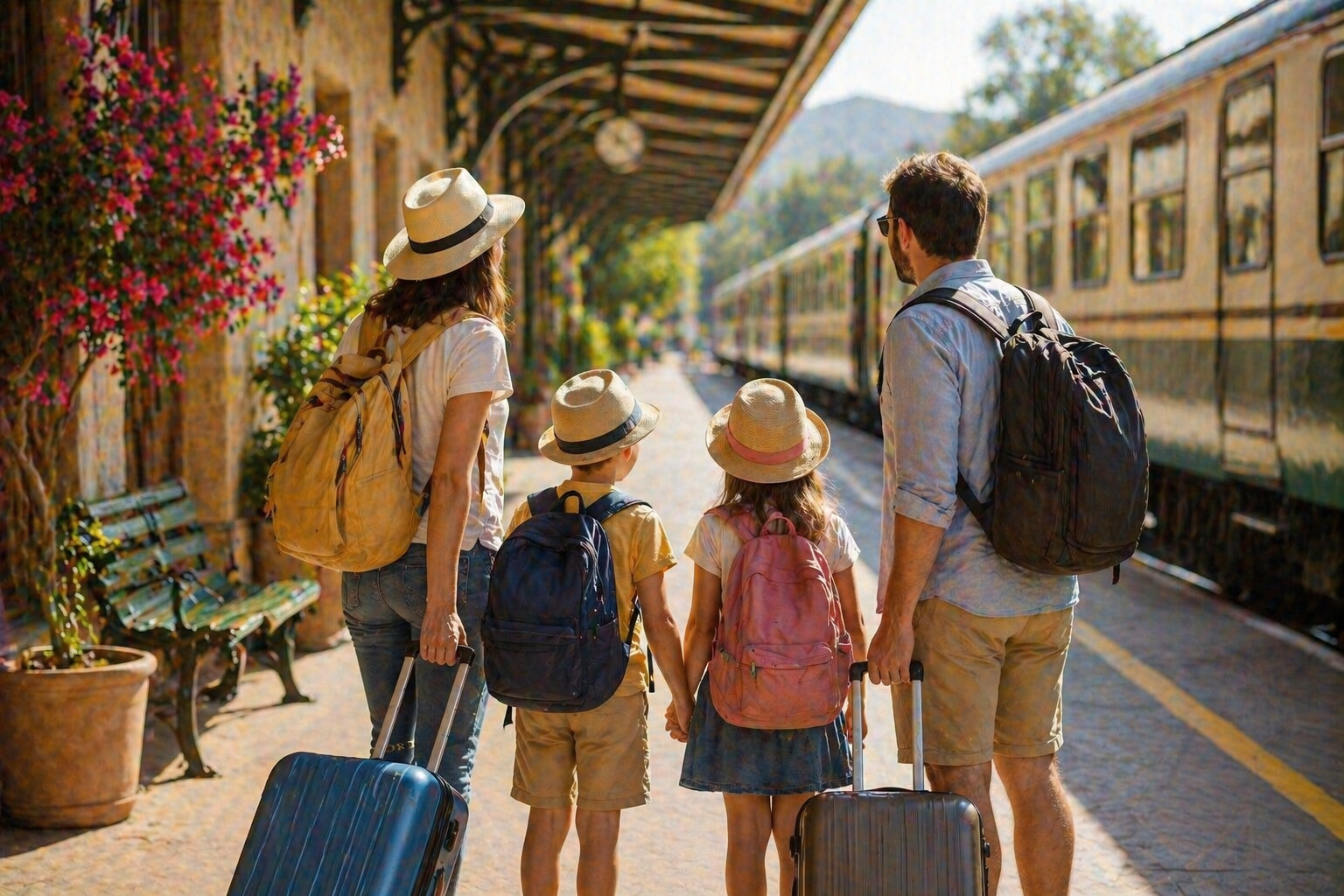
Planning a trip with children can be a beautiful experience, but it also requires extra care. Children bring energy, curiosity, joy, and spontaneity to travel. At the same time, they need rest, food, comfort, safety, and a slower rhythm than many adults imagine.
A successful trip with children is not about doing everything perfectly. It is about creating a plan that respects the needs of the family and leaves room for flexibility. When the trip is organized with children in mind, everyone has a better chance of enjoying the experience.
Traveling with kids can create memories that last for years. The secret is to plan realistically, simplify what you can, and accept that some things may not go exactly as expected.
Choose a Child-Friendly Destination
The destination is one of the most important choices when traveling with children. A place may be beautiful, but it also needs to be practical for the family.
Look for destinations with good infrastructure, safe areas, easy transportation, family-friendly attractions, and food options that work for different ages. Parks, beaches, interactive museums, nature areas, calm towns, and cities with organized public transportation can be great choices.
If this is your first trip with children, consider starting with a destination that is not too far away or too complicated to reach. Long flights, multiple transfers, or remote places may be tiring, especially with very young children.
A child-friendly destination does not need to be designed only for kids. It simply needs to offer comfort, safety, and activities that can be enjoyed by the whole family.
Plan Around the Children’s Routine
Children usually travel better when their basic routine is respected. Sleep, meals, snacks, and rest times matter a lot.
Before creating the itinerary, think about your child’s usual rhythm. Do they need a nap? Do they get tired in the afternoon? Are mornings easier? Do they become impatient when meals are delayed?
You do not need to follow the home routine exactly, but keeping some familiar structure can help prevent stress.
For example, if your child usually sleeps after lunch, avoid planning a long walking tour at that time. If they wake up early, use mornings for the main activities and leave afternoons more relaxed.
A trip with children works better when the itinerary follows their energy, not only adult expectations.
Keep the Itinerary Simple
One of the biggest mistakes when traveling with children is planning too many activities. A busy itinerary can quickly lead to tiredness, impatience, and frustration.
Choose one main activity per day and add smaller options if the family still has energy. Leave time for meals, bathroom breaks, transportation, rest, and unexpected pauses.
Children often enjoy simple moments as much as famous attractions. A playground, a beach, a park, a hotel pool, a boat ride, or even feeding birds in a square may become their favorite memory.
Do not measure the success of the trip by how many places you visit. A slower trip can be much more enjoyable for the whole family.
Choose Accommodation Carefully
Accommodation can make family travel much easier or much harder. When traveling with children, look for comfort, location, space, and practical facilities.
Family rooms, apartments, connecting rooms, or places with kitchen access can be very helpful. A small kitchen allows you to prepare snacks, warm food, or organize simple meals when needed.
Breakfast included can make mornings easier. Laundry access is also useful, especially for longer trips or travel with babies and toddlers.
Location matters too. Staying near restaurants, markets, public transportation, parks, or attractions can reduce daily stress. A cheaper place far away may become inconvenient when children are tired.
Read reviews from other families. They often mention details that are important for parents, such as noise, safety, elevators, room size, and child-friendly service.
Pack Smart, Not Excessively
Packing for children can feel overwhelming because they seem to need many things. The goal is to bring essentials without carrying too much.
Create a checklist with clothes, pajamas, comfortable shoes, hygiene items, medicine, documents, snacks, chargers, entertainment, and weather-related items.
For younger children, include diapers, wipes, bottles, pacifiers, favorite blankets, small toys, or comfort objects if needed. For older children, include books, headphones, small games, or activities for travel days.
Pack extra clothes in your personal bag, especially for flights, long car rides, or bus trips. Accidents, spills, and weather changes can happen.
Avoid packing too many “just in case” items unless they are truly important or hard to find at the destination. A lighter bag makes the trip easier for everyone.
Prepare Snacks and Water
Snacks can save a travel day. Hungry children often become impatient quickly, especially during transportation, lines, delays, or long walks.
Bring simple snacks that are easy to carry and not too messy. Fruit, crackers, sandwiches, cereal bars, nuts for older children, or other familiar options can help.
Also carry water when appropriate. Staying hydrated is important, especially in hot weather or during busy sightseeing days.
Do not rely completely on finding food at the right moment. Restaurants may be closed, lines may be long, or the available food may not suit your child.
A small snack plan can prevent many stressful situations.
Plan Transportation With Extra Time
Transportation takes longer with children. Getting ready, walking, using the bathroom, entering vehicles, storing luggage, and waiting all require patience.
Plan extra time for airports, bus stations, train stations, and road trips. Avoid tight connections whenever possible.
If you are flying, check baggage rules, stroller policies, seat selection, and boarding procedures. If you are driving, plan stops for rest, snacks, bathroom breaks, and stretching.
At the destination, choose transportation that matches your family’s needs. Public transportation may be easy in some places, while taxis or transfers may be more comfortable in others.
The best transportation option is not always the cheapest. With children, convenience and safety often matter more.
Keep Important Items Easy to Reach
During travel days, keep essential items in a bag you can access quickly. This bag may include documents, snacks, water, wipes, medicine, extra clothes, chargers, small toys, and comfort items.
If your child uses a favorite object to sleep or calm down, keep it close. Do not pack it in checked luggage or at the bottom of a suitcase.
Important medicine should also stay with you, not in a bag that may be delayed or difficult to reach.
An organized personal bag can make flights, car rides, waiting times, and unexpected delays much easier.
Choose Activities Children Can Enjoy
When planning activities, include experiences that children can genuinely enjoy. This does not mean the trip must revolve entirely around them, but the itinerary should include moments that match their interests and energy.
Parks, beaches, aquariums, zoos, interactive museums, boat rides, nature walks, playgrounds, scenic trains, and open spaces are often good choices.
Also consider your child’s personality. Some children love museums, while others need more movement. Some enjoy animals, while others prefer water, music, games, or outdoor adventures.
Mix adult interests with child-friendly activities. A family trip works best when everyone feels included.
Build in Rest Time
Rest is essential when traveling with children. Without breaks, even fun activities can become too much.
Plan quiet moments during the day. This may include returning to the accommodation, resting in a park, having a long lunch, spending time at the pool, or simply slowing down.
If your child still naps, try to respect that need. If they no longer nap, they may still need calm periods away from crowds and noise.
Rest time also helps adults. Family travel can be tiring, and breaks keep everyone more patient.
A relaxed pace often creates a better trip than a full schedule.
Prepare for Weather Changes
Children can become uncomfortable quickly when they are too hot, too cold, wet, or tired. Check the weather before packing and again during the trip.
Bring suitable clothes, hats, sunscreen, rain protection, jackets, or comfortable layers depending on the destination.
If you plan outdoor activities, prepare indoor alternatives for rainy or very hot days. Museums, cafés, indoor play areas, shopping centers, libraries, or cultural centers can be useful backup options.
Weather flexibility helps prevent disappointment and keeps the family comfortable.
Talk to Children About the Trip
Children often enjoy travel more when they understand what is happening. Before the trip, explain where you are going, how you will get there, where you will sleep, and what activities you may do.
For younger children, keep explanations simple. For older children, show pictures, maps, or videos of the destination.
You can also involve them in small decisions, such as choosing one activity, selecting a snack, or packing a small backpack.
When children feel included, they may become more excited and cooperative.
Keep Safety Rules Simple
Safety is very important when traveling with children. Before visiting crowded places, explain simple rules calmly.
Children should know to stay close, hold hands when needed, and what to do if they get separated. Older children can memorize the accommodation name or a parent’s phone number. Younger children can carry a card with emergency contact information.
Choose meeting points in busy places when appropriate. Take a photo of your child each morning during the trip, especially in crowded destinations, so you know exactly what they are wearing.
These precautions are simple, but they can bring peace of mind.
Be Flexible When Plans Change
Trips with children rarely go exactly as planned. Someone may feel tired, hungry, overstimulated, or uninterested in an activity. Weather may change. Transportation may take longer than expected.
Flexibility is essential. Be willing to skip an attraction, return to the hotel, change meal plans, or spend more time in a place the children enjoy.
This does not mean the trip failed. It means the plan is adapting to real life.
Sometimes the most memorable family moments happen when you let go of the original schedule.
Focus on Memories, Not Perfection
A trip with children may include messy moments. There may be spills, delays, complaints, tiredness, forgotten items, or unexpected changes. This is normal.
Instead of trying to create a perfect trip, focus on creating meaningful memories. Children may not remember every attraction, but they may remember how they felt, the fun moments, the laughter, the new food, the hotel room, the beach, or the time spent together.
Traveling with children is not always easy, but it can be deeply rewarding.
A Better Family Travel Experience
Planning a trip with children requires patience, organization, and realistic expectations. Choose a suitable destination, respect routines, keep the itinerary simple, book practical accommodation, pack smart, prepare snacks, and include rest time.
The best family trips are not the busiest ones. They are the ones where everyone feels considered, comfortable, and free to enjoy the experience.
With thoughtful planning and flexibility, traveling with children can become one of the most special ways to explore the world together.