
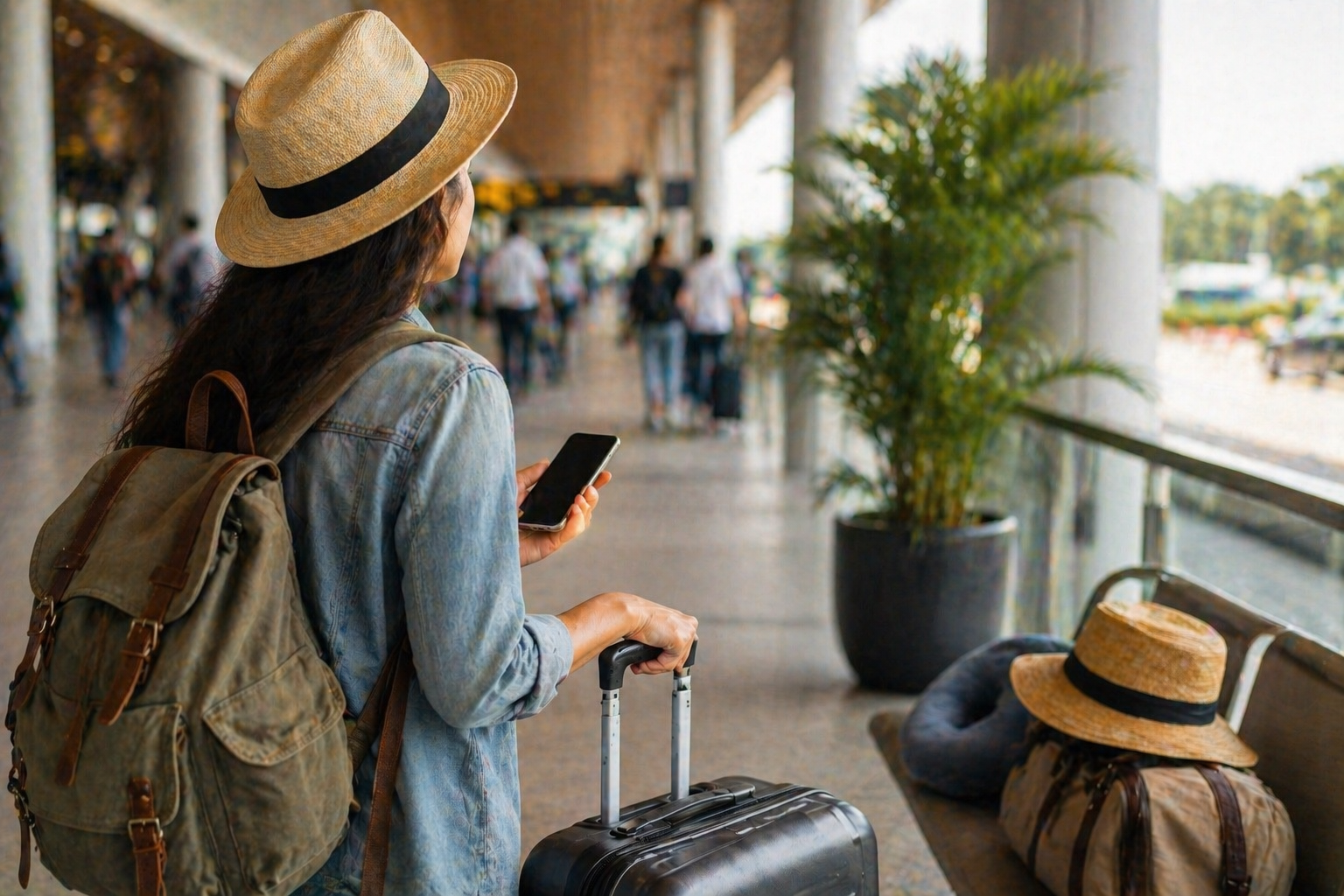
Traveling is one of the best ways to discover new places, change your routine, and create meaningful memories. But even the most beautiful destination can become stressful if you feel uncomfortable, tired, disorganized, or unsafe.
Comfort and safety are not details to think about only when something goes wrong. They should be part of your travel planning from the beginning. A comfortable and safe trip allows you to enjoy the destination with more confidence, make better decisions, and avoid unnecessary problems.
The good news is that you do not need luxury or complicated preparation to travel better. Small choices can make a big difference.
Choose a Destination That Matches Your Comfort Level
Every traveler has a different level of experience and confidence. Some people enjoy busy cities, unfamiliar languages, and adventurous routes. Others prefer calm places, good infrastructure, and easy transportation.
Before choosing a destination, think honestly about what makes you feel comfortable. If you are a beginner traveler, a destination with clear tourist information, reliable transport, and many accommodation options may be a better choice.
If you are traveling with children, older relatives, or people with specific needs, consider accessibility, healthcare access, climate, and transportation.
Choosing a destination that matches your comfort level does not mean avoiding new experiences. It means giving yourself the right conditions to enjoy them.
Research the Area Before Booking Accommodation
Where you stay can strongly affect your comfort and safety. A beautiful hotel in an inconvenient or poorly located area may create problems during the trip.
Before booking, research the neighborhood. Check whether it is close to public transportation, restaurants, markets, and the attractions you want to visit. Read recent reviews and look for comments about safety, noise, cleanliness, and accessibility.
Use maps to understand distances. A hotel may say it is “near the center,” but that can mean different things depending on the city.
A well-located accommodation can reduce transportation stress, help you return safely at night, and make your daily plans easier.
Keep Your Documents Organized
Documents are essential for a safe and smooth trip. Keep your identification, passport, tickets, accommodation confirmations, travel insurance details, and important reservations in one secure place.
Make digital copies and store them in your email or cloud storage. It is also useful to keep offline copies on your phone.
For international trips, check passport validity, visa requirements, entry rules, and travel insurance recommendations before leaving home.
During the trip, avoid carrying unnecessary documents every day. If your accommodation has a secure place, keep originals there when appropriate and carry only what you need.
Good document organization helps you act quickly if something unexpected happens.
Pack With Comfort in Mind
Packing well is one of the simplest ways to travel more comfortably. Bring clothes that fit the climate, activities, and local culture. Choose comfortable shoes, especially if you plan to walk a lot.
Avoid packing too much. Heavy luggage makes transportation harder, increases physical discomfort, and can create extra costs. Focus on versatile clothes that can be combined easily.
Also pack items that improve comfort during travel days, such as a light jacket, reusable water bottle, charger, medicine, snacks, headphones, and basic hygiene products.
A smart suitcase supports your trip instead of becoming a burden.
Keep Essentials in Your Personal Bag
Your personal bag should contain items you may need quickly. This is especially important during flights, bus rides, train journeys, road trips, and long transfers.
Keep your documents, wallet, phone, charger, medicine, keys, valuables, and important confirmations close to you. If you are checking luggage, include a change of clothes and basic toiletries in your carry-on.
This simple habit protects you if your checked bag is delayed or difficult to access.
Your personal bag should be light, organized, and secure. You should be able to find important items without opening your entire suitcase.
Plan Transportation Carefully
Transportation can affect both comfort and safety. Before arriving at your destination, research how you will move from the airport, bus station, or train station to your accommodation.
Check whether public transportation is practical, whether ride apps are available, whether taxis are reliable, or whether a transfer is worth booking.
At night, after long travel days, or when carrying luggage, paying for a safer and more direct option may be worth it. During the day, public transportation or walking may be convenient and affordable.
Also check routes before leaving your accommodation. Knowing where you are going reduces confusion and helps you avoid unsafe or uncomfortable situations.
Pay Attention to Your Belongings
Crowded places require extra attention. Airports, markets, public transportation, festivals, tourist attractions, and busy streets can increase the risk of losing items or being targeted by pickpockets.
Keep bags closed and close to your body. Avoid placing phones, wallets, or cameras on tables, chairs, or open pockets. Do not leave luggage unattended.
Carry only what you need for the day. If possible, keep backup money or a second card in a separate place.
Being careful does not mean being afraid. It means staying aware of your surroundings and protecting your belongings with simple habits.
Choose Comfortable Clothing for Travel Days
Travel days can involve waiting, walking, sitting for long periods, temperature changes, and carrying bags. Comfortable clothing makes a big difference.
Choose breathable clothes that allow movement. Wear shoes that are easy to walk in. Bring a light layer because airplanes, buses, trains, and terminals can feel cold.
Avoid clothing that feels too tight, heavy, or difficult to manage during security checks or long rides.
Comfortable travel clothing helps you arrive at the destination with more energy.
Stay Hydrated and Eat Well
Travel can disrupt your normal routine. You may drink less water, eat at unusual times, or rely on quick snacks. This can affect your energy and mood.
Carry water when possible and drink regularly, especially during hot weather, long flights, hikes, or busy sightseeing days.
Plan meals lightly. Save a few restaurants or markets near the areas you will visit. Bring snacks for long transfers or attractions with limited food options.
Eating well does not mean spending a lot. It means giving your body enough energy to enjoy the trip.
Respect Your Energy Limits
Trying to do too much can make a trip uncomfortable and even unsafe. Exhaustion affects your patience, attention, and decision-making.
Build rest into your itinerary. Take breaks before you are completely tired. Avoid scheduling too many demanding activities on the same day.
If you are traveling with others, respect different energy levels. Children, older adults, and first-time travelers may need a slower pace.
A safe trip is not only about avoiding danger. It is also about avoiding unnecessary physical and mental overload.
Use Technology Wisely
Your phone can help you travel with more comfort and safety. Use maps, translation apps, transportation apps, weather forecasts, banking apps, and reservation folders.
Download offline maps and important documents before leaving. Keep your phone charged and consider carrying a portable charger.
However, avoid walking while distracted by your phone in unfamiliar or crowded areas. Stop in a safe place if you need to check directions.
Technology is useful, but awareness is still important.
Share Your Plans With Someone You Trust
Sharing your general itinerary with a trusted person can add an extra layer of safety. This is especially important if you are traveling alone or visiting several destinations.
You do not need to report every movement. Simply share accommodation details, transportation dates, and emergency contact information.
If plans change significantly, update someone close to you.
Knowing that someone has your basic travel information can bring peace of mind to both you and your family.
Learn Basic Local Information
Before traveling, learn a few practical details about the destination. Know the local emergency number, common transportation options, areas recommended for tourists, and basic customs.
If the language is different, learn simple phrases or save translations for important needs.
Also understand local rules about clothing, tipping, public behavior, photography, and visiting cultural or religious sites.
Respecting local customs improves your experience and helps you avoid uncomfortable situations.
Trust Your Instincts
Sometimes a situation simply feels wrong. A street may seem too empty at night, a person may be too insistent, or a transportation option may feel unreliable.
Trust your instincts. You do not need to justify every decision. If something feels uncomfortable, move away, choose another route, enter a public place, or ask for help.
Comfort and safety are personal. Listening to your own sense of caution is part of responsible travel.
Travel With Confidence and Care
Traveling with more comfort and safety is about making thoughtful choices before and during the trip. Choose suitable accommodation, organize documents, pack wisely, plan transportation, protect your belongings, respect your energy, and stay aware of your surroundings.
You do not need to travel with fear. You need to travel prepared.
When comfort and safety are part of your planning, you can focus more on enjoying the destination, discovering new experiences, and creating memories with greater peace of mind.