
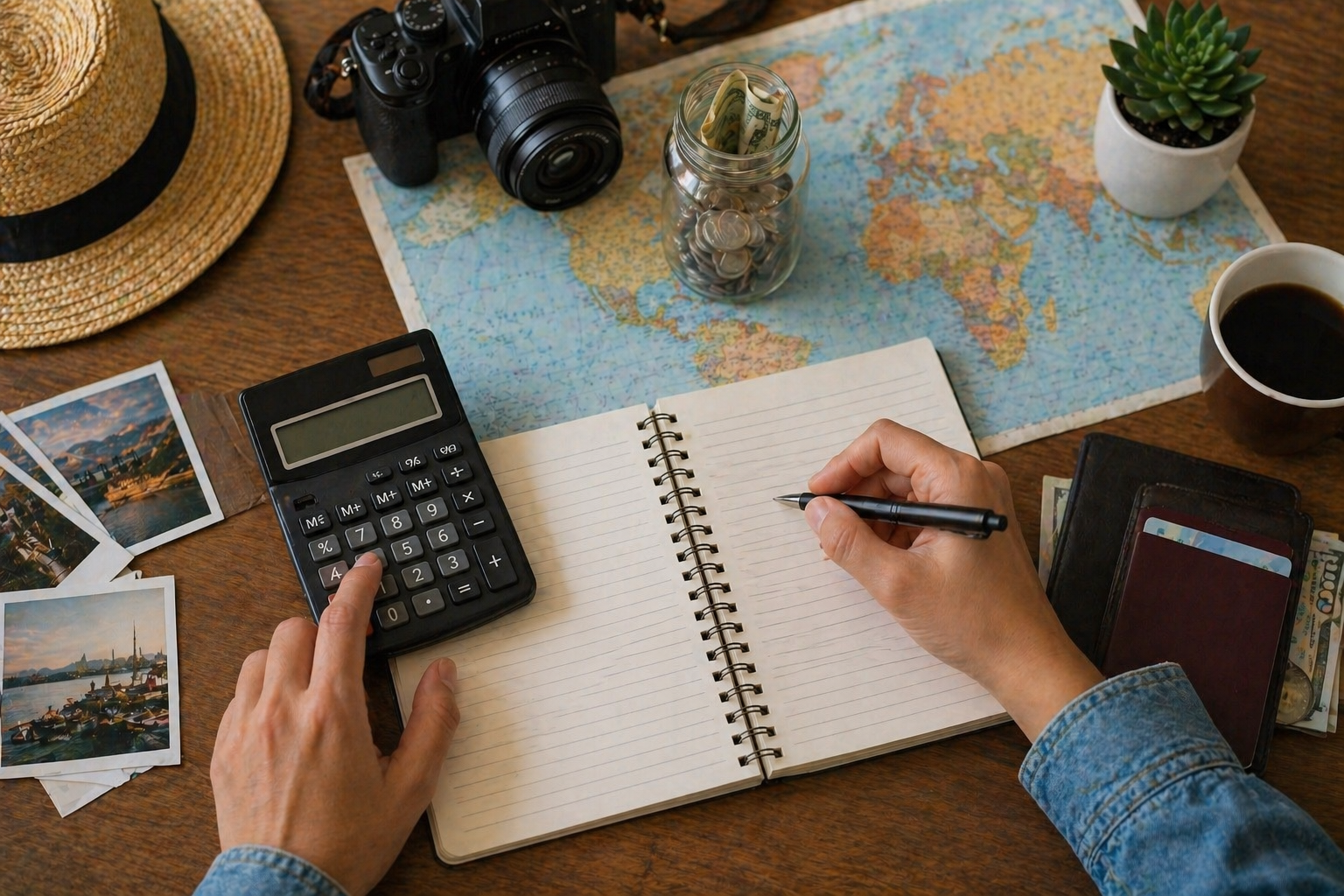
Creating a realistic travel budget is one of the most important steps in planning a good trip. A budget helps you understand what is possible, avoid unnecessary stress, and make better choices before and during your journey.
Many travelers think a budget is only about limiting expenses. In reality, a good travel budget gives you freedom. When you know how much you can spend, you can decide where to save, where to invest more, and how to enjoy the destination without worrying about every purchase.
A realistic budget does not need to be complicated. It simply needs to include the real costs of the trip, not only the obvious ones.
Start With the Total Amount You Can Spend
Before researching hotels, flights, restaurants, or tours, define how much money you can comfortably spend on the entire trip.
This amount should not put pressure on your essential expenses, bills, savings, or financial responsibilities. A trip is much more enjoyable when you know it fits your current reality.
Be honest with yourself. It is better to plan a simpler trip within your budget than to choose an expensive destination and feel stressed the whole time.
Once you know your total limit, you can divide the budget into categories. This makes the planning clearer and helps you see where your money will go.
Divide the Budget Into Main Categories
A travel budget becomes easier when you separate expenses by category. This prevents you from focusing only on transportation and accommodation while forgetting daily costs.
The main categories usually include:
Transportation to the destination
Accommodation
Food and drinks
Local transportation
Tours and attractions
Travel insurance
Documents and fees
Shopping and souvenirs
Internet and communication
Emergency reserve
Depending on the type of trip, you may also include parking, car rental, fuel, luggage fees, pet care, laundry, equipment rental, or special activities.
The more complete your list is, the fewer surprises you will have later.
Research Transportation Costs
Transportation is often one of the largest travel expenses. This includes flights, buses, trains, ferries, car rental, fuel, tolls, or any other way of reaching your destination.
When comparing transportation prices, do not look only at the ticket cost. Check baggage fees, seat selection fees, airport transfers, parking, taxes, and schedule convenience.
A cheaper flight may arrive late at night, requiring an expensive taxi or an extra hotel night. A low-cost ticket may become more expensive once luggage is added.
For road trips, calculate fuel, tolls, parking, vehicle maintenance, and possible overnight stops.
A realistic transportation budget includes the complete cost of moving from your home to the destination and back.
Estimate Accommodation Expenses
Accommodation can greatly affect your budget and comfort. Start by researching average prices for the type of stay you want.
Compare hotels, inns, apartments, guesthouses, hostels, or vacation rentals. Look at location, reviews, cancellation policy, included breakfast, kitchen access, taxes, and extra fees.
A cheaper place far from the main areas may not save money if you spend more on transportation. A slightly more expensive but well-located accommodation may be a better value.
Also check whether the price shown includes all taxes and service charges. Some platforms show extra fees only at the final booking stage.
When budgeting accommodation, multiply the nightly rate by the number of nights and include any additional charges.
Plan Food Costs Realistically
Food expenses can vary a lot depending on your travel style. Some travelers enjoy restaurants every day, while others prefer simple meals, markets, cafés, or accommodation with a kitchen.
Research average meal prices at the destination. Try to estimate breakfast, lunch, dinner, snacks, water, coffee, and occasional treats.
If your accommodation includes breakfast, you may save money in the morning. If you have kitchen access, you can prepare simple meals and reduce costs.
A balanced food budget may include a mix of casual meals and a few special dining experiences. This allows you to enjoy local food without overspending.
Do not underestimate small food expenses. Drinks, snacks, desserts, and airport meals can add up quickly.
Include Local Transportation
Many travelers remember the cost of reaching the destination but forget the cost of moving around once they arrive.
Local transportation may include public transit, taxis, ride apps, bike rentals, car rental, fuel, parking, ferries, transfers, or walking tours that require transportation.
Research how the destination works. Is public transportation reliable? Are attractions close together? Will you need a car? Are taxis expensive? Are there daily or weekly transportation passes?
If you plan to visit several areas, local transportation can become a significant expense.
Including it in your budget helps you avoid surprise spending during the trip.
Calculate Tours and Attractions
Tours and attractions can be one of the most enjoyable parts of a trip, but they also need planning.
List the places and experiences you really want to include. Check entrance fees, guided tour prices, museum tickets, park fees, boat rides, shows, classes, and day trips.
Some attractions are free. Others may require advance booking or timed entry. Popular experiences may cost more during high season.
Do not feel pressured to pay for activities every day. Parks, beaches, markets, viewpoints, historic neighborhoods, and local walks can create wonderful memories at low or no cost.
A good attraction budget balances paid experiences with free or affordable activities.
Do Not Forget Travel Insurance
Travel insurance is sometimes ignored in budget planning, but it can be very important, especially for international trips or longer journeys.
The cost of insurance depends on your destination, trip length, age, coverage type, and activities. Even when it is not mandatory, it may provide useful support for medical emergencies, cancellations, luggage issues, or travel disruptions, depending on the policy.
Before buying, compare coverage details and not only the price. A very cheap plan may not include what you need.
Add travel insurance to your budget early so it does not feel like an unexpected cost later.
Include Documents, Visas, and Fees
Some trips require documents or administrative costs. These may include passport renewal, visa applications, entry authorizations, vaccination certificates, international driving permits, or local tourism taxes.
These expenses can be easy to forget because they happen before the trip begins. However, they are still part of the total travel cost.
If you are traveling internationally, research requirements early. Some documents take time and money to prepare.
Including these costs in your budget gives you a more accurate view of the trip.
Plan for Shopping and Souvenirs
Shopping may not be the main purpose of your trip, but it is common to buy something while traveling. This may include souvenirs, gifts, local products, clothes, crafts, books, or small personal items.
Set a limit for shopping before the trip. This helps you enjoy purchases without losing control of your budget.
If you are traveling with family, consider gifts or small extras for children. If you are visiting a destination known for markets or local crafts, decide how much you are comfortable spending.
A shopping budget prevents impulse purchases from affecting more important expenses.
Create an Emergency Reserve
Every realistic travel budget should include an emergency reserve. This is money set aside for unexpected situations.
You may need medicine, a taxi, a replacement charger, a changed ticket, extra accommodation, luggage fees, or another unplanned expense.
The emergency reserve does not need to be huge, but it should be enough to give you peace of mind.
If you do not use it, that is a good thing. You can save it for another trip or return it to your regular budget.
Travel feels safer when you have some financial flexibility.
Think About Currency and Payment Fees
For international travel, currency exchange and payment fees can affect your budget. Research the local currency, exchange rates, ATM fees, card fees, and whether cash or cards are more commonly used.
Avoid assuming your card will work everywhere. Some destinations rely heavily on cash, while others are mostly card-friendly.
If you exchange money, compare rates and avoid unnecessary last-minute exchanges at expensive locations when possible.
Also check whether your bank charges foreign transaction fees. These small percentages can add up during a longer trip.
Understanding payment costs helps make your budget more accurate.
Track Prices Before Booking
A realistic budget improves when you compare prices over time. Before booking, check different dates, neighborhoods, transportation options, and accommodation types.
Prices can change depending on season, day of the week, demand, and availability. If your dates are flexible, compare several possibilities.
Do not wait forever looking for the perfect price, but avoid booking without understanding the normal price range.
Tracking prices helps you recognize good value and avoid overpaying.
Decide Where to Save and Where to Spend More
A good budget is not about choosing the cheapest option every time. It is about spending according to your priorities.
You may decide to save on accommodation and spend more on food. Or choose a simple food budget and invest in a special tour. You may prefer a direct flight because it saves time and energy, even if it costs more.
Think about what matters most to you. Comfort, location, food, activities, convenience, and safety all have value.
Saving in areas that matter less allows you to spend more on experiences that make the trip special.
Review the Budget Before Traveling
Before the trip, review your budget one more time. Confirm actual prices for transportation, accommodation, insurance, tours, and any booked services.
Update your estimates based on what you already paid and what still needs to be paid during the trip.
It is useful to separate prepaid expenses from future expenses. This helps you understand how much money you still need to carry or keep available.
A final review prevents confusion and gives you a clearer picture of your travel finances.
Monitor Spending During the Trip
You do not need to record every small purchase if that feels stressful, but checking your spending regularly is helpful.
At the end of each day, look at how much you spent and compare it with your daily estimate. If one day costs more, you can adjust another day.
This habit is especially useful for longer trips, where overspending early can create problems later.
Budget monitoring should support your trip, not control every moment. The goal is awareness.
Travel Better With Financial Clarity
Creating a realistic travel budget helps you plan with confidence. It shows what is possible, where your money will go, and how to enjoy the destination without unnecessary stress.
Start with your total spending limit, divide expenses into categories, research real prices, include daily costs, prepare an emergency reserve, and decide your priorities.
A good budget does not make travel less enjoyable. It makes travel more peaceful.
When your finances are organized, you can focus more on the experiences, landscapes, people, and memories that make the journey worthwhile.