
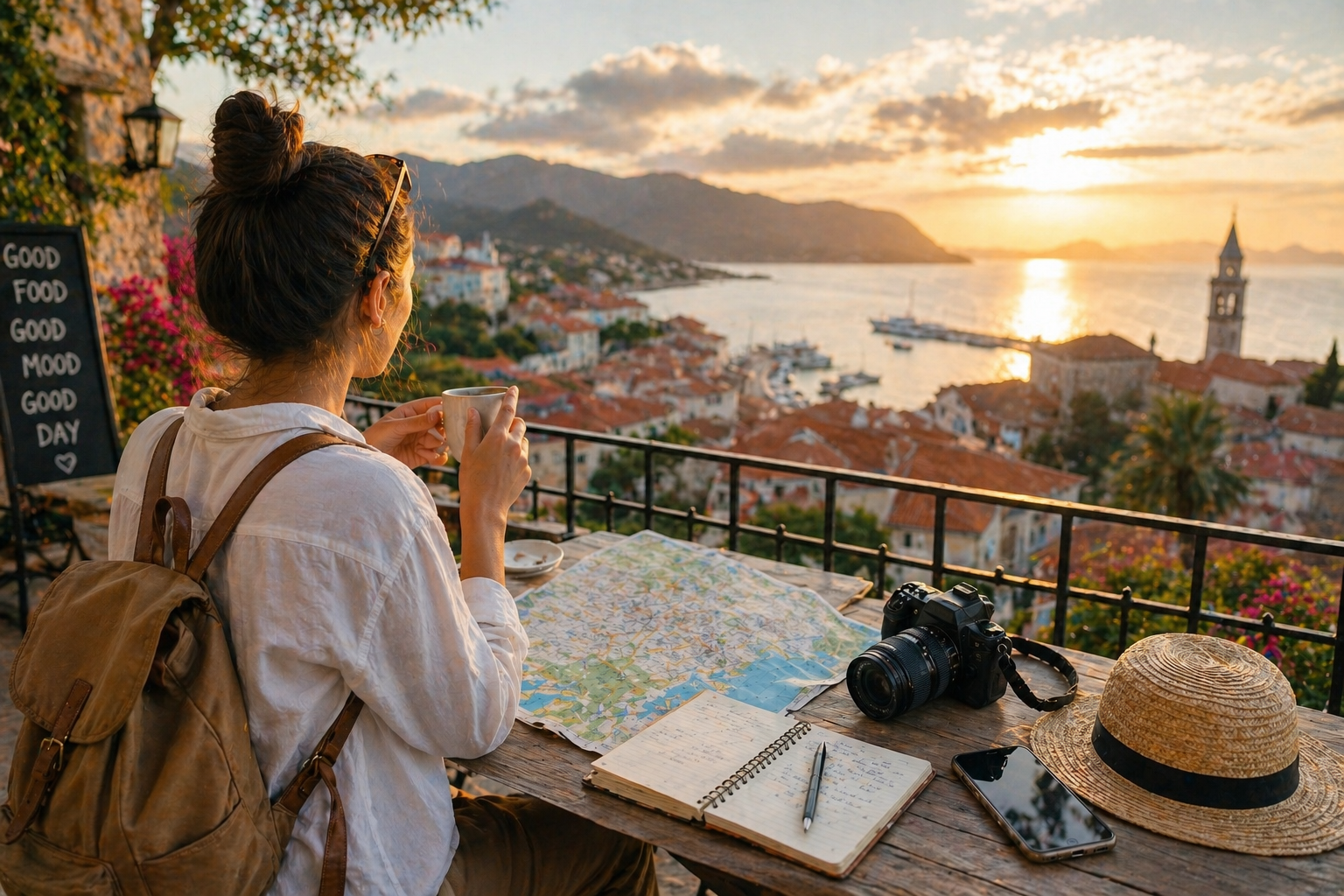
Every travel day is valuable. Whether your trip lasts two days or two weeks, each day gives you a chance to discover something new, enjoy a different rhythm, and create memories that stay with you after you return home.
However, making the most of each day does not mean filling your schedule from morning to night. A great travel day is not measured only by how many attractions you visit. It is measured by how well the day fits your energy, interests, and expectations.
Some travelers enjoy active days with museums, walking tours, restaurants, and viewpoints. Others prefer slower experiences, such as a peaceful breakfast, a scenic walk, a beach afternoon, or time exploring local streets without a strict plan.
The secret is balance. With simple organization, realistic planning, and a flexible mindset, you can enjoy each day of your trip more fully.
Start the Day With a Clear Idea
A good travel day begins with knowing the main purpose of that day. You do not need a rigid schedule, but it helps to have a clear idea of what matters most.
Before leaving your accommodation, decide your main priority. It may be visiting a famous attraction, exploring a neighborhood, taking a day trip, resting by the beach, enjoying local food, or simply walking without pressure.
When you know the focus of the day, it becomes easier to make decisions. You avoid wasting time wondering what to do next or moving randomly between places.
A simple plan can be enough. For example, you might decide: “Today we will explore the historic center and have dinner nearby.” This gives direction without removing freedom.
Travel days feel smoother when they have a purpose.
Avoid Trying to Do Everything
One of the most common travel mistakes is trying to fit too much into one day. It is natural to want to see everything, especially when visiting a destination for the first time. But an overloaded schedule can make the trip tiring and stressful.
Instead of rushing from one attraction to another, choose a few experiences and enjoy them properly.
A good day might include one major attraction, one relaxed meal, one walk through an interesting area, and some free time. This may sound simple, but it often creates a more enjoyable experience than visiting many places without really paying attention to any of them.
When you try to do everything, you may remember the exhaustion more than the destination. When you choose carefully, each experience has more meaning.
Quality is better than quantity.
Plan Around Your Energy
Your energy changes throughout the trip. The first day may feel exciting, but you may also be tired from transportation. After several days of walking, you may need more rest. Some travelers feel best in the morning, while others enjoy exploring later in the day.
Plan your activities according to your natural rhythm.
If you have more energy early, visit popular attractions in the morning and leave slower activities for the afternoon. If you prefer relaxed mornings, avoid scheduling important tours too early.
Also think about the intensity of each day. Do not place several physically demanding activities back to back unless you are sure you can handle them comfortably.
A trip is more enjoyable when you respect your body. Rest is not a waste of travel time. It helps you enjoy the next experience more.
Use Location to Your Advantage
Organizing your day by location can save time and make the experience feel easier. Instead of crossing the city several times, group nearby attractions, restaurants, shops, and viewpoints together.
Before going out, check a map. See what is close to your main activity. You may discover a café, park, museum, market, or scenic street nearby.
This method helps you move naturally through the destination. It also reduces transportation costs and avoids unnecessary fatigue.
For example, if you plan to visit a museum in the morning, look for lunch options nearby and other attractions in the same area. If you are going to a beach, check whether there is a sunset viewpoint, local restaurant, or walking path close to it.
A smart route makes each day more efficient without feeling rushed.
Leave Room for Unexpected Discoveries
Some of the best travel memories happen when you are not following the plan exactly. You may find a charming street, a local bakery, a quiet garden, a small shop, or a beautiful view that was not on your itinerary.
If your schedule is too tight, you may miss these moments.
Leave space for curiosity. Walk slowly sometimes. Take a different street when it feels safe. Stop for a coffee. Enter a local market. Sit in a square and observe everyday life.
Unexpected discoveries help you connect with the destination beyond famous attractions.
A well-planned day should still have room for surprise.
Wake Up Early When It Matters
Waking up early can be very useful during a trip, but it should be done with intention. You do not need to wake up early every day if that makes you tired. However, some experiences are better in the morning.
Popular attractions may be calmer early in the day. Beaches, viewpoints, markets, and historic streets can feel more peaceful before crowds arrive. Morning light is also beautiful for photos.
If there is a place you really want to enjoy without rushing, consider visiting it early.
On the other hand, if your trip is focused on rest, a slow morning may be exactly what you need. The point is not to follow a rule, but to choose consciously.
Use early mornings when they improve the experience.
Take Breaks Before You Are Exhausted
Many travelers only stop when they are already too tired. By then, the day may become less enjoyable. Taking short breaks before exhaustion appears helps maintain your energy.
A break can be simple: sitting in a park, drinking water, having coffee, returning to the hotel for an hour, or enjoying a slow lunch.
Breaks are especially important in hot weather, crowded places, long walking days, and trips with children or older adults.
When you rest regularly, you avoid irritability, headaches, and fatigue. You also give yourself time to absorb what you have seen.
A good travel day includes movement and pause.
Eat Well Without Losing Too Much Time
Food is part of the travel experience, but meal planning can affect your day. If you wait until you are very hungry to look for a restaurant, you may choose an expensive or disappointing place just because it is nearby.
Before going out, save a few meal options in the area you will visit. Include different types of places: casual restaurants, cafés, markets, bakeries, and one or two special options if you want a memorable meal.
You do not need to plan every meal exactly, but having options prevents stress.
Also carry small snacks if you will be walking a lot or visiting places with limited food choices. This is especially useful for long tours, nature activities, or family trips.
Eating well keeps your energy stable and your mood better.
Use Your Phone Wisely
Your phone can help you make the most of each travel day. Maps, reservation confirmations, translation apps, transportation apps, weather forecasts, and camera features are all useful.
But your phone can also distract you from the experience. Constantly checking messages, comparing places, or trying to capture every second may keep you from truly enjoying where you are.
Use technology as a tool, not as the center of the trip.
Save maps offline, keep important documents accessible, check routes, and take photos. Then put the phone away sometimes and simply observe.
Travel feels richer when you are present.
Be Flexible With the Weather
Weather can change your plans, but it does not have to ruin the day. A good traveler adapts.
If rain affects an outdoor plan, look for museums, covered markets, cafés, galleries, shopping streets, cooking classes, or cultural centers. If the day is very hot, prioritize morning and late afternoon activities, leaving the hottest hours for rest or indoor places.
If the weather is perfect, consider adjusting your plan to enjoy outdoor experiences.
Checking the forecast each morning helps you make better decisions. But avoid becoming too dependent on it. Weather predictions are useful, not perfect.
Flexibility helps you enjoy the day you actually have.
Capture Memories Without Forcing Them
Photos and videos are wonderful ways to remember a trip. However, trying to document everything can take away from the moment.
Take pictures, but also give yourself time to enjoy places without looking through a screen. Notice sounds, smells, colors, conversations, and small details.
Some memories are not meant to be photographed. A peaceful breakfast, a kind interaction, a beautiful breeze, or a quiet walk may stay in your mind more strongly than a perfect image.
If you enjoy photography, plan moments for it. But do not let the search for photos control the entire day.
The best travel memories are lived first and captured second.
Say Yes to Local Experiences
To make the most of a travel day, include experiences that help you understand the destination. This can be as simple as eating local food, visiting a neighborhood market, using public transportation, attending a cultural event, or talking respectfully with local people.
Famous attractions show one side of a place. Local experiences show another.
Try something typical, learn a few words in the local language, observe daily life, and respect customs. These small actions make the trip feel more authentic.
You do not need complicated or expensive experiences. Often, the most meaningful moments are simple.
Know When to Change the Plan
Sometimes the best way to enjoy a day is to let go of the original plan. Maybe you are too tired. Maybe the place is too crowded. Maybe you found something better. Maybe the weather changed.
Changing plans does not mean the day failed. It means you are paying attention to the reality of the moment.
If an activity no longer feels worth it, adjust. If you love a place, stay longer. If you need rest, rest.
A good itinerary supports your trip, but it should not control you.
Travel becomes more enjoyable when you allow the day to breathe.
End the Day Calmly
How you end the day matters. A calm evening helps you rest, reflect, and prepare for the next day.
Before sleeping, check the next day’s main plan, transportation details, weather, tickets, and opening hours. This does not need to take long. A few minutes of organization can prevent morning stress.
You can also use the evening to write a few notes, organize photos, charge devices, pack your bag, or choose clothes for the next day.
Ending the day calmly helps you wake up feeling more prepared.
Make Every Day Count in Your Own Way
Making the most of every day of your trip does not mean doing the maximum possible. It means enjoying each day with intention.
Start with a clear idea, avoid overplanning, respect your energy, organize activities by location, leave room for surprises, take breaks, eat well, and stay flexible.
Some days will be full of discoveries. Others will be slower and quieter. Both can be valuable.
A great trip is not built only from famous attractions. It is built from attention, presence, good choices, and meaningful moments.
When you travel this way, every day has the chance to become special.