
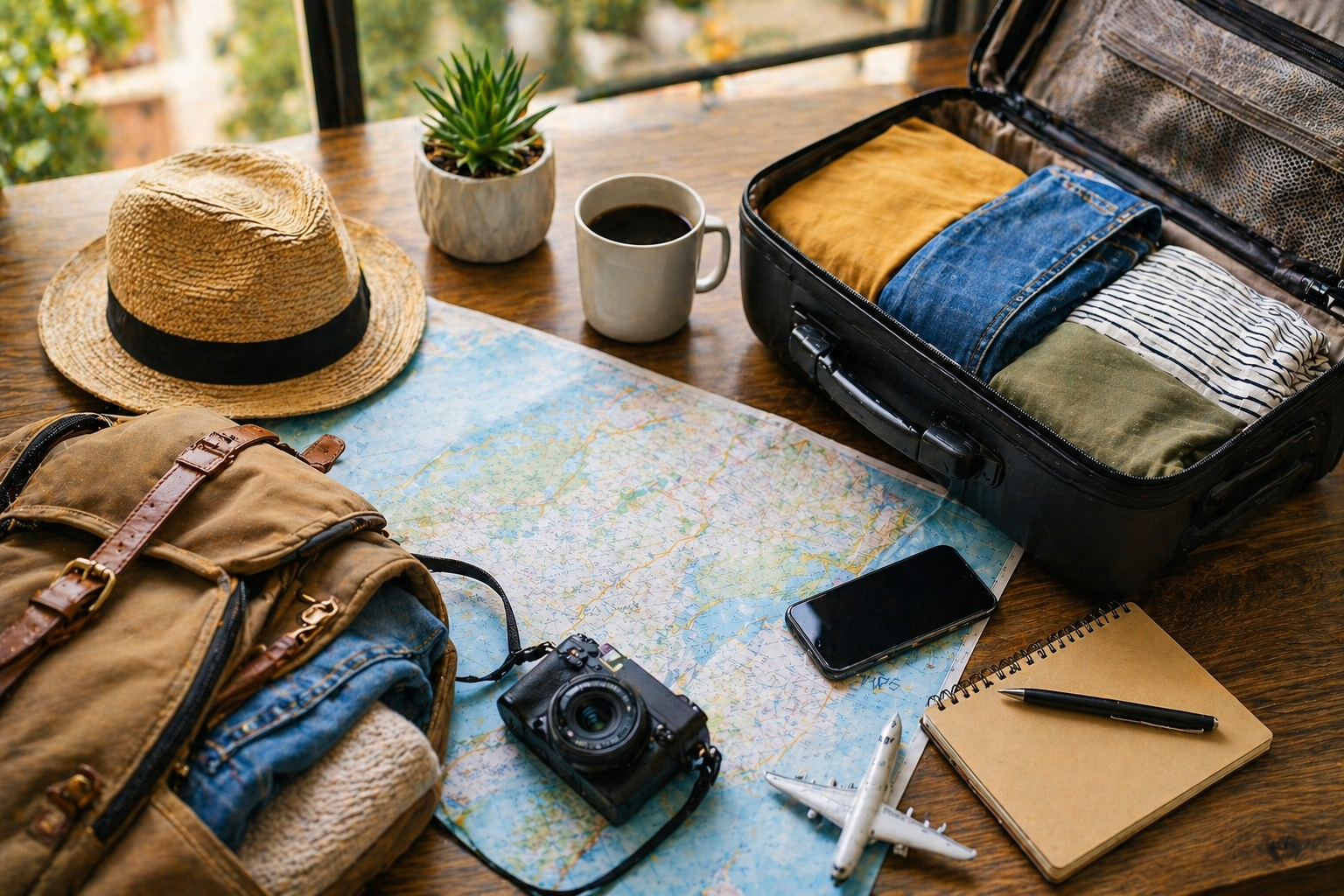
Not every trip can be long. Sometimes you only have a weekend, a holiday, a few days off work, or a small break between responsibilities. Even so, a short trip can be refreshing, meaningful, and memorable when it is planned with intention.
Traveling with limited time does not mean rushing through as many attractions as possible. In fact, trying to do too much is one of the fastest ways to make a short trip feel stressful. The secret is to choose wisely, organize the basics, and focus on experiences that truly matter to you.
A well-planned short trip can feel just as satisfying as a longer vacation. What matters most is not the number of days, but how you use them.
Choose a Destination That Fits Your Time
When time is limited, destination choice becomes especially important. A place may be beautiful, but if getting there takes too long, you may spend more time in transit than actually enjoying the trip.
For a short getaway, consider destinations that are easy to reach. This may include nearby cities, beach towns, countryside retreats, national parks, historical centers, or places with direct flights.
Think about total travel time, not just distance. A destination that is geographically close may still be difficult to reach if transportation is complicated. Another place farther away may be easier if there is a direct route.
Try to choose a destination where you can arrive, settle in, and start enjoying the experience without too much effort.
The right destination for a short trip is one that feels accessible, practical, and worth the time you have.
Keep the Itinerary Simple
A limited schedule requires a simple itinerary. Instead of listing every attraction in the destination, choose a few experiences that match your main goal.
If you want to rest, prioritize comfort, slow meals, scenic places, and quiet moments. If you want culture, choose one or two museums, historic neighborhoods, or guided walks. If you want nature, focus on one park, trail, beach, or viewpoint.
A short trip does not need to include everything. It needs to include the right things.
Plan one main activity per day and leave space around it. This helps you avoid feeling rushed and gives you time to enjoy unexpected discoveries.
A simple itinerary often creates a better travel experience than a crowded one.
Stay in a Convenient Location
Accommodation location can make or break a short trip. When you only have a few days, you do not want to spend too much time commuting.
Choose a place near the areas you plan to explore. Staying close to restaurants, public transportation, attractions, or scenic spots can save hours and reduce stress.
A cheaper hotel far away may not be a good deal if it takes too much time to reach everything. On short trips, convenience often matters more than saving a small amount.
Read reviews carefully and check the map before booking. Look for comments about walkability, transportation, noise, cleanliness, and nearby services.
A well-located accommodation allows you to make better use of limited time.
Travel Light
Packing light is especially helpful for short trips. A small bag or carry-on can save time at airports, bus stations, hotels, and transportation points.
Avoid packing items you are unlikely to use. Choose versatile clothes, comfortable shoes, essential toiletries, chargers, documents, and any medicine you need.
If you are traveling for only two or three days, you probably do not need many outfit options. Focus on comfort and practicality.
Traveling light also gives you more flexibility. You can move around more easily, use public transportation, avoid baggage delays, and check in faster.
A smaller bag often means a smoother trip.
Plan Transportation Before You Arrive
With limited time, transportation should not be improvised too much. Before leaving, understand how you will get from the airport, station, or road arrival point to your accommodation.
Research whether public transportation is practical, whether ride apps work in the area, whether taxis are reliable, or whether a transfer is worth booking.
Also check how you will move around during the trip. If attractions are close, walking may be best. If the destination is spread out, public transportation, bikes, rental cars, or organized tours may help.
Knowing your transportation options in advance saves time and reduces confusion when you arrive.
Short trips benefit from smooth movement.
Prioritize Experiences Over Quantity
A common mistake during short trips is trying to see too much. Travelers often feel pressure to “make the most” of limited time, but this can turn the trip into a checklist.
Instead of asking how many places you can visit, ask which experiences will make the trip feel worthwhile.
Maybe the best memory will be a sunset by the water, a relaxed breakfast, a local market, a scenic walk, or one excellent museum visit. These moments may be more meaningful than rushing through several attractions.
Quality matters more than quantity.
When you focus on fewer experiences, you give yourself the chance to actually enjoy them.
Use Maps to Organize Your Route
Maps are very useful for short trips. Before traveling, mark your accommodation, attractions, restaurants, transportation points, and possible backup places.
Look for areas where several interesting places are close together. Then organize your days around those zones.
This prevents wasting time crossing the destination unnecessarily. For example, you can spend one morning in a historic center, have lunch nearby, visit a museum in the afternoon, and enjoy dinner in the same area.
Grouping activities by location helps the day flow naturally.
A good route can make a short trip feel much longer in the best way.
Book Important Activities in Advance
If there is something you really want to do, do not leave it completely to chance. Popular attractions, guided tours, restaurants, shows, and transportation options may sell out, especially during weekends or holidays.
Booking in advance can save time and guarantee your place. It can also help you avoid long lines.
However, do not overbook every hour. Reserve only the experiences that are truly important or difficult to access. Leave the rest of the schedule flexible.
Advance booking is most useful when it protects your priorities without making the trip rigid.
Choose Flights or Routes Carefully
When traveling with limited time, the cheapest route is not always the best route. A lower price may come with long layovers, inconvenient hours, distant airports, or tiring schedules.
Consider the value of your time. A direct flight, better departure time, or closer arrival point may be worth paying more for if it gives you more usable hours at the destination.
For road trips, consider traffic patterns. Leaving at the wrong time may turn a short drive into a long and frustrating journey.
The goal is not only to arrive. The goal is to arrive with enough energy to enjoy the trip.
Smart transportation choices help protect your limited vacation time.
Wake Up With Intention
You do not need to wake up extremely early on every trip, especially if your goal is rest. But on short trips, mornings can be valuable.
Starting the day with intention helps you enjoy more without rushing. This may mean waking early to visit a popular attraction before crowds arrive, taking a peaceful walk, or having breakfast near the first activity of the day.
If you prefer slow mornings, plan around that honestly. Do not schedule early tours if you know they will make you tired or irritated.
The important thing is to use the morning in a way that matches your travel style.
A thoughtful start can shape the whole day.
Leave Space for Rest
Even short trips need rest. Some travelers try to use every minute and return home more tired than before they left.
Include moments to pause. This could be a coffee break, time at the hotel, a quiet park, a slow meal, or an evening without plans.
Rest helps you enjoy the next activity more. It also gives you time to absorb the experience instead of moving constantly.
A short trip should refresh you, not exhaust you.
Balance activity with breathing room.
Avoid Complicated Logistics
Limited time is not ideal for overly complex plans. If a trip involves too many transfers, long distances, strict schedules, or multiple hotel changes, it may become stressful.
For short trips, simplicity is powerful. Staying in one accommodation, exploring one city or region, and choosing nearby activities can create a much better experience.
This does not mean avoiding adventure. It means choosing adventure that fits the time available.
A simple trip is often easier to enjoy fully.
Be Flexible if Plans Change
Even a short trip can face delays, weather changes, closed attractions, or unexpected tiredness. Flexibility helps prevent frustration.
Have backup options ready, but do not feel obligated to fill every gap. If rain changes your outdoor plan, visit a café, museum, market, or indoor attraction. If you feel tired, slow down.
Sometimes a change in plans leads to a better experience than the original itinerary.
A flexible mindset helps you enjoy the trip as it actually happens, not only as you imagined it.
Make the Return Easier
The end of a short trip matters too. Try not to make your return unnecessarily stressful.
If possible, avoid returning so late that you feel exhausted the next day. Leave time to unpack, rest, organize photos, and prepare for your routine.
Pack your bag the night before departure if you have an early return. Check transportation times, tickets, and documents.
A smooth return helps preserve the good feeling of the trip.
Enjoy More With Less Time
Traveling with limited time is completely possible when you plan carefully and avoid unnecessary pressure. Choose a destination that is easy to reach, stay in a convenient location, pack light, organize transportation, and focus on the experiences that matter most.
A short trip does not need to feel incomplete. It can be calm, beautiful, fun, and memorable when you respect the time you have.
The key is to travel with intention. Do less, but enjoy more.
When you stop trying to fit everything into a small schedule, you create space for what really matters: meaningful moments, fresh experiences, and the feeling that even a few days away can renew your energy.