
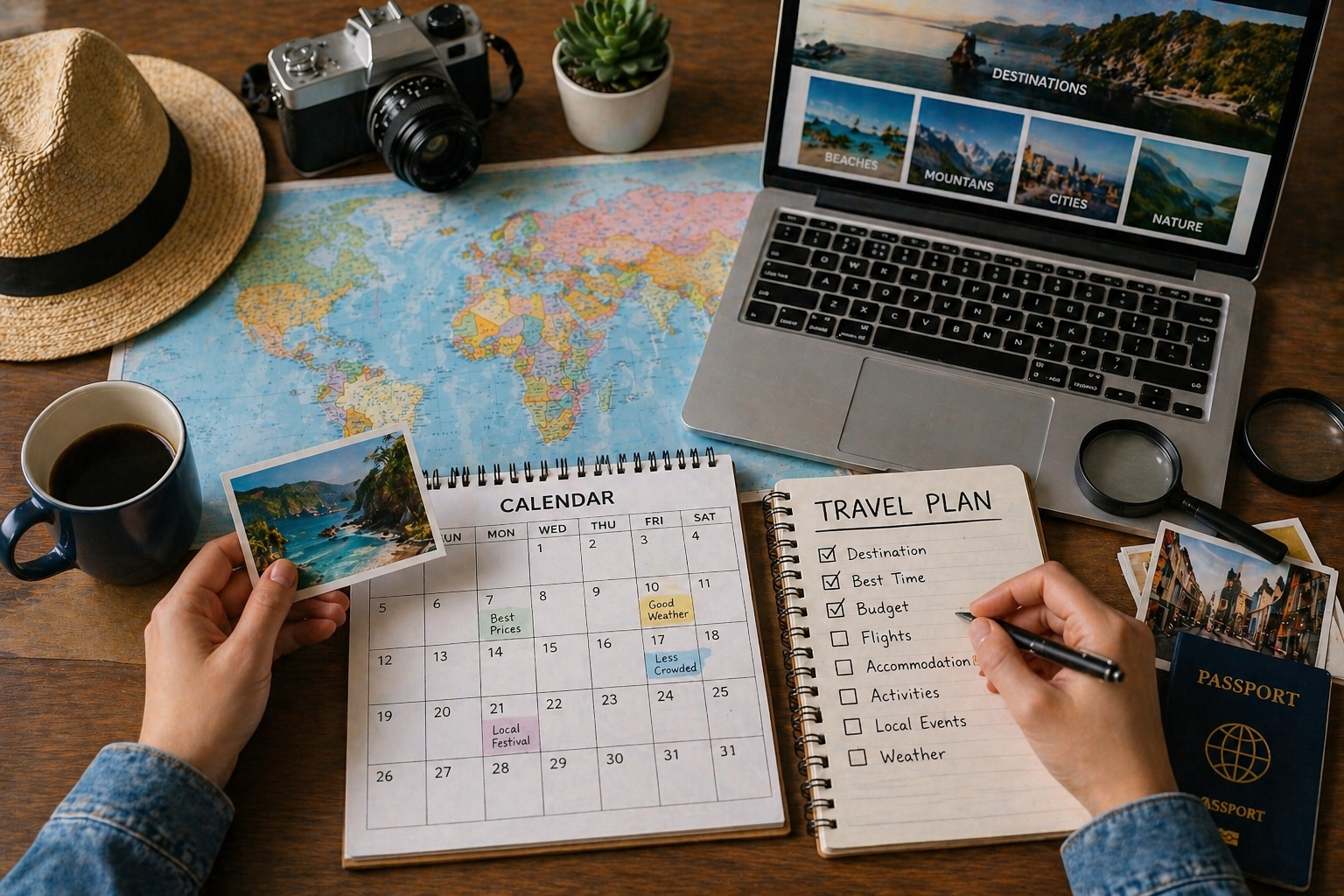
Choosing the best time to travel can completely change your experience. The same destination may feel calm and affordable in one month, crowded and expensive in another, rainy in one season, and sunny in the next. That is why travel dates should never be chosen only by convenience.
The best time to travel is not always the most popular time. It depends on what you want from the trip, how much you can spend, what type of weather you prefer, and how comfortable you are with crowds.
A good travel date helps you enjoy the destination with fewer surprises. It can also save money, improve comfort, and make your itinerary easier to follow.
Understand the Purpose of Your Trip
Before checking calendars, flights, or hotel prices, think about the purpose of your trip. Your reason for traveling should guide the best period to go.
If your goal is to relax on the beach, sunny weather may be more important than low prices. If you want to visit museums and restaurants, the weather may matter less. If you want nature, hiking, festivals, or cultural events, the ideal time may depend on local seasons.
A romantic trip, a family vacation, a solo adventure, and a work break may all require different timing.
Ask yourself what would make the trip successful. Do you want peace, good weather, fewer tourists, lower costs, local events, or a specific activity?
Once you understand your priority, choosing the right date becomes much easier.
Research the Weather Carefully
Weather is one of the most important factors when choosing when to travel. It affects clothing, transportation, outdoor activities, photos, comfort, and even your mood.
Do not rely only on general ideas about the destination. Some places are known for being warm, but may have rainy months. Others are famous for winter landscapes, but may be difficult to explore during heavy snow.
Research average temperatures, rainy periods, humidity, wind, daylight hours, and seasonal conditions. If you plan outdoor activities, this step is especially important.
For beach destinations, check water temperature and rainy seasons. For mountain destinations, check snow conditions and road access. For city trips, consider whether extreme heat or cold could make walking uncomfortable.
Good weather does not always mean perfect sunshine. It means conditions that support the kind of trip you want to have.
Compare High Season, Low Season, and Shoulder Season
Most destinations have high season, low season, and shoulder season. Understanding the difference can help you choose better dates.
High season is the most popular travel period. It usually offers favorable weather, more events, and full tourism services. However, it often brings higher prices, larger crowds, and less availability.
Low season is usually quieter and cheaper. Hotels and flights may cost less, and attractions may be less crowded. However, the weather may be less predictable, and some tours or services may have reduced schedules.
Shoulder season happens between high and low season. For many travelers, it offers the best balance. Prices may be more reasonable, crowds may be smaller, and the weather may still be pleasant.
The best choice depends on your priorities. If atmosphere and ideal weather matter most, high season may be worth it. If savings and calm are more important, shoulder or low season may be better.
Consider Your Budget
Travel dates can strongly affect your budget. Flights, hotels, car rentals, tours, and even local services may become more expensive during popular periods.
If you want to save money, avoid major holidays, school vacation periods, large festivals, and peak tourist months when possible.
Being flexible by a few days can also help. Sometimes traveling midweek is cheaper than traveling on weekends. Staying from Sunday to Thursday may cost less than staying Friday to Sunday, depending on the destination.
Before choosing dates, compare prices across different weeks. You may find that a small change in timing creates a big difference in total cost.
A lower-cost period can allow you to stay longer, choose better accommodation, or enjoy more experiences without increasing your budget.
Think About Crowds
Crowds can affect the quality of your trip. Some travelers enjoy lively places, busy streets, and popular events. Others prefer quieter experiences.
During peak periods, famous attractions may have long lines, restaurants may require reservations, beaches may be crowded, and transportation may feel more stressful.
If you dislike crowds, avoid the most popular travel dates. Consider visiting during shoulder season, weekdays, or less obvious months.
If you do travel during a busy period, plan carefully. Book accommodation and key attractions in advance, wake up earlier for popular places, and include quieter activities in your itinerary.
Crowds are not always bad. They can bring energy and atmosphere. But they should match the type of experience you want.
Check Local Holidays and Events
Local holidays and events can either improve or complicate a trip. A festival, cultural celebration, sports event, or public holiday may create unforgettable experiences. It may also raise prices, close services, or make transportation crowded.
Before choosing your travel dates, research what will be happening at the destination. Look for national holidays, school vacations, religious celebrations, local festivals, conferences, and major events.
If the event interests you, plan around it and book early. If it does not, consider choosing different dates to avoid higher costs and crowds.
Also remember that holidays may affect opening hours. Museums, shops, restaurants, banks, and public transportation may operate differently.
Knowing the local calendar helps you avoid surprises.
Match the Date to Your Activities
The best time to travel often depends on what you plan to do. Different activities have different ideal seasons.
For hiking, you may want mild temperatures and dry trails. For skiing, you need reliable snow. For beach vacations, you may want sun and warm water. For city exploration, comfortable walking weather can matter more than heat.
Wildlife watching, flower seasons, harvest festivals, boat tours, and outdoor sports may also depend on specific months.
Before booking, list your main activities and check when they are best enjoyed. A destination may be open all year, but your desired experience may not be available all year.
Choosing dates based on activities helps you avoid disappointment.
Consider Travel Companions
If you are traveling with other people, the best time should work for everyone. Families, couples, friends, children, older adults, and work groups may all have different needs.
Children may be limited by school calendars. Older travelers may prefer milder weather and less crowded periods. Friends may need to coordinate vacation days. Couples may want a quieter or more romantic time.
Discuss expectations before booking. One person may want the cheapest dates, while another may prefer better weather. Finding balance early prevents conflict later.
A good travel date should respect both practical schedules and personal comfort.
Look at Daylight Hours
Daylight is often forgotten when choosing travel dates, but it can make a big difference. Some destinations have long summer days and very short winter days.
Longer daylight hours give you more time for sightseeing, road trips, photography, and outdoor activities. Shorter days may require more careful planning, especially if attractions close early or if you prefer not to walk around after dark.
This is particularly important for nature destinations, small towns, and places where transportation is limited.
Shorter daylight does not mean a bad trip. It simply means your itinerary should be adjusted.
Check Transportation Availability
Transportation schedules may change depending on the season. Flights, ferries, trains, buses, and local tours can be more frequent during high season and limited during low season.
Before choosing your dates, check whether transportation to and within the destination will be available and convenient.
This is especially important for islands, remote areas, mountain regions, national parks, and small towns. Some routes may operate only during certain months or may be affected by weather.
If transportation is difficult, the trip can become more stressful and expensive.
Good timing includes not only when you arrive, but how easily you can move around.
Think About Your Personal Routine
The best time to travel is also the time that fits your life. Consider your work schedule, family responsibilities, energy level, financial situation, and personal commitments.
Traveling right after a stressful period may be refreshing, but it can also feel rushed if you do not have time to prepare. Traveling during a busy work season may make it difficult to disconnect.
If possible, choose dates that allow you to prepare calmly before leaving and rest a little after returning.
A trip should improve your well-being, not create more pressure.
Be Flexible When Possible
Flexibility is one of the greatest advantages in travel planning. If you can adjust your dates, you may find better prices, better weather, and fewer crowds.
Even a small amount of flexibility can help. Compare different departure days, return dates, and nearby weeks.
If your destination is expensive during one month, check the month before or after. If flights are high on Friday, check Thursday or Tuesday.
Flexible travelers often have more choices and better value.
Choosing the Right Moment
The best time to travel depends on a mix of weather, budget, crowds, activities, events, transportation, and personal needs. There is no perfect date for everyone. There is only the best date for the experience you want.
Start by defining your travel purpose. Then research the weather, compare seasons, check prices, look at local events, and think about who is traveling with you.
When you choose your travel dates carefully, the whole trip becomes easier to enjoy. You arrive better prepared, spend more wisely, and experience the destination in a way that matches your expectations.
Good timing does not guarantee a perfect trip, but it gives your journey a much stronger beginning.