
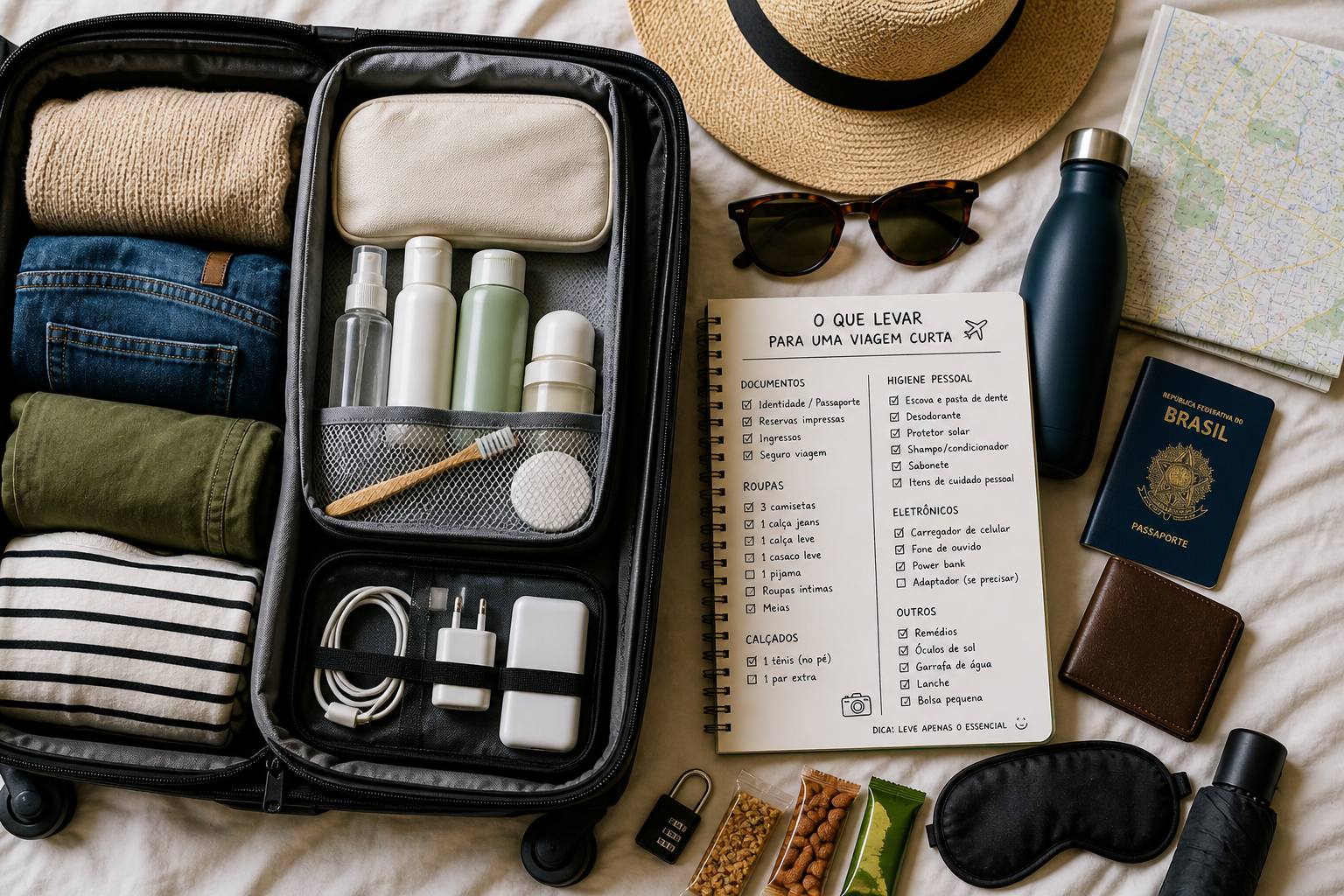
Packing for a short trip should be simple, but many travelers make it harder than necessary. A weekend getaway or a three-day escape can quickly turn into an overpacked suitcase full of clothes, shoes, accessories, and items that never get used.
The goal of packing for a short trip is not to bring as much as possible. The goal is to bring what helps you travel comfortably, move easily, and enjoy your destination without carrying unnecessary weight.
A practical packing list saves time, avoids stress, and makes the whole trip feel lighter.
Start With the Length of the Trip
Before packing, be clear about how many days and nights you will be away. A one-night trip, weekend trip, and four-day getaway require different amounts of clothing and personal items.
For most short trips, you do not need a large suitcase. A small carry-on, backpack, or weekender bag is often enough.
Think about the exact number of outfits you need, including travel days. Avoid packing extra clothes for imaginary situations unless they are truly likely.
Short trips are easier when your luggage matches the real duration of the journey.
Check the Weather Before Packing
Weather should guide your clothing choices. Do not pack based only on how the weather feels at home.
Check the forecast for your destination close to your departure date. Look at temperature, rain, wind, humidity, and possible changes between day and night.
If the weather is uncertain, pack light layers instead of bulky items. A jacket, cardigan, raincoat, or scarf can help you adapt without filling your bag.
Weather preparation prevents discomfort and unnecessary purchases during the trip.
Pack by Activity, Not by Fear
Many people overpack because they imagine every possible situation. Instead, pack according to what you actually plan to do.
If your short trip includes city walks, pack comfortable shoes and casual outfits. If you are going to the beach, bring swimwear, sunscreen, sandals, and light clothing. If you plan a dinner out, bring one slightly nicer outfit. If you will hike, bring proper footwear and practical clothes.
Packing by activity keeps your bag focused.
Bring what supports your itinerary, not everything you own.
Choose Versatile Clothes
Versatile clothes are the secret to packing well for short trips. Choose pieces that combine easily and can be worn in different situations.
Neutral colors, simple tops, jeans, comfortable pants, light dresses, button-up shirts, and basic layers can create several outfits with fewer items.
Avoid packing clothes that only match one specific piece unless you are sure you will wear them.
The more your clothes work together, the less you need to bring.
Limit Shoes
Shoes take up space and add weight quickly. For most short trips, one or two pairs are enough.
Wear your bulkiest or most comfortable shoes during travel. Pack one extra pair only if necessary, such as sandals for a beach trip, dressier shoes for a special dinner, or hiking shoes for trails.
Do not bring shoes you have never worn before. A short trip can be ruined by blisters or discomfort.
Comfortable shoes are more important than having many options.
Bring Essential Toiletries Only
Toiletries can make luggage heavier than expected. For a short trip, bring only what you truly use.
Use travel-size containers for shampoo, conditioner, moisturizer, sunscreen, cleanser, or other liquids. If your accommodation provides basic toiletries, you may not need to bring everything.
Keep personal items such as toothbrush, toothpaste, deodorant, hairbrush, skincare products, and any regular medicine.
Avoid full-size bottles unless they are necessary.
A small toiletry bag is usually enough.
Do Not Forget Documents
Even for a short trip, documents matter. Depending on your travel style, you may need identification, driver’s license, hotel confirmation, tickets, insurance information, or reservation details.
If you are traveling by plane, bus, or train, check document requirements before leaving.
Keep digital copies of important reservations and save them offline. If your phone battery dies or internet fails, having screenshots can help.
Documents should be easy to access, not buried at the bottom of your bag.
Pack Chargers and Electronics Carefully
Forgetting a charger can be frustrating, even on a short trip. Make a small electronics checklist before leaving.
Bring your phone charger, portable charger if needed, camera battery, headphones, adapter if traveling internationally, and any device you truly plan to use.
Avoid bringing unnecessary electronics. A laptop may not be needed for a relaxing weekend unless you must work.
Keep cables organized in a small pouch to prevent tangling.
Simple electronics organization makes travel smoother.
Prepare a Small Day Bag
A day bag is useful for exploring after you arrive. This can be a small backpack, crossbody bag, tote, or compact purse.
Use it for essentials such as phone, wallet, sunglasses, sunscreen, water bottle, snacks, documents, and a light layer.
Choose a bag that is comfortable and secure. It should not be too heavy or difficult to carry during walks.
A good day bag helps you enjoy the destination without returning to your accommodation constantly.
Bring Basic Health Items
A short trip can still bring headaches, allergies, stomach discomfort, small cuts, or tiredness. Bring a small health kit with items you commonly use.
This may include personal medicine, pain reliever, allergy medicine, bandages, motion sickness tablets, hand sanitizer, sunscreen, insect repellent, or any prescription medication.
Do not bring an entire pharmacy. Focus on practical essentials.
Having basic health items gives peace of mind.
Pack Sleepwear and Comfortable Clothes
Travelers sometimes remember outfits for sightseeing but forget comfortable clothes for relaxing.
Bring sleepwear and something comfortable for the accommodation, especially if you will rest in the evening or share a room with others.
For colder destinations, consider warm socks or a soft layer. For beach or warm places, light sleepwear may be better.
Comfort matters during the whole trip, not only when you are outside.
Use Packing Cubes or Small Organizers
Packing cubes, pouches, or simple fabric bags can keep your luggage organized. They help separate clothes, underwear, toiletries, electronics, and dirty laundry.
For a short trip, you do not need many organizers. One for clothes, one for toiletries, and one small pouch for cables may be enough.
Organization makes it easier to find items quickly and repack before returning home.
A tidy bag saves time.
Leave Space for Souvenirs
Even on a short trip, you may bring something back: local snacks, a book, a small craft, or a gift.
Do not pack your bag completely full before leaving. Leave a little space for anything you might buy.
If you know you like shopping, bring a foldable tote bag.
Extra space gives you flexibility without forcing you to carry an additional heavy bag.
Pack Snacks for the Journey
Snacks can be helpful during transportation, delays, long walks, or moments when food options are limited.
Bring simple snacks such as fruit, crackers, nuts, cereal bars, sandwiches, or anything that travels well.
This is especially useful if you are traveling with children, have dietary restrictions, or want to avoid expensive snacks in tourist areas.
A small snack can prevent unnecessary spending and keep your energy stable.
Consider the Type of Accommodation
Your packing list may change depending on where you stay. A hotel may provide towels, toiletries, and breakfast. A rental apartment may offer a kitchen but require some personal items. A cabin or rural stay may require warmer clothes, food supplies, or specific items.
Check what is included before packing.
Do not bring items that the accommodation already provides unless you strongly prefer your own.
Knowing what is available helps you pack lighter.
Avoid Last-Minute Packing
Last-minute packing often leads to overpacking or forgetting essentials. Try to pack at least a few hours before departure, or the night before if possible.
Use a simple checklist and review your bag calmly.
Last-minute stress can make you add unnecessary items “just in case.”
Packing with time helps you make better decisions.
Review Your Bag Before Leaving
After packing, take one final look. Ask yourself whether each item has a clear purpose.
Remove anything that feels unlikely to be used. Short trips do not require too many extras.
Check the essentials again: documents, wallet, phone, charger, medicine, clothes, toiletries, and keys.
A final review can prevent both overpacking and forgotten items.
Travel Light and Enjoy More
Packing for a short trip is about practicality. Check the weather, plan around your activities, choose versatile clothes, limit shoes, bring essential toiletries, organize documents, and keep your bag light.
You do not need to pack for every possible situation. You need to pack for the trip you are actually taking.
When your luggage is simple and organized, you move with more freedom, spend less time managing your things, and focus more on enjoying the destination.