
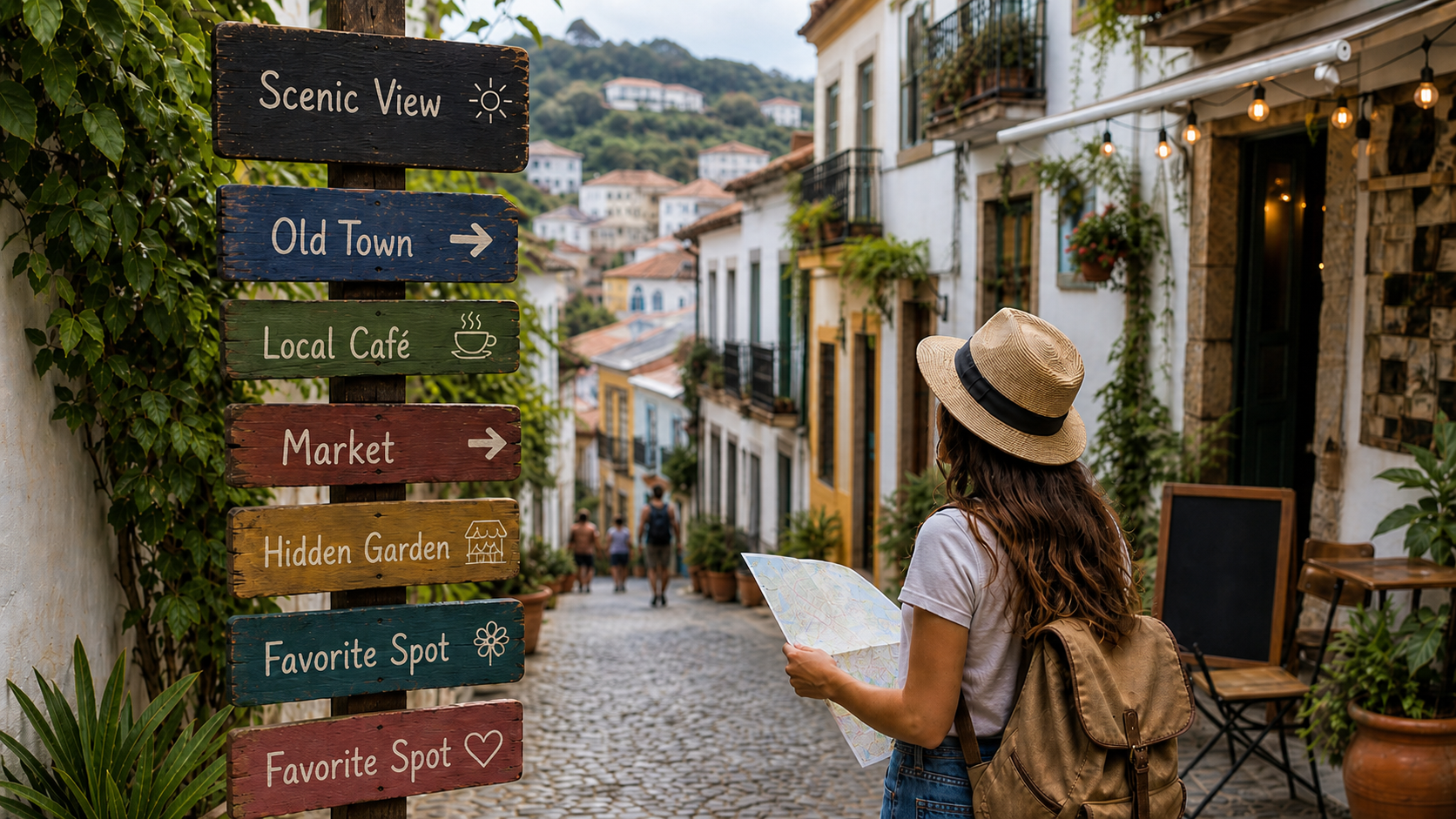
Finding hidden gems is one of the most rewarding parts of travel. These are the places, experiences, streets, cafés, viewpoints, markets, trails, and cultural details that are not always listed at the top of every travel guide. They may not be completely unknown, but they often feel more personal, calmer, and more connected to the real character of a destination.
Hidden gems can turn a good trip into a memorable one. They help you move beyond the obvious route and discover moments that feel unique. A quiet garden, a local bakery, a small museum, a neighborhood viewpoint, a family restaurant, or a traditional shop can sometimes stay in your memory longer than a famous attraction.
The best hidden gems are usually found with curiosity, patience, and respectful exploration.
Start With the Famous Places, Then Look Around
Famous attractions are popular for a reason, and there is nothing wrong with visiting them. However, many travelers make the mistake of seeing only the main attraction and leaving immediately.
After visiting a famous place, take time to explore the surrounding area. Walk a few streets away from the busiest zone. Look for quieter cafés, local shops, small squares, side streets, bookstores, galleries, or parks.
Tourist areas often have hidden details nearby. A historic monument may be surrounded by charming alleys. A famous museum may be close to a peaceful garden. A busy market may lead to traditional food stalls or artisan workshops.
Sometimes hidden gems are not far from the obvious places. They are simply missed by travelers in a hurry.
Talk to Local People
Local recommendations are one of the best ways to discover less obvious experiences. Hotel staff, guides, restaurant workers, shop owners, taxi drivers, market vendors, and residents may know places that are not heavily advertised.
Ask simple and specific questions. Instead of asking, “What should I see?”, try asking:
Where do locals like to eat lunch?
Is there a quiet place to watch the sunset?
What neighborhood is nice for walking?
Is there a small museum or market worth visiting?
Where would you go on a free afternoon?
Specific questions often lead to better answers.
Be respectful and avoid expecting people to create your full itinerary. A short, polite conversation can lead to excellent suggestions.
Explore Local Markets
Markets are full of hidden gems because they reveal daily life. They may include regional foods, handmade products, fresh ingredients, flowers, spices, books, antiques, clothing, or local snacks.
A market can show you what people eat, buy, and value. It can also lead to affordable meals and meaningful souvenirs.
Do not rush through markets only to take photos. Walk slowly, observe, try a small snack, and notice which stalls attract local customers.
Some markets are famous, but many smaller neighborhood markets are even more interesting.
A market visit can reveal the destination’s personality in a natural and affordable way.
Walk Without Overplanning
Walking is one of the best ways to find hidden gems. When you move slowly, you notice details that are impossible to see from a car or tour bus.
Choose a safe and interesting neighborhood, then walk with gentle curiosity. Look at architecture, signs, gardens, doors, balconies, street art, cafés, and small shops.
You do not need to wander completely without direction. Use a map for safety, but allow yourself to take side streets and pause when something catches your attention.
Some of the best discoveries happen when you are not looking for anything specific.
Use Maps Creatively
Digital maps can help you find hidden gems if you use them beyond basic navigation. Zoom into neighborhoods and look for small parks, viewpoints, independent cafés, local museums, bookshops, artisan stores, walking paths, or community spaces.
Read reviews carefully, especially from people who mention local atmosphere, calm settings, or unique experiences. Do not look only at ratings. A place with fewer reviews may still be excellent.
Save interesting spots before your trip, but stay flexible. Maps are tools for discovery, not strict instructions.
A hidden gem may appear as a small dot on the map that most travelers ignore.
Look for Neighborhoods, Not Only Attractions
Many travelers plan around attractions, but hidden gems are often found in neighborhoods. A neighborhood can offer a more complete experience than a single landmark.
Research areas known for local life, cafés, street art, markets, independent shops, traditional houses, music, food, or creative communities.
Spend a few hours in one neighborhood instead of jumping from attraction to attraction. Sit in a café, visit small shops, walk slowly, and observe how people use the space.
Neighborhood exploration helps you understand the destination as a living place, not only as a tourist route.
Visit Small Museums and Cultural Centers
Large museums are often worth visiting, but small museums and cultural centers can be surprisingly rich. They may focus on local history, crafts, music, immigration, food, industry, art, or regional traditions.
These places are usually less crowded and more affordable than famous institutions. They can also provide context that helps you understand the destination better.
Check local cultural calendars. Small centers may offer exhibitions, workshops, performances, or community events.
A small museum can become a hidden gem because it tells a story you would not find elsewhere.
Follow Local Food Clues
Food is one of the easiest ways to discover hidden gems. Look for places where local people eat, especially during lunch or early dinner hours.
Small restaurants, bakeries, food stalls, family-run cafés, and neighborhood markets often offer more authentic meals than tourist-heavy restaurants.
Observe the rhythm of the place. Is it busy with residents? Does the menu include regional dishes? Does it feel connected to the neighborhood?
You can also ask locals about typical snacks, desserts, or casual meals.
A simple dish in a modest place can become one of the best memories of a trip.
Search Beyond the First Page
When researching online, do not stop at the first search results. The most visible recommendations are often the same for everyone.
Look deeper. Read local blogs, neighborhood guides, cultural websites, event calendars, forum discussions, and recent traveler comments. Search for specific interests such as “quiet gardens,” “local bakeries,” “small museums,” “street art neighborhood,” or “best sunset spot.”
The more specific your search, the better your results.
Hidden gems are often found by travelers who ask better questions.
Pay Attention to Local Events
Local events can reveal experiences that visitors often miss. These may include small festivals, craft fairs, music nights, food events, open markets, community celebrations, art exhibitions, or cultural performances.
Before traveling, check event calendars for your dates. Local tourism websites, cultural centers, city halls, libraries, and community pages may list events.
Some events are free or low-cost and can offer a strong sense of place.
If you attend, be respectful. Some events are mainly for residents, and visitors should participate with awareness, not disruption.
Take a Different Route Back
A simple trick for discovering hidden gems is to avoid returning the exact same way every time. If it is safe and practical, take a different street back to your accommodation, restaurant, or transportation stop.
This can reveal interesting shops, murals, courtyards, cafés, gardens, or viewpoints you would not have noticed otherwise.
Small route changes create opportunities for discovery without requiring major planning.
Travel becomes more interesting when you allow variation.
Look for Viewpoints and Quiet Corners
Hidden gems are not always buildings or attractions. Sometimes they are views, benches, small gardens, quiet corners, bridges, stairways, rooftops, or peaceful streets.
Search for viewpoints beyond the most famous ones. A small hill, public terrace, riverside path, or neighborhood overlook may offer a beautiful perspective with fewer people.
Quiet corners are especially valuable in busy destinations. They give you space to pause, breathe, and experience the atmosphere.
A hidden gem can be a place where you feel calm.
Ask About Local Traditions
Every destination has traditions that may not appear in standard tourist guides. These can include foods, crafts, music, religious practices, seasonal habits, markets, festivals, or family customs.
Ask guides, hosts, or locals what traditions are important in the area. Visit places where these traditions are practiced respectfully.
This approach helps you discover experiences that have meaning beyond tourism.
A hidden gem is often not just a place, but a connection to local identity.
Be Open to Simple Discoveries
Sometimes travelers imagine hidden gems as dramatic secret places. But many of the best discoveries are simple: a bakery with fresh bread, a quiet street, a friendly shop owner, a small park, a beautiful doorway, or a local meal.
Do not ignore ordinary moments because you are searching for something impressive.
Travel becomes more meaningful when you notice small pleasures.
A destination’s charm often lives in details.
Avoid Treating Hidden Gems as Private Property
When you discover a special place, remember that it may be part of someone’s daily life. A quiet neighborhood, local café, small beach, or traditional market is not just a backdrop for visitors.
Respect residents, private property, noise levels, photography rules, and environmental care.
Hidden gems can be damaged when travelers behave carelessly or share sensitive locations without context.
Responsible discovery protects the places that make travel special.
Travel Slowly Enough to Find Them
Hidden gems rarely appear when you are rushing. If your itinerary is too full, you may pass by interesting places without noticing.
Leave free time in your schedule. Spend more time in fewer areas. Return to places that feel inviting. Sit down and observe.
Slow travel creates space for surprise.
The more attention you give a destination, the more it reveals.
Trust Your Curiosity
A beautiful shop window, a quiet path, a smell from a bakery, music from a side street, or a small sign for a gallery can all lead to discovery.
Trust your curiosity when it feels safe and respectful. Enter the shop, follow the music, walk toward the view, or try the food stall.
Not every discovery will be amazing, and that is fine. The process itself makes travel richer.
Curiosity turns ordinary movement into exploration.
Let the Destination Surprise You
Finding hidden gems in a new destination is about looking beyond the obvious. Explore around famous places, talk to local people, visit markets, walk through neighborhoods, use maps creatively, search deeper online, and leave space for spontaneous discoveries.
Hidden gems are not always secret. They are often simply overlooked by travelers who move too quickly.
When you slow down and pay attention, you begin to find the places and moments that make a trip feel personal. These discoveries become the memories that belong uniquely to your journey.