
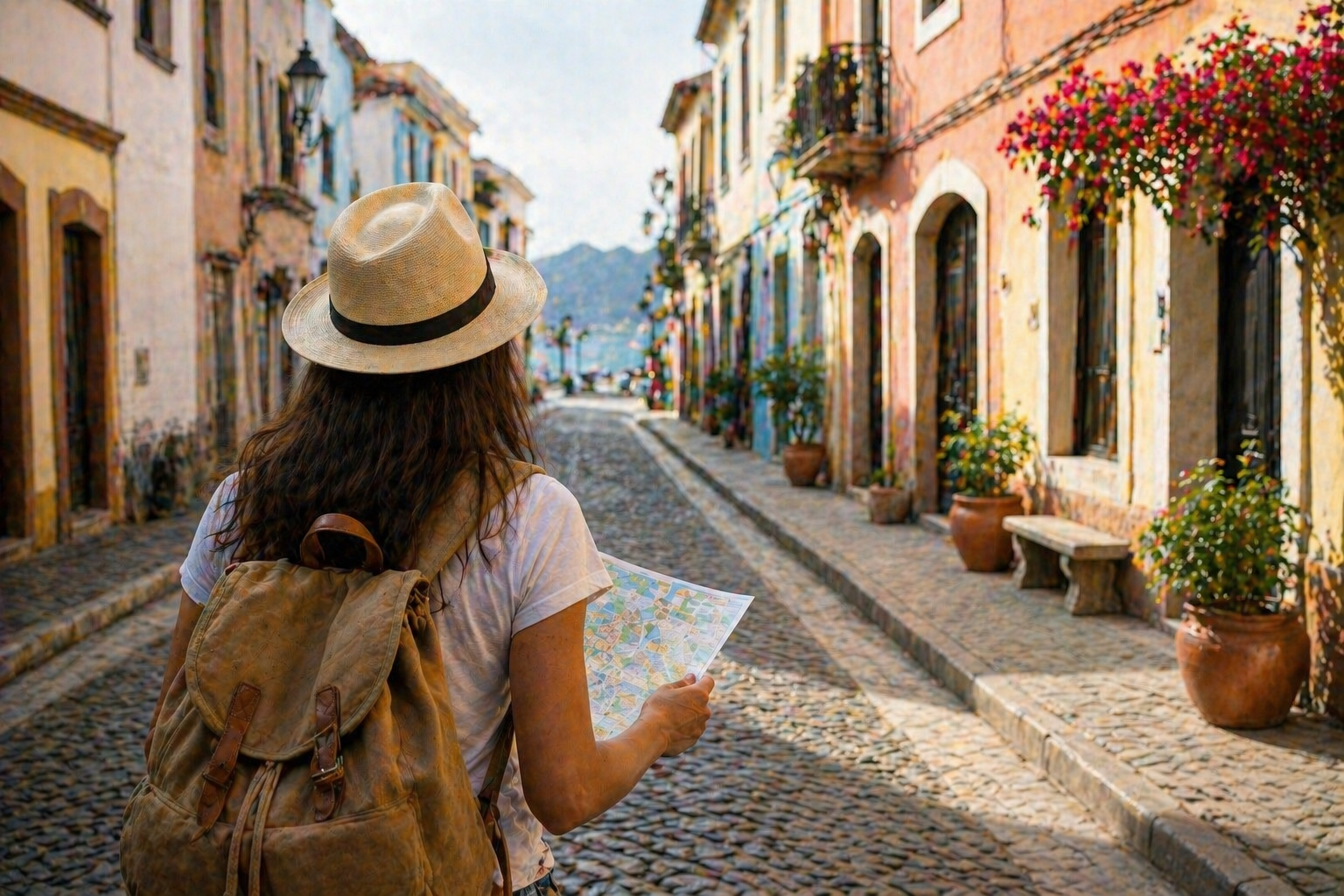
Traveling alone for the first time can feel exciting, liberating, and a little intimidating. You get to choose your own rhythm, follow your interests, change plans freely, and discover how you handle new experiences independently.
At the same time, solo travel brings questions. Is it safe? Will you feel lonely? How do you choose accommodation? What should you do if something goes wrong? These doubts are normal, especially before your first solo trip.
The good news is that traveling alone does not mean being unprepared or isolated. With thoughtful planning, simple safety habits, and a flexible mindset, your first solo trip can become a powerful and memorable experience.
Choose a Beginner-Friendly Destination
For your first solo trip, choose a destination that feels manageable. This does not mean it has to be boring or too close to home. It simply means choosing a place where you can feel comfortable while gaining confidence.
Look for destinations with good transportation, safe areas, clear tourist information, reliable accommodation, and plenty of food options. Cities with walkable neighborhoods, organized public transit, and popular tourist zones can be good choices.
If you are nervous, consider starting with a domestic trip or a place where the language and culture feel familiar. A short solo weekend can be a great first step before planning something longer or more complex.
Your first solo trip should challenge you gently, not overwhelm you completely.
Plan the First Day Carefully
The first day of a solo trip matters a lot because it sets the tone for the experience. After transportation, check-in, and navigating a new place, you may feel tired or uncertain.
Plan your arrival in a way that feels simple and safe. Try to arrive during the day when possible. Know how you will get from the airport, bus station, or train station to your accommodation. Save the address offline and keep transportation options ready.
Avoid scheduling too many activities on the first day. Give yourself time to settle in, understand the neighborhood, buy water or snacks, and rest.
A calm first day helps you feel more confident for the rest of the trip.
Choose Accommodation With Safety in Mind
Accommodation is especially important when traveling alone. A good place to stay should make you feel safe, comfortable, and well located.
Research the neighborhood before booking. Look for areas near public transportation, restaurants, markets, and attractions. Read recent reviews from other solo travelers if possible.
Pay attention to comments about security, reception, cleanliness, noise, staff, lockers, and the surrounding area. If you are staying in a hostel, check whether there are secure lockers and whether female-only or private rooms are available if that matters to you.
If you prefer more privacy, a hotel, guesthouse, or apartment may be better. The best choice is the one that helps you rest well and feel secure.
Share Your Itinerary With Someone You Trust
Even if you enjoy independence, it is smart to share your general travel plans with someone close to you.
Send your accommodation address, transportation details, travel dates, and basic itinerary to a trusted friend or family member. You do not need to update them constantly, but someone should know where you are staying and how to reach you.
If your plans change significantly, send a quick update. This is especially helpful if you are moving between cities or taking day trips.
Sharing your itinerary adds a layer of safety without taking away your freedom.
Keep Important Documents Organized
When traveling alone, you are responsible for all your documents. Keep identification, passport, tickets, accommodation confirmations, travel insurance, and emergency contacts organized and easy to access.
Make digital copies and store them in your email or cloud storage. Save offline versions on your phone too.
Do not keep everything in one place. If possible, separate backup cash, copies, or an extra card from your main wallet.
During daily outings, carry only what you need. Keep original documents secure when it is safe to do so, depending on the destination and local requirements.
Good organization helps you stay calm if something unexpected happens.
Pack Light and Practical
Solo travel is much easier when your luggage is manageable. Since you will carry everything yourself, avoid bringing more than you can comfortably handle.
Choose versatile clothes, comfortable shoes, basic toiletries, medicine, chargers, and essential personal items. Pack according to the weather and activities, not every possible situation.
A backpack or small suitcase can make transportation easier, especially if you need to use stairs, public transit, or walk to your accommodation.
Also prepare a small day bag for exploring. It should be secure, comfortable, and big enough for your phone, wallet, water, portable charger, and necessary documents.
Lighter luggage gives you more freedom.
Trust Your Instincts
One of the most important solo travel skills is listening to your instincts. If a situation, street, person, or transportation option feels uncomfortable, take it seriously.
You do not need to be polite at the cost of your safety. Move away, enter a public place, change routes, call a ride, or ask staff for help.
Solo travelers often learn to notice their surroundings more carefully. This awareness is useful, but it should not become fear. The goal is to stay attentive and confident.
Your comfort matters. Trust yourself.
Stay Aware Without Looking Afraid
Confidence can help you move through new places more comfortably. Walk with purpose, check directions before leaving when possible, and avoid appearing completely lost in unsafe or crowded areas.
If you need to look at your map, step into a shop, café, hotel lobby, or safe corner. Keep your phone secure and avoid walking while distracted.
Pay attention to your belongings, especially in crowded places such as markets, stations, public transportation, and tourist attractions.
Awareness is different from fear. You can enjoy the destination while still being careful.
Plan Your Evenings Wisely
Evenings can feel different when traveling alone. Some solo travelers enjoy nightlife, while others prefer quiet dinners or early nights.
Before going out at night, research the area. Choose well-lit places, reliable transportation, and restaurants or activities close to your accommodation when possible.
If you plan to return late, know how you will get back safely. Avoid walking alone through empty or unfamiliar areas at night if you feel uncomfortable.
A peaceful evening plan can help you enjoy solo travel without unnecessary stress.
Learn How to Eat Alone Comfortably
Many first-time solo travelers worry about eating alone. At first, it may feel strange, but it usually becomes easier quickly.
Choose cafés, casual restaurants, markets, bakeries, or places with counter seating if you want a relaxed environment. Bring a book, journal, or simply enjoy people-watching.
Eating alone can become one of the best parts of solo travel. You can choose exactly what you want, eat at your own pace, and pay attention to the destination around you.
Do not let fear of dining alone stop you from enjoying good food.
Join Group Activities When You Want Company
Traveling alone does not mean being alone all the time. Group activities can be a great way to meet people and feel more connected.
Consider walking tours, cooking classes, day trips, museum tours, language exchanges, hiking groups, or local workshops. These experiences create natural opportunities for conversation.
Hostels and guesthouses may also offer social spaces or organized activities.
The advantage of solo travel is that you can choose when to be social and when to enjoy your own company.
Keep Your Phone Ready
Your phone is an important tool during solo travel. Use it for maps, translation, reservations, emergency contacts, transportation, and communication.
Before leaving your accommodation, make sure your battery is charged. A portable charger can be very useful, especially during long sightseeing days.
Download offline maps and save important addresses. Keep emergency contacts easy to find.
At the same time, do not depend completely on your phone. Write down your accommodation address or keep a card with you in case the battery dies.
A prepared phone makes solo travel much easier.
Avoid Oversharing Personal Information
Meeting people can be one of the joys of travel, but be careful with personal information. You do not need to tell strangers where you are staying, whether you are alone, or your full itinerary.
If someone asks too many personal questions and you feel uncomfortable, give vague answers or change the subject.
When posting on social media, consider sharing locations after you leave rather than in real time.
Protecting your privacy is a simple but important safety habit.
Budget With Extra Flexibility
Solo travel can sometimes cost more because you are not sharing accommodation, taxis, or meals. Plan your budget with this in mind.
Include transportation, accommodation, food, activities, insurance, emergency money, and local movement. Keep extra funds for situations where comfort or safety matters, such as taking a taxi at night instead of walking.
Do not feel guilty about spending a little more when it improves your safety or peace of mind.
A flexible budget helps you make better decisions.
Take Photos, But Stay Present
Solo trips often bring meaningful moments of independence and discovery. Photos can help you remember them, but do not let photography become pressure.
Use a tripod, timer, or ask someone politely for a photo if you want pictures of yourself. But also take time to enjoy views, meals, streets, and quiet moments without needing to document everything.
Some memories are stronger because you fully lived them.
Solo travel is a chance to be present with yourself.
Be Patient With Yourself
Your first solo trip may include moments of uncertainty. You may feel nervous before going to a restaurant, confused by transportation, or lonely for a short time. This does not mean the trip is going badly.
Solo travel is a skill. It becomes easier with practice.
Celebrate small victories: finding your way, ordering a meal, navigating transportation, solving a problem, or enjoying your own company.
Each moment builds confidence.
Discover the Freedom of Traveling Alone
Traveling alone for the first time can be a deeply rewarding experience. It teaches independence, flexibility, awareness, and self-trust.
Choose a beginner-friendly destination, plan your first day carefully, book safe accommodation, organize documents, pack light, share your itinerary, and trust your instincts.
You do not need to be fearless to travel alone. You only need to be prepared, attentive, and open to the experience.
Your first solo trip may show you that you are more capable than you imagined. And once you discover the freedom of traveling at your own rhythm, it may become one of your favorite ways to explore the world.