
A weekend trip can be the perfect way to rest, explore a new place, and break the routine without needing a long vacation. Even two or three days away can bring fresh energy, new memories, and a sense of renewal.
However, short trips require smart planning. Because time is limited, every decision matters more: the destination, transportation, accommodation, itinerary, luggage, and even meal choices. A poorly planned weekend can feel rushed and tiring, while a well-organized one can feel surprisingly complete.
The goal of a weekend trip is not to do everything. The goal is to enjoy the time you have in the best possible way.
Choose a Nearby or Easy-to-Reach Destination
The first rule of a good weekend trip is choosing a destination that does not consume too much of your time in transit. A beautiful place may not be worth it if you spend most of the weekend getting there and coming back.
Look for destinations that are easy to reach by car, bus, train, or direct flight. Nearby towns, beach areas, countryside retreats, mountain villages, historic cities, and nature parks can be excellent options.
Think about total travel time, not only distance. A place that is close but difficult to access may be less practical than a slightly farther destination with a direct route.
For a weekend, convenience is valuable. The easier it is to arrive, the more time you have to enjoy the trip.
Define the Main Purpose of the Weekend
Before planning activities, decide what you want from the trip. Do you want to rest? Explore? Eat well? Spend time with someone? Enjoy nature? Visit cultural attractions? Escape the city?
This decision helps you avoid creating a confusing itinerary. A weekend focused on rest should look different from a weekend focused on sightseeing.
If your goal is relaxation, choose comfortable accommodation, slow meals, scenic views, and fewer activities. If your goal is discovery, choose a destination with walkable areas, attractions, and local experiences.
A clear purpose makes the trip feel more satisfying because your choices support what you really want.
Keep the Itinerary Simple
A short weekend trip should not feel like a race. Trying to visit too many places can make the experience stressful and exhausting.
Choose one main activity per day, then add smaller options nearby. For example, you might visit a historic center in the morning, have lunch in the area, walk through local streets, and enjoy a quiet dinner.
Avoid scheduling activities too close together. Travel time, check-in, meals, weather, and rest all take time.
A simple itinerary gives you direction without pressure. It also leaves room for unexpected discoveries, which are often the best part of short trips.
Stay in a Convenient Location
Accommodation location is especially important for weekend trips. Since your time is limited, staying far from the main areas can waste valuable hours.
Choose accommodation close to the places you want to visit, or at least near reliable transportation. Being able to walk to restaurants, shops, viewpoints, beaches, or attractions makes the weekend easier.
A cheaper place far away may seem like a good deal, but it may cost more in transportation and time. For short trips, convenience often matters more than saving a small amount.
Read reviews carefully and check maps before booking. Look for comments about location, safety, noise, cleanliness, and nearby services.
Pack Light
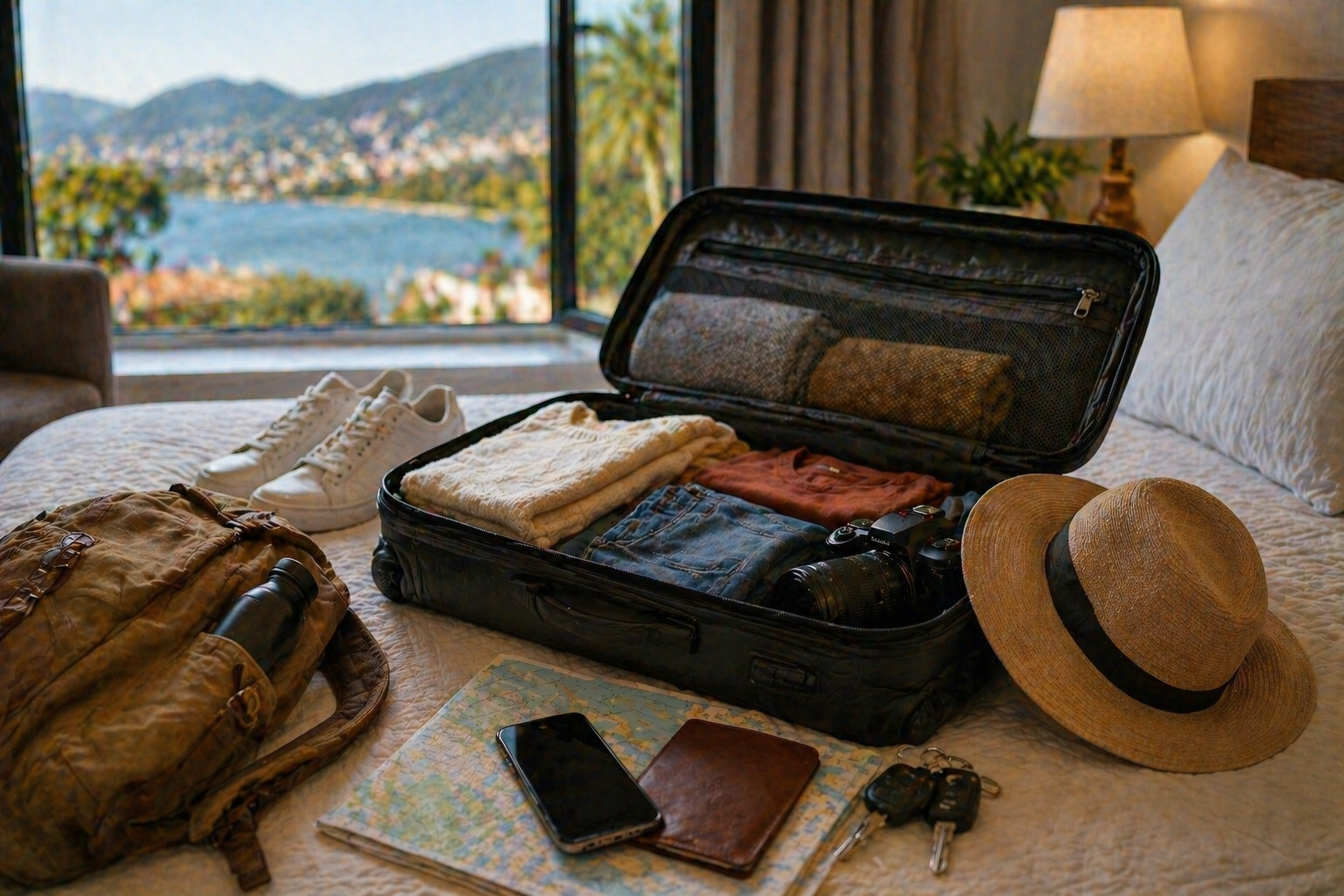
Packing light makes weekend travel much easier. A small bag or carry-on is usually enough for two or three days.
Choose versatile clothes that match the weather and planned activities. Bring comfortable shoes, basic toiletries, documents, chargers, medicine, and any essential personal items.
Avoid packing several outfit options “just in case.” Most weekend trips do not require much luggage.
Traveling light saves time, reduces stress, and makes transportation more comfortable. It also helps you move more freely if you arrive before check-in or leave after checkout.
Plan Transportation in Advance
For a weekend trip, transportation should be as smooth as possible. Before leaving, confirm how you will get to the destination and how you will move around once you arrive.
If you are driving, check the route, traffic patterns, parking options, fuel stops, and road conditions. If using public transportation, confirm departure times, return times, station locations, and ticket rules.
If flying, consider whether the airport is close to the destination and whether the flight times are convenient. A cheap flight with difficult schedules may reduce the value of the weekend.
Good transportation planning helps you avoid wasting time and energy.
Start the Trip With Less Stress
The beginning of a weekend trip sets the tone for the experience. If possible, prepare before departure day.
Pack the night before, organize documents, charge devices, confirm reservations, and check transportation details. This helps you leave home calmly instead of rushing.
If you are traveling after work, keep your luggage ready. A quick departure can help you arrive earlier and enjoy more of the evening.
The less stress you create at the beginning, the easier it is to enter vacation mode.
Make the First Evening Count
If you arrive on Friday evening or the night before your main travel day, use that time wisely. You do not need a big plan, but a simple dinner, short walk, or relaxed drink can make the trip feel longer.
Choose something easy near your accommodation. Avoid complicated logistics after a long travel day.
A calm first evening helps you settle in, understand the area, and start enjoying the destination without pressure.
Even a small experience on arrival day can make the weekend feel richer.
Wake Up With Intention
Weekend mornings are valuable. You do not need to wake up extremely early, but starting the day with intention helps you enjoy more.
If you want to visit a popular attraction, going earlier may help you avoid crowds. If your goal is rest, a slow breakfast may be the right choice.
Decide the main focus of the day before leaving your accommodation. This prevents wasting time trying to choose activities in the moment.
A thoughtful morning gives structure to the whole day.
Prioritize Local Experiences
Short trips become more memorable when they include local flavor. This does not have to be complicated or expensive.
Visit a local bakery, walk through a market, try a regional dish, explore a traditional neighborhood, stop at a scenic viewpoint, or talk respectfully with local people.
These small experiences help you feel connected to the place, even if you only stay for a weekend.
Famous attractions are nice, but local details often create the strongest memories.
Avoid Long Lines When Possible
Waiting in long lines can consume a large part of a short trip. Before visiting popular attractions, check whether tickets can be purchased in advance or whether there are less crowded times.
If an attraction is not essential to your trip and the line is too long, consider choosing something else. A weekend is too short to spend hours waiting unless the experience is truly important to you.
Look for alternatives nearby. Smaller museums, parks, cafés, viewpoints, or local streets may offer a more relaxed experience.
Protect your time by choosing wisely.
Plan Meals Without Overcomplicating
Meals can make a weekend trip more enjoyable, but they can also waste time if you do not plan lightly.
Save a few restaurant options before the trip. Include casual places, breakfast spots, local food options, and one special meal if that matters to you.
Make reservations when needed, especially for popular restaurants or busy travel periods.
At the same time, do not schedule every meal too rigidly. Leave space for spontaneous discoveries.
Good meal planning helps you eat well without spending too much time searching.
Leave Space for Rest
Even a weekend trip needs rest. If you try to use every minute, you may return home more tired than when you left.
Include slower moments: a coffee break, a quiet walk, time by the pool, a park bench, a nap, or an unplanned afternoon.
Rest is especially important if you had a busy week before the trip or need to return to work soon after.
A good weekend getaway should refresh you, not exhaust you.
Be Flexible With the Weather
Weather can change a weekend plan quickly. Rain, heat, wind, or cold may affect outdoor activities.
Before traveling, check the forecast and prepare alternatives. If you planned a beach day, have an indoor option ready. If you planned a walking tour, consider a museum, café, market, or cultural center as backup.
Packing a light jacket, umbrella, sunscreen, or comfortable shoes can also help.
Flexibility allows you to enjoy the trip even when conditions are not perfect.
Make the Return Easier
The return is part of the trip. If you leave everything disorganized, the weekend may end with stress.
Before departure, check transportation times, pack calmly, and make sure you have documents, chargers, wallet, and personal items.
If possible, avoid returning extremely late, especially if you have work or responsibilities the next morning. Giving yourself a little time to rest after returning home can help preserve the good feeling of the trip.
A smooth return makes the whole experience feel better.
Enjoy the Weekend Without Pressure
A short weekend trip does not need to include every attraction or perfect photo. It only needs to give you a meaningful break from routine.
Choose a practical destination, keep the itinerary simple, stay in a convenient location, pack light, plan transportation, enjoy local experiences, and leave room for rest.
The best weekend trips feel balanced. They offer enough activity to be memorable and enough calm to be refreshing.
When you stop trying to do everything, you can enjoy what truly matters: a change of scenery, good moments, and the feeling that even a short escape can renew your energy.