
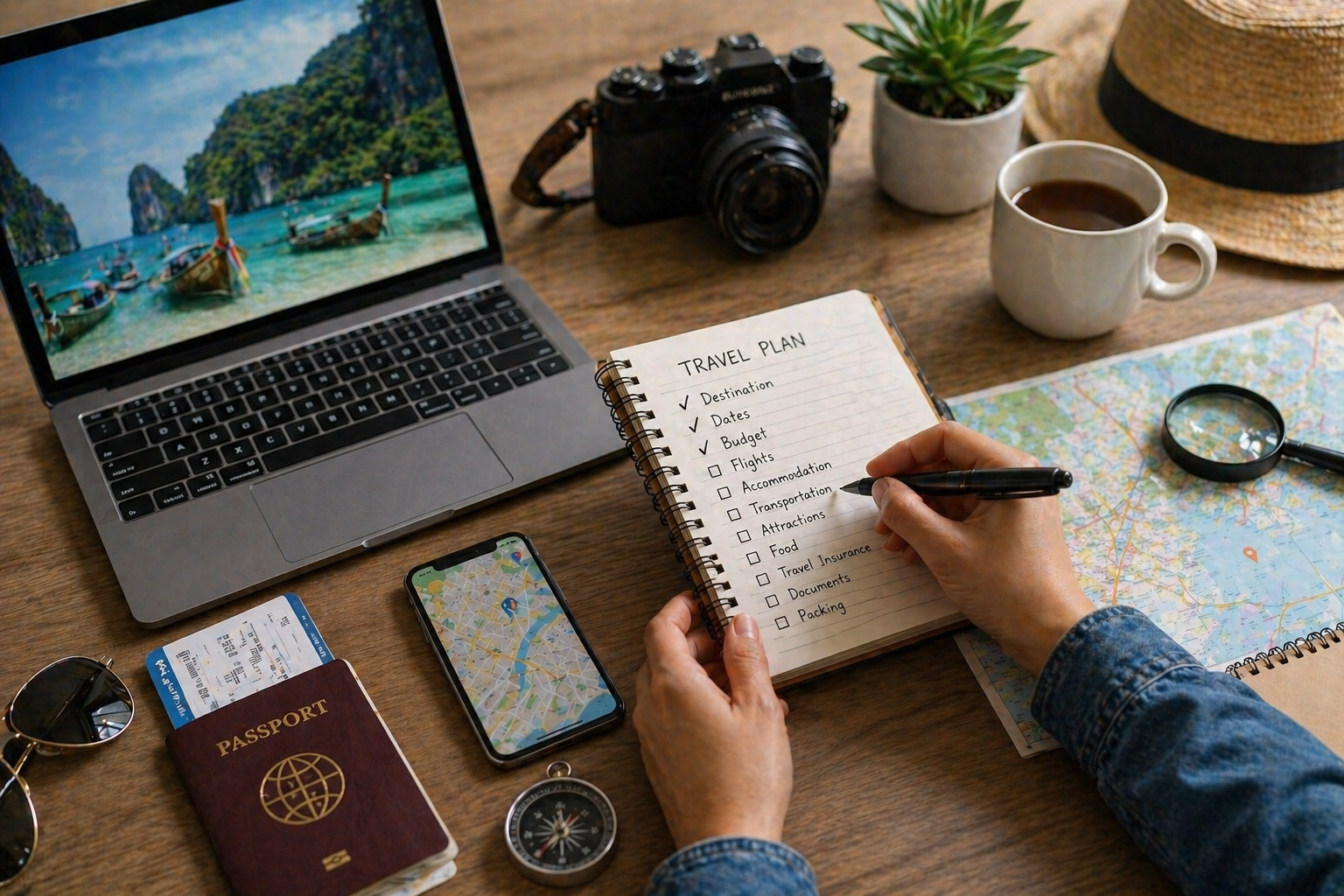
Planning a trip is exciting, but it also involves many decisions. You need to choose a destination, set dates, organize transportation, book accommodation, prepare documents, create an itinerary, and think about your budget. With so many details, it is easy to make mistakes.
Some travel planning mistakes are small and only create minor inconvenience. Others can cost money, waste time, or affect the quality of the entire trip. The good news is that most of these problems can be avoided with simple preparation.
A good trip does not require perfect planning. It requires realistic planning, attention to important details, and flexibility when things change.
Choosing a Destination Only Because It Looks Beautiful
Beautiful photos can inspire travel dreams, but they should not be the only reason to choose a destination. A place may look amazing online and still not match your budget, interests, travel style, or available time.
Before deciding, research the destination carefully. Check the weather, average costs, transportation, safety, main attractions, food, accommodation options, and best time to visit.
Ask yourself whether the destination offers the type of experience you want. Do you want rest, culture, adventure, nature, shopping, food, or family activities?
Social media often shows the best angles and perfect moments. Real travel also includes crowds, transportation, costs, weather changes, and practical details.
Choose a destination because it fits your trip, not only because it looks impressive.
Underestimating the Total Cost
Many travelers calculate only flights and hotels when planning a trip. This is one of the most common budget mistakes.
The total cost of a trip includes much more: food, local transportation, tours, attraction tickets, travel insurance, luggage fees, tips, documents, shopping, internet, emergency expenses, and small daily purchases.
A trip may seem affordable at first but become expensive once all these details are included.
To avoid this, create a realistic travel budget. Divide expenses into categories and research average prices before booking. Include an emergency reserve for unexpected situations.
A clear budget helps you travel with more peace of mind.
Booking Accommodation Without Checking the Location
A hotel or apartment may look comfortable and affordable, but location matters. Staying far from the places you want to visit can waste time and increase transportation costs.
Before booking, check the accommodation on a map. Look at the distance to attractions, public transportation, restaurants, markets, and safe areas.
Read recent reviews, especially comments about the neighborhood, noise, cleanliness, and transportation access.
Sometimes paying slightly more for a better location is worth it. You may save time, reduce stress, and enjoy the destination more.
Accommodation should support your trip, not complicate it.
Creating an Overloaded Itinerary
Trying to do too much is a common travel planning mistake. It is natural to want to see everything, especially when visiting a destination for the first time. But an itinerary that is too full can make the trip exhausting.
Travel takes time. You need time for meals, walking, transportation, lines, photos, rest, and unexpected changes.
Instead of planning every minute, choose one or two main activities per day. Add optional activities only if there is time and energy.
A balanced itinerary gives you direction without pressure. It allows you to enjoy places more calmly and adapt when plans change.
Remember that a good trip is not a race.
Ignoring Travel Time Between Places
On a map, two places may look close. In reality, they may require a long walk, traffic, public transportation transfers, or difficult roads.
Ignoring travel time can make your schedule unrealistic. You may arrive late, feel rushed, or miss reservations.
Before finalizing your itinerary, check how long it takes to move between activities. Use maps, transportation apps, and local information. Add extra time for delays, walking, waiting, and navigation.
If possible, group attractions by location. Spend each day exploring one area instead of crossing the destination several times.
A realistic route makes each day smoother.
Not Checking Documents Early
Document problems can seriously affect a trip. An expired passport, missing visa, invalid identification, or forgotten authorization can prevent you from boarding or entering a destination.
Check documents as soon as you start planning. For domestic travel, confirm which identification is accepted. For international travel, check passport validity, visa requirements, entry rules, travel insurance requirements, and any necessary certificates.
If children are traveling, verify whether additional authorization is needed.
Make digital and printed copies of important documents. Keep them organized and accessible.
Documents are not the most exciting part of travel planning, but they are among the most important.
Forgetting About Travel Insurance
Some travelers skip travel insurance because they hope nothing will go wrong. While many trips happen without major issues, unexpected situations can occur.
Travel insurance may help with medical emergencies, cancellations, delays, lost luggage, or other problems, depending on the policy. For international trips, it can be especially important.
Before buying, compare coverage, not just price. Understand what is included, what is excluded, and how to contact assistance.
Even when insurance is not mandatory, it can offer peace of mind.
Forgetting it can be a costly mistake.
Packing Too Much
Overpacking is very common. Travelers often bring many items “just in case” and return home with clothes they never used.
Heavy luggage makes travel more difficult. It can increase baggage fees, slow you down, make public transportation uncomfortable, and create stress when changing hotels.
Pack according to the weather, activities, and length of the trip. Choose versatile clothes that combine easily. Bring comfortable shoes and essential items, but avoid unnecessary extras.
If the trip is long, plan for laundry instead of packing clothes for every day.
A lighter suitcase often creates a better travel experience.
Packing Without Checking the Weather
Packing without checking the weather can lead to discomfort. You may arrive with clothes that are too warm, too light, or unsuitable for rain, wind, or cold evenings.
Before packing, check the forecast and research typical weather for the season. Some destinations have big temperature changes between day and night.
Pack layers when conditions are uncertain. A light jacket, raincoat, sunscreen, hat, or comfortable shoes can make a big difference.
Weather preparation helps you avoid last-minute purchases and enjoy the trip more comfortably.
Leaving Important Bookings for the Last Minute
Some travelers enjoy spontaneous trips, and flexibility can be wonderful. However, leaving important bookings for the last minute can create problems, especially during high season or busy events.
Flights, accommodation, popular tours, restaurants, and attraction tickets may become more expensive or unavailable.
If something is essential to your trip, book it in advance. This includes accommodation, transportation, major attractions, and experiences with limited availability.
You do not need to book every meal or every hour. But securing the most important parts of the trip helps avoid disappointment.
Not Reading Cancellation Policies
Cancellation policies are easy to ignore when everything seems certain. But plans can change.
Flights may be delayed, schedules may shift, illness may happen, or you may need to adjust your itinerary. If you do not understand cancellation policies, you may lose money.
Before booking accommodation, tours, car rentals, or transportation, check whether changes or cancellations are allowed. Pay attention to deadlines and fees.
Sometimes a flexible reservation costs a little more but provides valuable peace of mind.
Knowing the rules before booking helps you make safer decisions.
Forgetting to Plan Meals
Meals are often left out of travel planning. While you do not need to schedule every restaurant, having no food plan can waste time and money.
If you wait until you are very hungry, you may choose the nearest option, even if it is overpriced or not very good.
Before traveling, save a few restaurant, café, market, or casual meal options near your accommodation and main attractions. Include choices for different budgets.
If you have dietary restrictions, research suitable places in advance.
A light meal plan keeps the day more comfortable.
Not Considering Local Customs
Every destination has its own habits, rules, and expectations. Ignoring local customs can lead to awkward situations or disrespectful behavior.
Research basic etiquette before traveling. This may include clothing expectations, tipping habits, greetings, public behavior, dining customs, photography rules, and how to behave in religious or cultural sites.
Respecting local customs improves your experience and shows consideration for the people who live there.
Travel is not only about seeing places. It is also about understanding them.
Depending Completely on Internet Access
Many travelers rely on their phones for maps, tickets, communication, translation, banking, and reservations. But internet access may fail.
Your phone may lose signal, run out of battery, or have trouble connecting. Some areas may have limited coverage.
Before traveling, save important information offline. Download maps, tickets, hotel addresses, reservation confirmations, and emergency contacts. Carry a portable charger if possible.
Taking screenshots of key details is a simple and effective habit.
Being prepared offline can prevent stress.
Ignoring Rest Time
Travel can be tiring, even when it is enjoyable. Walking, transportation, new environments, and constant decisions can drain energy.
Some travelers plan every day as if they will always feel energetic. This can lead to exhaustion halfway through the trip.
Include rest in your itinerary. Take breaks, plan slower mornings, and avoid scheduling intense activities every day.
Rest helps you enjoy the destination more. It is not wasted time.
A trip should leave you with good memories, not only tiredness.
Not Having a Backup Plan
Plans can change. Weather may affect outdoor activities. Attractions may close. Transportation may be delayed. You may feel tired or decide you want something different.
Having backup options makes changes easier. Prepare a short list of indoor activities, relaxed places, alternative restaurants, and flexible attractions.
A backup plan does not mean expecting the worst. It means being ready to adapt.
Flexibility is one of the most valuable travel skills.
Avoiding Mistakes With Better Planning
Travel planning mistakes are common, but many are easy to avoid. Research your destination, create a realistic budget, check documents early, choose accommodation carefully, pack wisely, and build a flexible itinerary.
Good planning does not remove every possible problem. It simply helps you prevent the most avoidable ones and respond calmly when something changes.
A well-planned trip gives you more time and energy to enjoy what really matters: the destination, the experiences, the people, and the memories you create along the way.