
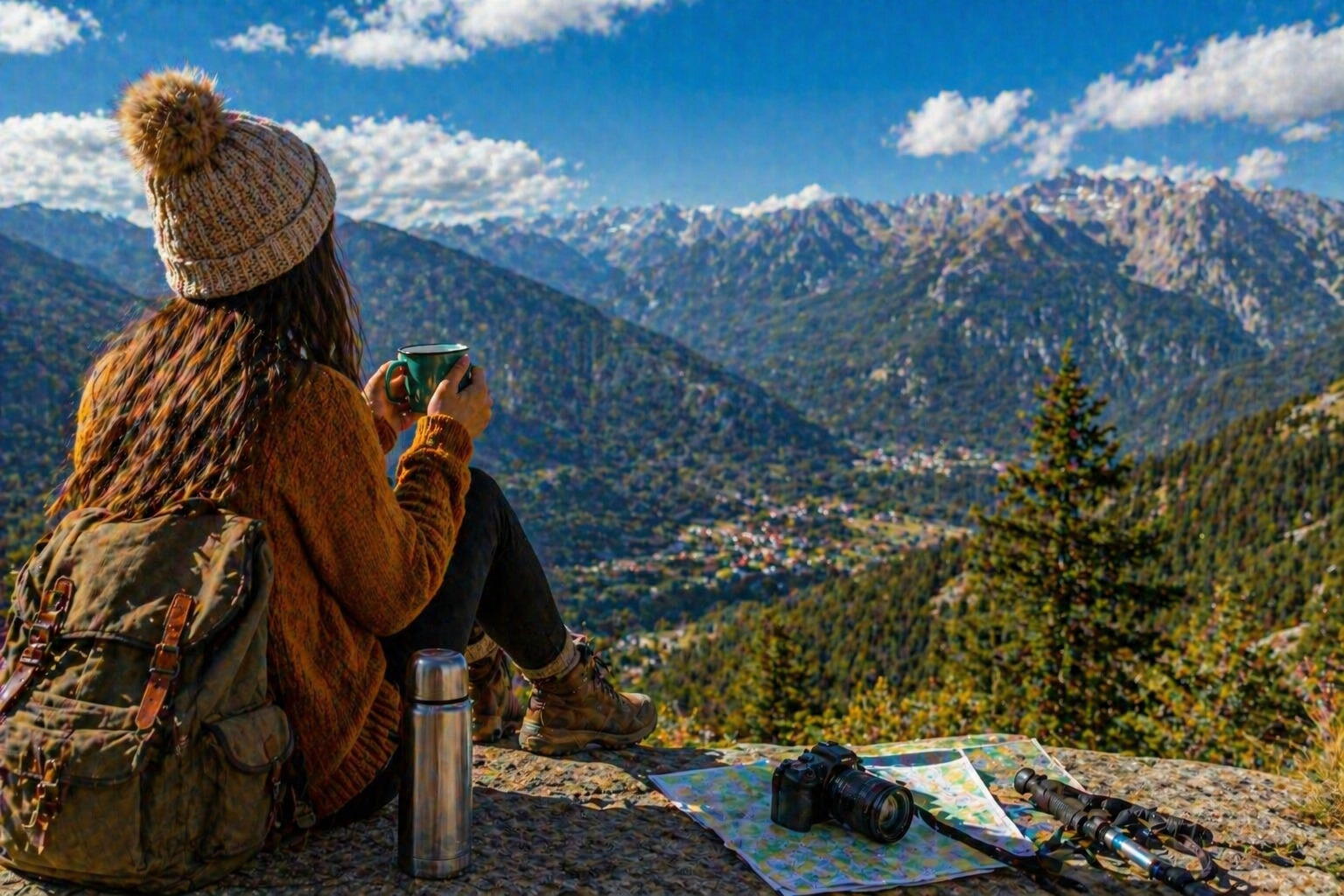
Mountain destinations have a special kind of beauty. Fresh air, scenic views, quiet trails, cozy towns, waterfalls, forests, cabins, viewpoints, and cooler temperatures can make a trip feel peaceful and refreshing. For many travelers, the mountains offer the perfect escape from busy routines and crowded cities.
However, mountain travel also requires preparation. Weather can change quickly, roads may be winding, temperatures can drop at night, and activities often involve walking, climbing, or spending time outdoors. A little planning helps you enjoy the experience with more comfort and safety.
A mountain trip can be relaxing, adventurous, romantic, or family-friendly. The key is to choose the right destination, prepare properly, and respect the rhythm of the place.
Choose the Right Mountain Destination
Not all mountain destinations are the same. Some are ideal for hiking and adventure. Others are better for rest, scenic drives, cozy accommodation, or cultural experiences in small towns.
Before choosing, think about the kind of trip you want. Do you want to hike every day? Stay in a cabin and rest? Visit viewpoints? Enjoy local food? Travel as a couple? Take children? Explore waterfalls and forests?
Some mountain towns have excellent infrastructure, restaurants, shops, guided tours, and easy roads. Others are more remote and require more planning.
If this is your first mountain trip, choose a destination with good access, clear information, and activities suitable for your experience level. You can always choose more challenging places in the future.
Check the Weather Carefully
Weather is one of the most important details in mountain travel. Conditions can change faster than in cities or coastal areas. A sunny morning can become a cold or rainy afternoon, especially at higher altitudes.
Before packing, check the forecast and research typical weather for the season. Pay attention to temperature changes between day and night.
Even in warmer months, mountain evenings can be cool. In colder seasons, roads, trails, and attractions may be affected by fog, rain, snow, or strong winds.
Pack layers so you can adapt throughout the day. A light jacket, sweater, raincoat, hat, or scarf may be useful depending on the destination.
Good weather preparation helps you stay comfortable and avoid unpleasant surprises.
Pack Comfortable Clothing
Mountain trips usually require practical clothing. Even if you are not planning intense hikes, you may walk on uneven streets, climb stairs, visit viewpoints, or spend time outdoors.
Choose comfortable clothes that allow movement. Layers are especially useful because temperatures can vary throughout the day.
A simple mountain wardrobe may include long pants, breathable shirts, warm layers, a jacket, socks, comfortable shoes, and sleepwear suitable for cooler nights.
Avoid packing only clothes based on appearance. Mountain destinations often reward practicality more than style.
You can still look good while choosing pieces that keep you warm, dry, and comfortable.
Wear the Right Shoes
Shoes are one of the most important items for a mountain trip. Bad footwear can make walking uncomfortable and even unsafe.
Choose shoes according to your activities. For light walks and small towns, comfortable sneakers may be enough. For trails, waterfalls, or uneven paths, hiking shoes or sturdy walking shoes are better.
Avoid wearing new shoes for the first time during the trip. They may cause blisters or pain.
If the destination has rain, mud, rocks, or steep paths, choose shoes with good grip. Slippery shoes can become a real problem in mountain areas.
Comfortable feet make the whole trip better.
Plan Activities According to Your Fitness Level
Mountain destinations often offer outdoor activities, but not every trail or viewpoint is suitable for every traveler. Before choosing activities, be honest about your fitness level and experience.
Research trail distance, difficulty, elevation gain, terrain, estimated time, and safety conditions. A short trail may still be challenging if it is steep or rocky.
If you are traveling with children, older adults, or people with mobility limitations, choose accessible viewpoints, scenic drives, parks, and easy walks.
There is no need to prove anything during a trip. The best activity is the one you can enjoy safely and comfortably.
Start Outdoor Activities Early
In many mountain destinations, mornings are the best time for outdoor activities. Weather is often clearer, temperatures are more comfortable, and trails may be less crowded.
Starting early also gives you more time to complete hikes, visit viewpoints, or explore nature before afternoon changes in weather.
If you plan to hike, avoid starting too late. Darkness can arrive faster than expected in forested or mountainous areas.
An early start helps you enjoy the day calmly and return with time to rest.
Carry Water and Snacks
Mountain activities can demand more energy than expected. Even short walks may feel tiring due to slopes, altitude, or uneven terrain.
Carry water and simple snacks, especially if you will visit trails, viewpoints, parks, or remote areas. Fruit, nuts, sandwiches, crackers, or cereal bars can help keep your energy stable.
Do not rely completely on finding food along the way. Some mountain attractions have limited services or close early.
Staying hydrated and nourished helps prevent fatigue, headaches, and irritation.
Respect Trail and Nature Rules
Mountain environments can be fragile. Responsible behavior helps protect nature and keeps visitors safe.
Stay on marked trails, respect signs, avoid disturbing animals, do not remove plants or rocks, and take your trash with you.
If fires are prohibited, respect the rule. If swimming is not allowed in a waterfall or lake, do not enter. If an area is closed, there is usually a reason.
Responsible travel protects both the destination and the people visiting it.
Nature should be enjoyed with care.
Prepare for Winding Roads
Mountain roads can be beautiful, but they may also be narrow, steep, or full of curves. If you are driving, prepare carefully.
Check road conditions before departure. Drive slowly, respect speed limits, and be extra careful in fog, rain, or at night.
If you get motion sickness, bring appropriate medicine or remedies you normally use. Passengers may feel uncomfortable on winding roads, especially children.
Plan stops along the way for rest, photos, and fresh air.
The journey to the mountains is part of the experience, but it should be done safely.
Choose Accommodation With the Right Atmosphere
Accommodation can shape your mountain trip. A cozy cabin, small inn, mountain lodge, countryside guesthouse, or hotel with scenic views can add a lot to the experience.
Think about what matters most: view, fireplace, breakfast, heating, location, parking, kitchen, silence, or proximity to trails and restaurants.
In colder destinations, check whether the accommodation has proper heating and warm bedding. In remote places, confirm internet access, road conditions, and nearby food options.
A comfortable place to rest is especially important after outdoor activities.
Plan for Slower Evenings
Mountain destinations often invite slower evenings. After a day of walking, exploring, or driving, you may enjoy a calm dinner, warm drink, fireplace, scenic sunset, or quiet night at the accommodation.
Do not feel pressured to fill every evening with activities. Part of the charm of mountain travel is slowing down.
If the destination has a small town center, evening walks can be pleasant. If it is remote, plan meals and supplies ahead of time.
A peaceful evening can become one of the best parts of the trip.
Check Altitude Effects
Some mountain destinations are located at higher altitudes. Depending on the elevation, some travelers may feel shortness of breath, headache, tiredness, or dizziness.
If you are visiting a high-altitude place, take it easy on the first day. Drink water, avoid excessive alcohol, and do not schedule intense activities immediately after arrival.
Most travelers adjust naturally, but it is important to listen to your body. If symptoms are strong or persistent, seek local medical advice.
Altitude awareness helps you enjoy the destination safely.
Bring Basic Health Items
A small health kit can be very useful during mountain travel. Include any regular medicine, pain reliever, allergy medicine, bandages, sunscreen, insect repellent, and items you personally need.
Sunscreen is important even in cool weather because mountain sun can be strong. Insect repellent may be useful near forests, rivers, and lakes.
If you plan to hike, consider items such as blister pads, hand sanitizer, and a small first-aid kit.
You do not need to carry too much, but basic preparation brings peace of mind.
Enjoy Local Food and Traditions
Mountain destinations often have rich local food traditions. Warm dishes, regional cheeses, breads, soups, stews, homemade sweets, coffee, tea, wine, or craft products may be part of the experience.
Visit local restaurants, bakeries, farms, markets, or small shops. Try regional specialties when possible.
Food is a beautiful way to connect with mountain culture, especially in small towns where recipes and traditions are part of local identity.
A mountain trip is not only about views. It is also about flavors, people, and atmosphere.
Take Time for Scenic Views
Viewpoints are one of the highlights of mountain travel. But do not rush through them only to take a photo.
Arrive, breathe, observe the landscape, and allow yourself to enjoy the silence or sounds around you. Notice the layers of hills, the clouds, the light, the trees, and the distance.
Bring a jacket if the viewpoint is windy. Visit during sunrise or sunset if it is safe and practical.
A scenic view becomes more memorable when you truly spend time with it.
Be Flexible With Plans
Mountain trips require flexibility. Weather may change, trails may close, fog may hide views, roads may take longer than expected, or you may feel more tired than planned.
Have backup options. If an outdoor activity is not possible, visit a café, local shop, museum, restaurant, scenic drive, or indoor attraction.
Do not let one changed plan ruin the trip. Mountain destinations often reward travelers who slow down and adapt.
Flexibility helps you enjoy the place as it is, not only as you imagined it.
Travel With Respect and Calm
Mountain destinations are often places of natural beauty and slower living. Respect the local rhythm. Avoid excessive noise, follow environmental rules, support local businesses, and treat residents with kindness.
If you are visiting small communities, remember that people live there beyond the tourist season. Be considerate with parking, trash, noise, and private property.
Traveling respectfully helps preserve the charm that attracted you in the first place.
Enjoy the Mountains Fully
To better enjoy mountain destinations, prepare for changing weather, choose comfortable clothing, wear proper shoes, plan activities realistically, respect nature, and leave space for rest.
The mountains invite you to breathe deeper, move slower, and notice details that are easy to miss in daily life.
A well-planned mountain trip can bring adventure, peace, beauty, and renewal. When you travel with care and attention, the mountains offer more than scenic views. They offer a chance to reconnect with nature, with silence, and with yourself.