
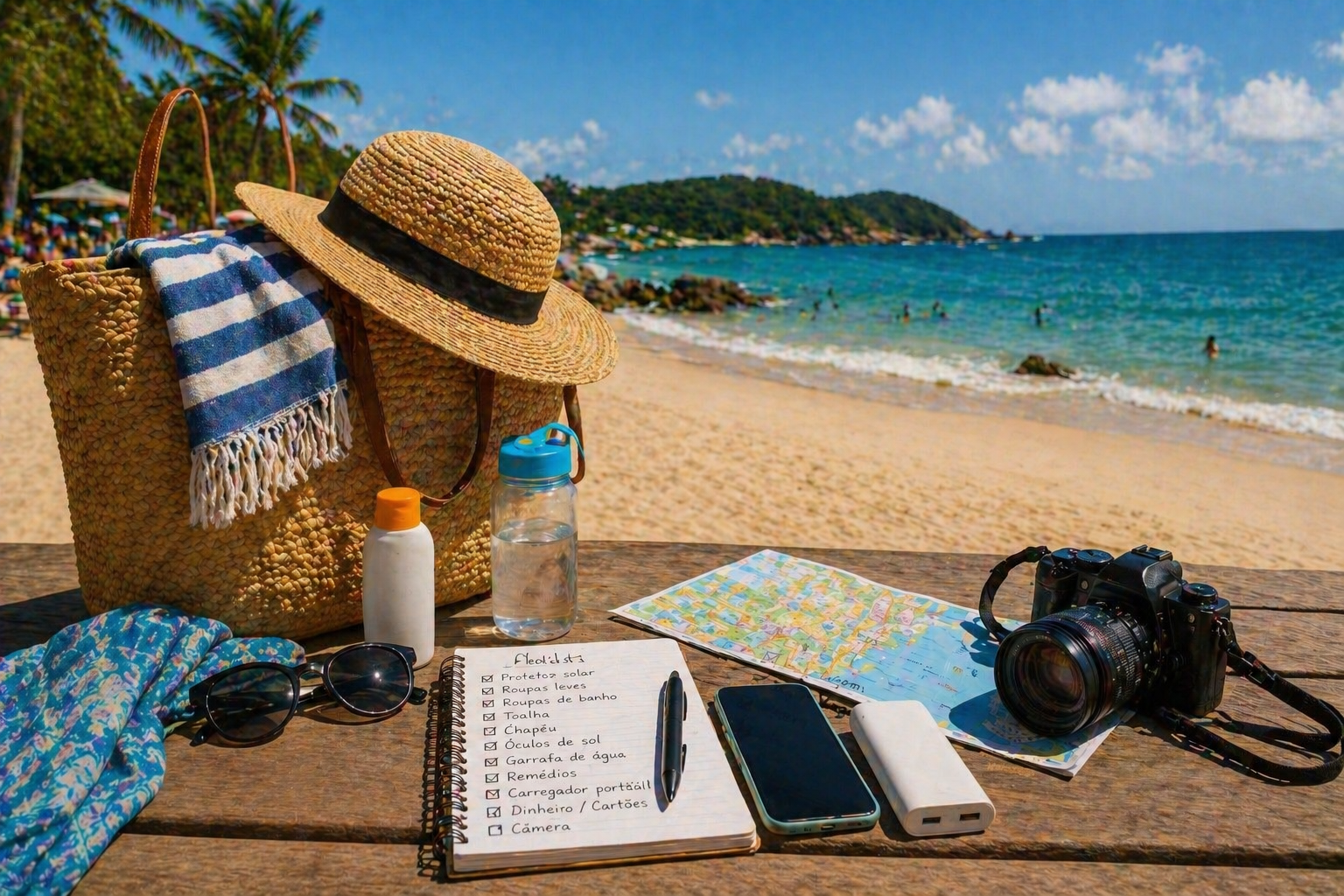
A beach trip is one of the most relaxing and enjoyable ways to travel. The sound of the waves, warm sand, fresh air, beautiful sunsets, and slower rhythm can create the perfect break from routine. But even a simple beach vacation becomes much better with good planning.
Many people imagine that a beach trip requires little organization. In some ways, it can be simpler than other types of travel. However, choosing the right destination, packing properly, checking the weather, organizing transportation, and planning your days can make the difference between a stressful trip and a peaceful one.
A great beach trip is not only about reaching the sea. It is about creating the right conditions to enjoy it fully.
Choose the Right Beach Destination
Not all beach destinations offer the same experience. Some are calm and ideal for rest. Others are busy, full of restaurants, nightlife, tours, and activities. Some beaches are perfect for families, while others are better for couples, surfers, nature lovers, or travelers who enjoy lively places.
Before choosing, think about the kind of beach trip you want. Do you want silence and relaxation? Do you want beach clubs and entertainment? Do you want clear water and snorkeling? Do you want waves for surfing? Do you want a destination with easy access and good infrastructure?
Research the beach conditions too. Some beaches have calm water, while others have strong waves or currents. Some are easy to reach, while others require trails, boats, or long drives.
The best beach destination is the one that matches your travel style and comfort level.
Check the Best Time to Go
Weather is especially important for a beach trip. Rain, wind, cold water, or extreme heat can affect your experience.
Before booking, research the best months to visit. Check rainy seasons, hurricane or storm periods when relevant, average temperatures, water conditions, and crowd levels.
High season often brings sunnier weather and more services, but also higher prices and crowded beaches. Low season may be quieter and cheaper, but the weather can be less predictable. Shoulder season can be a good balance, offering pleasant weather and fewer tourists.
If your goal is to swim, sunbathe, or take boat tours, weather matters a lot. Choosing the right season helps you enjoy the destination with fewer surprises.
Pick Accommodation Near the Beach or Services
Location is one of the most important decisions for a beach trip. Staying close to the beach can make the experience more relaxing because you can walk easily, return to your room during the day, and avoid carrying many things for long distances.
However, beachfront accommodation can be more expensive. If your budget is limited, look for places a short walk from the beach or near public transportation.
Also consider nearby services. Restaurants, markets, pharmacies, and transportation options can make the trip more convenient. If you are traveling with children or older adults, proximity becomes even more valuable.
A beautiful hotel far from the beach may not be practical if your main goal is to spend time by the sea.
Pack Light Beach Clothing
Beach trips usually call for comfortable, breathable clothing. Pack light pieces that dry quickly and work well in warm weather.
Useful items include swimwear, shorts, light shirts, dresses, sandals, beach cover-ups, pajamas, and comfortable clothes for evenings. If the destination has cooler nights, bring a light jacket or sweater.
Choose clothes that combine easily. Beach travel does not usually require many formal outfits unless you plan special dinners or events.
Avoid overpacking. Beach trips are often more enjoyable when your luggage is simple and easy to manage.
Bring Essential Sun Protection
Sun protection is one of the most important parts of beach travel. Long hours outdoors can lead to sunburn, dehydration, and discomfort if you are not careful.
Pack sunscreen suitable for your skin, sunglasses, a hat, and light clothing that protects your shoulders when needed. Reapply sunscreen during the day, especially after swimming or sweating.
Try to avoid long exposure during the strongest sun hours. Early morning and late afternoon are often more comfortable for walking, swimming, and taking photos.
Protecting yourself from the sun helps you enjoy every day of the trip without painful interruptions.
Prepare a Practical Beach Bag
A good beach bag makes your day easier. It should be light, comfortable to carry, and big enough for essentials.
You may include sunscreen, sunglasses, towel, water bottle, snacks, book, phone, portable charger, small amount of money, room key, and a dry bag or pouch for wet items.
Avoid carrying too many valuables to the beach. Sand, water, crowds, and distractions can increase the risk of losing things.
If you plan to spend many hours outside, bring only what you truly need. A practical beach bag keeps the experience simple and relaxed.
Plan Meals and Hydration
Beach days can make you hungry and thirsty quickly. Heat, swimming, walking, and sun exposure all increase the need for water and good meals.
Check whether there are restaurants, kiosks, cafés, or markets near the beach. Some beaches have many options, while others have very limited services.
Carry water and simple snacks when appropriate. Fruit, sandwiches, crackers, or nuts can help during long beach days.
If your accommodation has a kitchen, preparing some simple meals can save money. If breakfast is included, take advantage of it before heading out.
Good hydration and meal planning help keep your energy stable.
Respect Beach Safety Rules
Beach safety should always be taken seriously. Before swimming, observe the sea conditions. Look for warning flags, signs, lifeguard areas, currents, rocks, and local instructions.
If you are not familiar with the beach, ask local staff or lifeguards about safe swimming areas. Some beaches look calm but may have strong currents.
Do not swim alone in isolated areas, especially if the sea is rough. Be extra careful with children and inexperienced swimmers.
Also protect your belongings. Keep bags close, avoid leaving valuables unattended, and use waterproof pouches when useful.
A safe beach day is much more enjoyable.
Plan Activities Beyond the Sand
A beach trip does not have to be only about lying on the sand. Many coastal destinations offer activities such as boat tours, snorkeling, kayaking, surfing lessons, coastal walks, local markets, seafood restaurants, viewpoints, historical centers, and nature trails.
Research options before the trip, but do not overload your itinerary. Choose a few activities that match your interests.
It is also wise to plan alternatives for rainy days. Museums, cafés, local shops, cultural centers, spas, or scenic drives can help if the weather changes.
Having options keeps the trip interesting without making it too busy.
Wake Up Early at Least Once
Beach destinations can be especially beautiful early in the morning. The light is soft, the temperature is pleasant, and the beach is often quieter.
Wake up early at least once to walk by the water, take photos, watch the sunrise, or simply enjoy the calm atmosphere.
Even if you prefer slow mornings, one early beach experience can become a memorable part of the trip.
Morning beach time often feels peaceful in a way that crowded afternoon hours do not.
Leave Room for Rest
A beach trip should include rest. It can be tempting to fill every day with tours, restaurants, and activities, but the beach itself invites a slower rhythm.
Plan time to do less. Sit by the water, read, nap, walk without a schedule, or watch the sunset.
Rest is not wasted time on a beach trip. It is part of the experience.
A good beach vacation should help you return home feeling lighter, not exhausted.
Care for the Environment
Beautiful beaches need responsible visitors. Always take your trash with you, avoid leaving plastic behind, and respect local rules.
Do not remove shells, coral, plants, or animals from protected areas. Avoid stepping on reefs and follow instructions during boat tours or snorkeling activities.
Use refillable bottles when possible and choose responsible tour operators that respect marine life.
Caring for the beach helps preserve it for local communities, wildlife, and future travelers.
Make the Most of the Coastal Atmosphere
The beach is not only a place to swim. It is an atmosphere. Enjoy the sounds, colors, food, breeze, sunsets, and slower pace.
Try local seafood or regional dishes if you enjoy them. Walk through coastal streets. Visit a viewpoint. Talk to local people respectfully. Watch boats come and go. Notice how life moves near the sea.
These simple experiences can make the trip feel richer and more personal.
A great beach trip is built from both big views and small moments.
Enjoy the Sea With Simplicity
Planning a beach trip does not need to be complicated. Choose a destination that matches your style, check the best season, book practical accommodation, pack light clothes, protect yourself from the sun, prepare a beach bag, and respect safety rules.
Leave space for rest, simple pleasures, and unexpected discoveries.
The best beach trips often feel effortless, but that ease usually comes from thoughtful preparation. When the basics are organized, you can focus on what matters most: relaxing by the sea, enjoying the moment, and creating memories under the sun.