
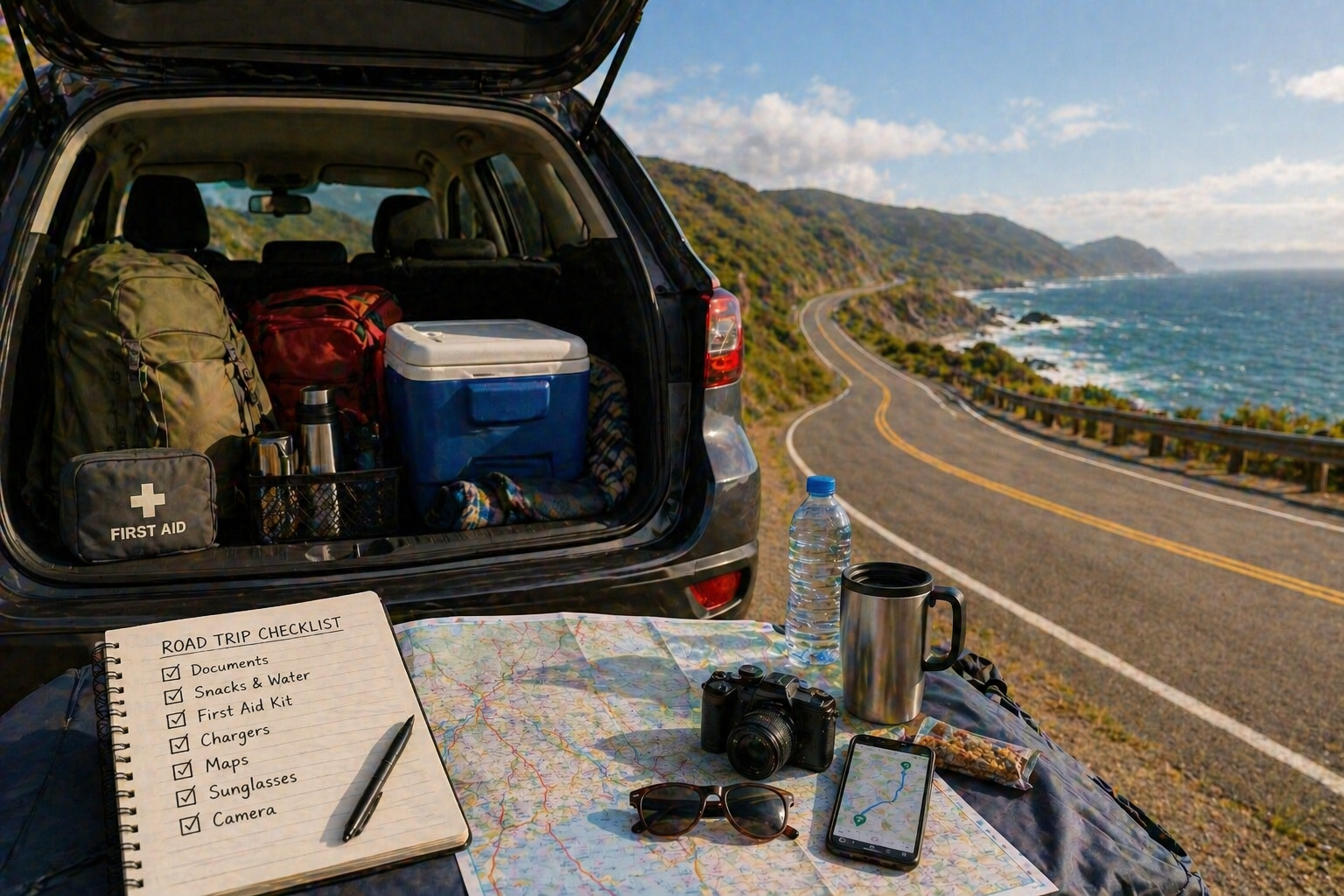
A road trip can be one of the most enjoyable ways to travel. It gives you freedom, flexibility, and the chance to discover places that are often missed when traveling by plane or train. Scenic routes, small towns, roadside restaurants, viewpoints, and spontaneous stops can turn the journey itself into one of the best parts of the trip.
However, a good road trip needs preparation. Long hours on the road, changing weather, traffic, luggage, fuel stops, and vehicle conditions can affect the experience. Without planning, what should feel adventurous can quickly become stressful.
Preparing well does not remove the freedom of the road. It simply gives you a safer and more comfortable base for enjoying the journey.
Choose a Realistic Route
The first step is choosing a route that fits your time, energy, and travel style. A road trip should not feel like a race from one point to another.
Look at the total distance and estimate how many hours you will drive each day. Remember that map apps often show driving time without considering fuel stops, meals, traffic, bathroom breaks, scenic stops, or fatigue.
For a more enjoyable trip, avoid planning too many long driving days in a row. If the route is very long, divide it into sections and include overnight stops.
Also think about the type of road. Mountain roads, coastal routes, rural areas, and highways all create different driving experiences.
A realistic route helps you enjoy the journey instead of simply surviving it.
Check Your Vehicle Before Leaving
Vehicle preparation is essential for a road trip. Even if your car seems fine, it is worth checking important items before departure.
Look at tires, oil, brakes, lights, windshield wipers, battery, coolant, spare tire, and fuel level. If the trip is long, consider taking the car to a mechanic for a basic inspection.
Make sure documents, insurance, and any required permits are up to date. If you are renting a car, inspect it before leaving the rental location and understand the insurance conditions.
A well-prepared vehicle reduces the risk of problems on the road and gives you more peace of mind.
Plan Fuel Stops
Fuel planning is especially important when driving through rural areas, mountains, long highways, or regions with limited services.
Do not wait until the tank is almost empty to look for fuel. When driving in unfamiliar areas, fill up earlier than you normally would.
Use maps to identify gas stations along the route, especially before long stretches. If you are driving an electric vehicle, research charging stations carefully and confirm whether they are compatible and available.
Fuel stops are also good opportunities to stretch, use the restroom, buy water, and check the route.
Planning them keeps the trip safer and more comfortable.
Prepare a Road Trip Budget
Road trips can seem cheaper than other types of travel, but costs can add up quickly. Fuel, tolls, parking, accommodation, meals, snacks, vehicle maintenance, rental fees, insurance, and attractions should all be considered.
Create a simple budget before leaving. Estimate the distance, fuel consumption, tolls, daily food costs, overnight stays, and emergency reserve.
If traveling with others, decide how shared expenses will be divided. Clear agreements prevent awkward conversations later.
A realistic budget helps you enjoy the freedom of the road without financial surprises.
Pack Smart and Keep Essentials Accessible
Packing for a road trip is different from packing for a flight. You may have more space, but that does not mean you should bring everything.
Pack clothes according to the weather, destination, and activities. Keep luggage organized so you do not need to unpack the entire car at every stop.
Essential items should be easy to reach. These may include documents, phone charger, water, snacks, medicine, sunglasses, tissues, hand sanitizer, jacket, wallet, and travel confirmations.
A small bag inside the car can hold what you need during the drive, while larger luggage stays in the trunk.
Good organization makes stops and overnight stays much easier.
Bring Snacks and Water
Snacks and water are road trip essentials. They help during long stretches, unexpected traffic, closed restaurants, or moments when you do not want to stop.
Choose snacks that are easy to eat, not too messy, and suitable for the temperature inside the car. Fruit, crackers, sandwiches, nuts, cereal bars, and simple homemade snacks can work well.
Bring enough water for everyone, especially in hot weather or remote areas.
Having food and water available helps keep energy stable and reduces unnecessary stops.
Download Offline Maps
Internet signal may not be reliable on every road. Rural areas, mountains, forests, and remote regions can have weak or no mobile coverage.
Before leaving, download offline maps of your route and destination. Save accommodation addresses, gas stations, restaurants, attractions, and emergency contacts.
It is also useful to have a general idea of the route instead of depending completely on navigation apps.
Technology is helpful, but preparation keeps you from feeling lost if the signal disappears.
Plan Rest Stops
Driving for many hours without breaks is tiring and can become unsafe. Plan regular stops to stretch, walk, use the restroom, eat, and rest your eyes.
A short break can improve attention and mood. If you are traveling with children, older adults, or pets, stops become even more important.
Look for safe rest areas, gas stations, scenic viewpoints, small towns, or roadside cafés.
A road trip is not only about reaching the destination. Stops are part of the experience.
Avoid Driving Too Tired
Fatigue is one of the biggest risks on a road trip. Long drives, early departures, heavy meals, heat, and monotonous highways can make drivers sleepy.
Sleep well before the trip. If possible, share driving responsibilities with another licensed and rested person. Avoid driving late at night if you are not comfortable or alert.
If you feel sleepy, stop in a safe place. Stretch, drink water, rest, or take a short nap if needed.
No schedule is worth risking safety.
Prepare Entertainment
Entertainment can make long drives more enjoyable. Create playlists, download podcasts, audiobooks, or music before leaving.
If traveling with children, prepare games, books, downloaded movies, coloring materials, or simple road trip activities.
Group conversations, travel games, and scenic observation can also make the journey more memorable.
Entertainment helps pass time, but avoid anything that distracts the driver. Safety always comes first.
Check Weather and Road Conditions
Weather can affect road trips significantly. Rain, fog, snow, strong wind, heat, or storms may change driving conditions and travel time.
Check the forecast before departure and during the trip. Also research road conditions, construction, closures, and traffic updates.
If the weather becomes dangerous, adjust your plan. Delay departure, choose another route, or stop overnight if necessary.
Flexibility is part of safe road travel.
Choose Accommodation Along the Route
If your road trip includes overnight stops, choose accommodation carefully. Look for places with convenient location, parking, good reviews, comfortable beds, and easy check-in.
For long routes, staying close to the main road may be practical. For scenic trips, choosing a small town or interesting stop can make the journey more enjoyable.
Avoid planning to arrive too late if possible. Driving tired and checking in at night can make the trip more stressful.
A good overnight stop helps everyone recover for the next day.
Keep the Car Comfortable
Since you will spend many hours inside the car, comfort matters. Adjust seats, temperature, music volume, and luggage placement before leaving.
Keep the interior clean and organized. Use small bags for trash, snacks, cables, and personal items. Avoid placing loose objects where they can fall or distract the driver.
Bring a light jacket or blanket if passengers may feel cold. Sunglasses can help the driver and passengers during bright hours.
A comfortable car makes long distances easier.
Prepare for Emergencies
You do not need to travel with fear, but it is smart to prepare for unexpected situations.
Keep emergency contacts, insurance information, roadside assistance details, and important documents accessible. Have a basic kit with a flashlight, first-aid items, water, phone charger, and any tools recommended for your vehicle.
If driving in remote areas, consider extra water, a power bank, and additional supplies.
Knowing what to do in case of a flat tire, breakdown, or delay gives you more confidence.
Respect Local Rules
Driving rules can vary depending on the region or country. Speed limits, toll systems, parking rules, road signs, and safety requirements may be different from what you are used to.
Research local driving rules before departure, especially if you are renting a car or traveling to another country or state.
Respect speed limits, signs, and road conditions. Avoid aggressive driving and be patient with local traffic patterns.
Responsible driving protects you, your passengers, and others on the road.
Leave Space for Spontaneous Stops
One of the best parts of a road trip is the freedom to stop along the way. A viewpoint, local restaurant, small town, farm shop, waterfall, beach, or roadside attraction can become a highlight.
Do not plan the route so tightly that there is no room for discovery.
Leave extra time for spontaneous moments. They often make the trip feel more personal and memorable.
A road trip should include both planning and surprise.
Travel at a Comfortable Pace
A road trip becomes more enjoyable when the pace is comfortable. Avoid trying to cover too much distance every day.
Give yourself time to enjoy the route, rest properly, and arrive without feeling exhausted.
If you realize the plan is too ambitious, adjust it. Skip a stop, stay longer somewhere, or simplify the route.
The best road trips are not always the longest ones. They are the ones that feel balanced.
Enjoy the Journey, Not Only the Destination
Preparing for a road trip means thinking about the route, vehicle, budget, stops, safety, comfort, and flexibility. Check the car, plan fuel and rest stops, pack essentials, download maps, and avoid driving too tired.
A road trip is special because the journey becomes part of the adventure. The landscapes, conversations, music, small discoveries, and unexpected stops all shape the experience.
When you prepare well, you can relax more and enjoy the freedom of the road with confidence.