
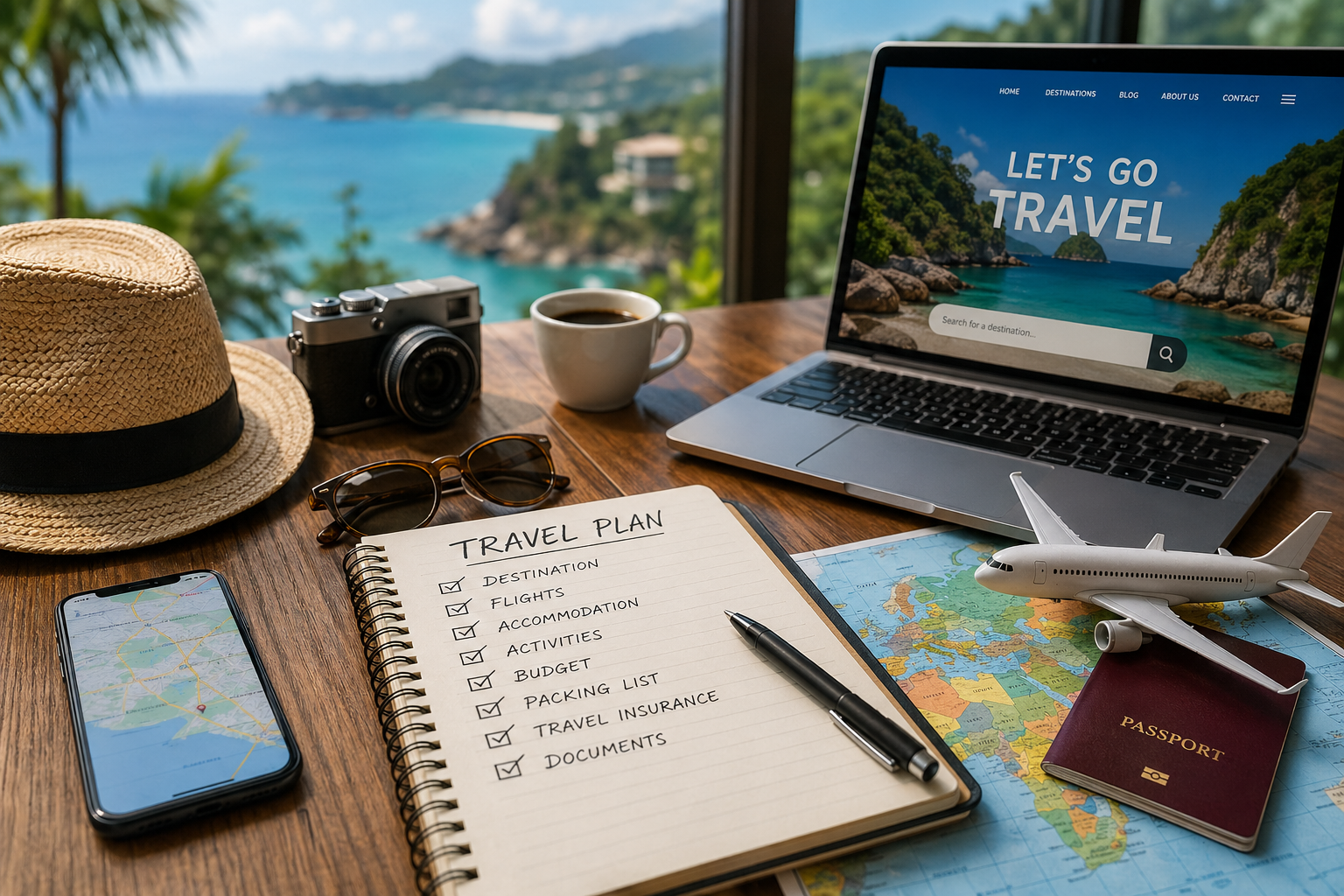
Planning a trip from scratch can feel exciting and overwhelming at the same time. There are destinations to compare, dates to choose, reservations to organize, documents to check, and a budget to respect. For many travelers, the hardest part is not the trip itself, but knowing where to begin.
The good news is that travel planning does not have to be complicated. With a clear step-by-step approach, you can turn a simple travel idea into a well-organized experience. Whether you are planning a short weekend getaway, a family vacation, a romantic escape, or your first big adventure, the process becomes much easier when you divide it into smaller decisions.
A good trip starts before you pack your bags. It begins with research, realistic expectations, and a plan that fits your time, money, and travel style.
Start With the Purpose of Your Trip
Before choosing a destination, ask yourself why you want to travel. This simple question helps guide almost every decision that comes after.
Some people travel to rest. Others want adventure, culture, nature, food, family time, or a complete change of scenery. A person looking for quiet days by the beach will probably plan a very different trip from someone who wants museums, nightlife, hiking trails, or historical tours.
Defining the purpose of your trip also helps avoid frustration. Sometimes travelers choose a popular destination just because everyone talks about it, but later realize it does not match what they wanted.
Think about the kind of experience you want to have. Do you want to relax, explore, learn, celebrate, reconnect with someone, or simply break your routine? Once you understand your main goal, the rest of the planning becomes more natural.
Choose a Destination That Matches Your Reality
After deciding the purpose of your trip, it is time to choose a destination. This is one of the most enjoyable parts of planning, but it should also be done with attention.
A good destination is not only beautiful or famous. It also needs to match your budget, available time, travel experience, health conditions, group profile, and personal preferences.
For example, if you only have three days, choosing a destination that requires long flights, multiple connections, or complicated transfers may make the trip tiring. If you are traveling with children or older relatives, a place with easy transportation and comfortable accommodation may be better than a destination that demands intense walking every day.
Research the climate, local customs, transportation options, average costs, and main attractions. Look for information from different sources, such as travel blogs, official tourism websites, maps, and recent traveler reviews.
The best destination is the one that fits your moment, not necessarily the one that appears most often on social media.
Set a Realistic Budget
Money is one of the most important parts of travel planning. A realistic budget helps you enjoy the trip with more peace of mind and fewer surprises.
Start by listing the main expenses:
Accommodation
Transportation
Food
Tours and attractions
Travel insurance
Documents or entry fees
Local transportation
Souvenirs and extra purchases
Emergency reserve
Many people only calculate flights and hotels, but forget daily expenses. This can create stress during the trip. A museum ticket, a taxi ride, a snack at the airport, or a last-minute purchase may seem small, but together they can affect the final cost.
It is also wise to create a small emergency reserve. This money can be useful if plans change, if transportation is delayed, if you need medicine, or if an unexpected expense appears.
A good budget does not mean spending as little as possible. It means understanding how much you can spend and making choices that respect that limit.
Decide the Best Travel Dates
Choosing the right travel dates can make a big difference in your experience. Prices, weather, crowds, and availability can change depending on the season.
High season usually means more tourists, higher prices, and busier attractions. On the other hand, it may also offer better weather, more events, and more tourism services available.
Low season can be cheaper and quieter, but some attractions may have reduced hours, and the weather may not be ideal. The shoulder season, which is the period between high and low season, can be a good balance for many travelers.
Before confirming your dates, check holidays, local events, school vacation periods, and weather patterns. A destination may be perfect in one month and much less enjoyable in another.
Also consider your personal rhythm. Some people prefer traveling during busy festive periods. Others enjoy calm streets, quieter restaurants, and less crowded attractions.
Build a Simple Itinerary
An itinerary helps organize your days, but it should not turn your trip into a strict obligation. The goal is to create direction, not pressure.
Start by listing the places you most want to visit. Then group attractions by location. This avoids wasting time crossing the city several times in one day.
For each day, choose one or two main activities and leave space for meals, rest, transportation, and spontaneous discoveries. Trying to visit too many places in a short time can make the trip exhausting.
A balanced itinerary usually includes:
Main attractions
Free time
Meal breaks
Rest periods
Flexible alternatives
Travel time between places
Remember that real travel is different from planning on paper. Lines, traffic, rain, tiredness, and unexpected discoveries can change your schedule. A flexible itinerary helps you enjoy the trip even when something does not go exactly as planned.
Book Accommodation With Care
Accommodation has a strong impact on the quality of your trip. A beautiful hotel far from everything may not be practical. A cheaper place may become expensive if you spend too much on transportation.
When choosing where to stay, consider location, safety, comfort, reviews, cancellation policy, and access to transportation. Look at the map before booking. Check how far the accommodation is from the places you want to visit.
Read recent reviews carefully. Pay attention to comments about cleanliness, noise, service, internet, breakfast, and the surrounding area. One negative review does not always mean the place is bad, but repeated complaints should be taken seriously.
Also think about your travel style. If you want to rest, comfort may be a priority. If you plan to spend most of the day exploring, a simple but well-located place may be enough.
Organize Transportation in Advance
Transportation can include flights, buses, trains, car rental, transfers, taxis, public transportation, or walking routes. Understanding how you will move around helps avoid confusion.
Before the trip, research how to get from the airport or bus station to your accommodation. Check if public transportation is easy to use, if ride apps work in the area, or if it is better to arrange a transfer.
For longer trips, compare transportation options. Sometimes a flight is faster, but a train or bus may be cheaper and more scenic. In other cases, renting a car may offer more freedom, especially in places with limited public transportation.
If you plan to drive, check parking availability, local traffic rules, road conditions, and fuel costs. Driving in an unfamiliar destination can be convenient, but it also requires preparation.
Prepare Your Documents
Documents are essential for a smooth trip. Even for domestic travel, it is important to check identification, tickets, reservations, and any required authorizations.
For international travel, verify passport validity, visa requirements, travel insurance rules, vaccination certificates, and entry conditions. Requirements can vary depending on your nationality and destination.
Keep digital and printed copies of important documents. Store them in a safe place and make sure you can access them even without internet.
Useful documents may include:
Identification document
Passport
Visa, when required
Accommodation confirmation
Transportation tickets
Travel insurance policy
Emergency contacts
Copies of important reservations
Organizing documents early prevents last-minute stress and gives you time to solve any problem before departure.
Make a Practical Packing List
Packing becomes easier when you know your destination, climate, activities, and length of stay. Avoid packing based only on what you might use. Focus on what you will probably need.
Start with essential items: clothes, shoes, personal hygiene products, chargers, medicine, documents, and accessories suitable for the weather.
Choose clothes that combine with each other. This allows you to create different outfits with fewer pieces. Comfortable shoes are especially important, because travel often involves more walking than expected.
Also consider the type of accommodation. Some places provide towels, hairdryers, or laundry service. Others may not. Checking this in advance helps you avoid unnecessary luggage.
A lighter suitcase makes the trip more practical, especially when you need to move between cities, use stairs, take public transportation, or walk longer distances.
Plan Your Meals Without Overcomplicating
Food is an important part of the travel experience. You do not need to plan every meal, but it helps to research some options before arriving.
Look for restaurants near your accommodation, attractions, and transportation points. Save a few places on your map, including affordable options. This is useful when you are tired, hungry, or in an unfamiliar area.
If you have dietary restrictions, research how to communicate them in the local language when necessary. Also check if your accommodation has breakfast, a kitchen, or nearby markets.
Trying local food can make your trip more memorable. However, balance special meals with simple choices. Not every meal needs to be expensive or carefully planned.
Leave Room for Flexibility
One of the biggest mistakes in travel planning is trying to control every minute. A good plan should guide you, but not limit you.
Some of the best travel moments happen unexpectedly: a quiet street, a local café, a beautiful sunset, a conversation, a small shop, or a place you discover while walking.
Leave free time in your itinerary. Avoid scheduling activities too close together. Give yourself permission to change plans if you feel tired or find something more interesting.
Flexibility does not mean lack of organization. It means having enough structure to feel secure and enough freedom to enjoy the journey.
Travel With More Confidence
Planning a trip from scratch becomes much easier when you follow a logical order. First, understand the purpose of your trip. Then choose a destination, define your budget, select your dates, organize your itinerary, book accommodation, prepare transportation, check documents, and pack with intention.
The secret is not to make the perfect plan. The secret is to create a plan that helps you travel with more confidence and less stress.
Every trip teaches something. With each experience, you become better at choosing destinations, organizing time, managing money, and understanding your own travel style.
A well-planned trip allows you to focus less on problems and more on what really matters: discovering new places, enjoying meaningful experiences, and creating memories that stay with you long after you return home.