
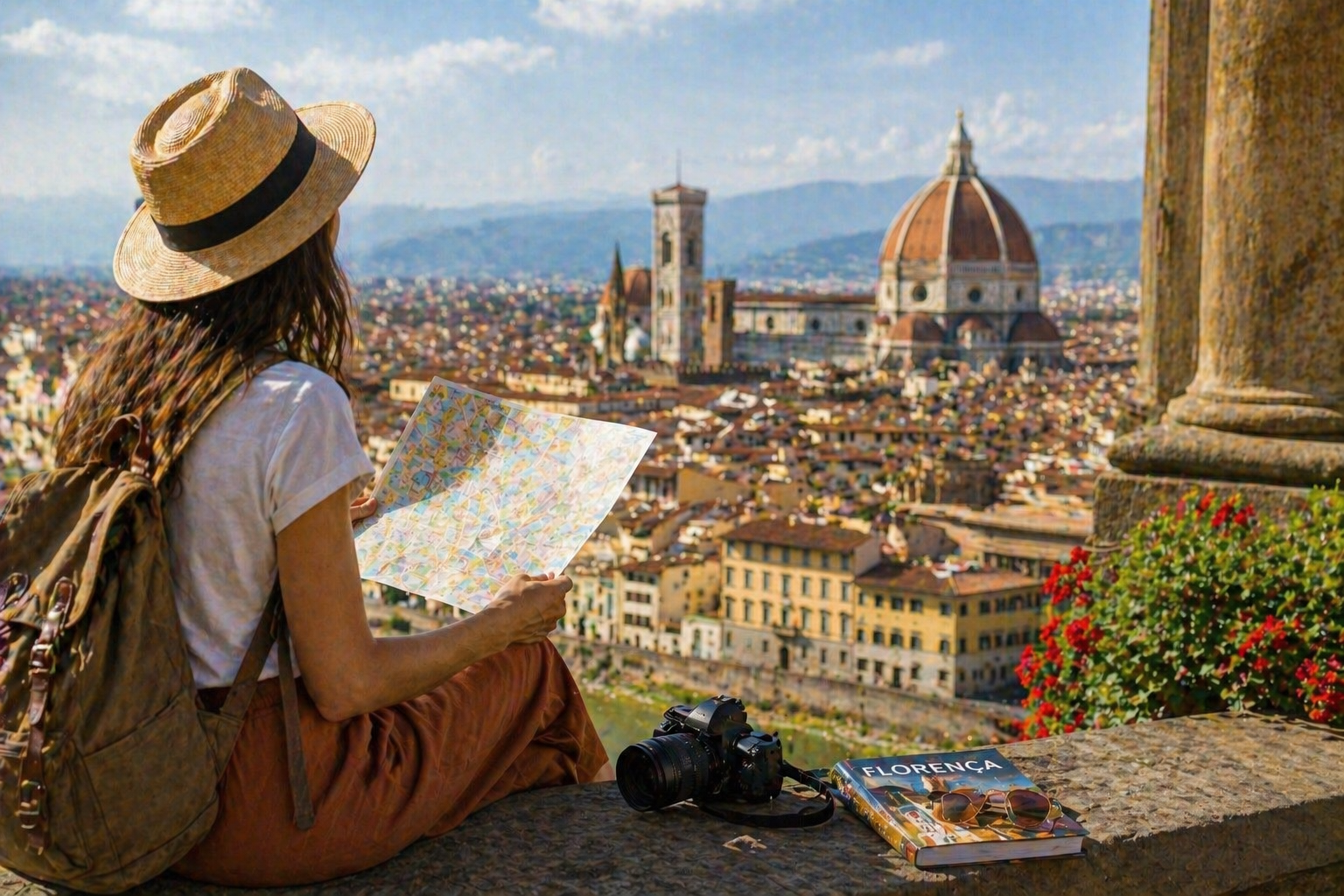
Tourist attractions are often among the most anticipated parts of a trip. Museums, monuments, viewpoints, historic streets, parks, castles, beaches, churches, markets, and famous landmarks can make a destination feel unforgettable. But many travelers make the same mistake: they try to visit too many places too quickly.
When you rush through attractions, the trip can become tiring and less meaningful. You may take photos, check places off a list, and move on without really absorbing what you saw. A slower approach often creates a much richer travel experience.
Enjoying tourist attractions without rushing does not mean seeing less in a negative way. It means giving each experience enough attention to become memorable.
Choose the Attractions That Truly Matter to You
Not every famous attraction needs to be part of your itinerary. Some places are popular for a reason, but that does not mean they match your interests.
Before your trip, make a list of attractions that catch your attention. Then ask yourself why you want to visit each one. Are you interested in its history, beauty, architecture, nature, cultural value, or simply because everyone says you should go?
This reflection helps you choose better. If you love art, a museum may deserve several hours. If you prefer outdoor experiences, a park or viewpoint may matter more. If you enjoy local culture, markets and neighborhoods may be more meaningful than monuments.
When you choose attractions intentionally, you naturally feel less pressure to rush.
Limit the Number of Major Attractions Per Day
One of the best ways to avoid rushing is to limit how many major attractions you visit in one day. A full day with five or six important places may sound efficient, but it can quickly become exhausting.
Instead, choose one or two main attractions per day. Add smaller nearby experiences only if there is enough time and energy.
For example, you might spend the morning at a museum, have lunch nearby, walk through the surrounding neighborhood, and finish the day at a viewpoint. This creates a complete day without turning it into a race.
Major attractions deserve time. They often include lines, walking, exhibits, viewpoints, shops, cafés, or surrounding areas worth exploring.
Research Before You Arrive
A little research can make an attraction much more interesting. When you understand the history, purpose, or cultural meaning of a place, you appreciate it more deeply.
Before visiting, read a short guide, watch a documentary clip, listen to a podcast, or check the official website. You do not need to study extensively. Even a basic understanding helps.
If you are visiting a historic building, learn who built it and why it matters. If you are going to a museum, check the most important collections. If you are visiting a natural site, learn about the landscape, wildlife, or conservation rules.
Research turns sightseeing into understanding.
Buy Tickets in Advance When Possible
Long lines can create stress and reduce the time you actually spend enjoying an attraction. For popular places, buying tickets in advance can be a smart decision.
Many attractions offer timed entry, online tickets, guided visits, or skip-the-line options. These can help you organize your day better.
However, do not book attractions too close together. If one visit takes longer than expected, you may feel pressured to leave early to reach the next reservation.
Advance booking works best when it gives you peace of mind, not when it makes your schedule too rigid.
Visit at Quieter Times
Crowds can make attractions feel rushed, even when you planned enough time. If possible, visit popular places during quieter periods.
Early morning is often a good option. Late afternoon may also be calmer in some destinations. Weekdays are usually less crowded than weekends, depending on the attraction.
Shoulder season can also provide a more peaceful experience than peak tourist months.
When there are fewer people, you can walk slowly, take photos calmly, read information signs, and enjoy the atmosphere without feeling pushed along.
A quieter visit often feels more personal.
Give Yourself Permission to Stay Longer
Sometimes travelers feel they must keep moving because the itinerary says so. But if you are enjoying a place, it is okay to stay longer.
Maybe a museum exhibit is more interesting than expected. Maybe the view is beautiful. Maybe the garden is peaceful. Maybe the atmosphere of a historic square invites you to sit and observe.
A good itinerary should support your experience, not interrupt it.
If a place feels meaningful, allow yourself to remain there. You can always skip something less important later.
Travel becomes richer when you follow your attention.
Avoid Turning Every Visit Into a Photo Session
Photos are wonderful, but they can also make you rush without noticing. Some travelers move from one photo spot to another without really experiencing the attraction.
Take photos, but also put the camera or phone away for a while. Look at details. Notice sounds, textures, colors, light, and movement. Read signs. Sit down. Walk without recording everything.
A photo can help you remember a place, but presence helps you feel it.
Try taking a few intentional photos instead of dozens of rushed ones. This makes the experience calmer and more meaningful.
Read the Information Available
Many attractions provide signs, brochures, maps, audio guides, or exhibitions that explain what you are seeing. Taking time to read or listen can completely change your visit.
Without context, a building may look beautiful but distant. With context, it becomes part of a story.
Museums, historical sites, cultural centers, national parks, and monuments often offer information that helps visitors understand the importance of the place.
Do not feel the need to read every word. Choose what interests you and engage with it.
Understanding creates connection.
Take Breaks During Longer Visits
Some attractions require a lot of walking or attention. Large museums, theme parks, historic centers, gardens, and natural parks can become tiring.
Instead of pushing through until exhaustion, take small breaks. Sit on a bench, drink water, have a snack, visit a café, or rest in a shaded area.
Breaks help you enjoy the rest of the visit more. They also prevent the attraction from becoming overwhelming.
If you are traveling with children, older adults, or a group, breaks are even more important.
A slower rhythm often creates a better experience for everyone.
Explore the Surrounding Area
Tourist attractions are often located in interesting neighborhoods or landscapes. Do not visit only the main site and leave immediately.
After seeing the attraction, explore the surrounding streets, parks, cafés, shops, or viewpoints. Sometimes the area around a landmark reveals more about the destination than the attraction itself.
A famous church may be surrounded by a lively square. A museum may be near a quiet garden. A castle may offer beautiful walking paths. A market may lead to traditional streets.
Giving time to the surrounding area makes the visit feel complete.
Use Guided Tours When They Add Value
A guided tour can help you slow down and understand what you are seeing. A good guide tells stories, explains details, and points out things you might miss alone.
Guided tours are especially useful in historical sites, museums, old towns, archaeological areas, and culturally complex places.
Choose tours that match your interests and preferred pace. Some tours are fast and crowded, while others are small and more thoughtful.
If you prefer independence, audio guides can also be helpful.
Guidance can turn a simple visit into a deeper experience.
Avoid Comparing Your Visit to Others
Social media can create pressure to visit attractions in a certain way. You may feel that you need the same photos, the same route, or the same “must-see” list as other travelers.
But your trip is yours. You may spend three hours in a small museum and skip a famous viewpoint. You may love a quiet garden more than a crowded monument. You may prefer sitting in a square to entering every building.
There is no single correct way to enjoy an attraction.
Travel feels better when you stop performing and start experiencing.
Be Present With the People Traveling With You
If you are traveling with family, friends, or a partner, tourist attractions can become shared memories. But rushing can reduce connection.
Take time to talk about what you are seeing. Ask what others liked. Share impressions. Laugh, observe, and move together at a comfortable pace.
If people in the group have different interests, balance the visit. Some may want to read every sign, while others prefer walking and observing. Respecting different rhythms helps avoid tension.
The attraction is important, but the shared experience matters too.
Respect the Place
Enjoying attractions slowly also means respecting them. Follow rules, stay on marked paths, avoid touching protected objects, speak quietly where appropriate, and do not block others for photos.
In religious, historical, or memorial sites, be especially mindful. These places may have deep meaning for local people.
Respect also includes caring for nature. Do not leave trash, disturb wildlife, remove plants, or ignore safety signs.
Responsible tourism helps preserve attractions for future visitors and local communities.
Leave Space After the Visit
After visiting an important attraction, avoid immediately rushing to the next activity. Give yourself a little time to absorb the experience.
You might sit in a nearby café, walk slowly, write a few notes, or simply talk about what you saw.
This pause helps the memory settle. It also makes the day feel less mechanical.
Travel is not only about seeing. It is also about processing and appreciating.
Enjoy More by Doing Less
To enjoy tourist attractions without rushing, choose carefully, plan realistically, visit at better times, take breaks, and give each place the attention it deserves.
A slower visit often teaches more, feels calmer, and creates stronger memories.
You do not need to see every famous place to have a meaningful trip. You need to be present in the places you choose.
When you travel with more attention and less hurry, attractions become more than stops on an itinerary. They become experiences you truly remember.