
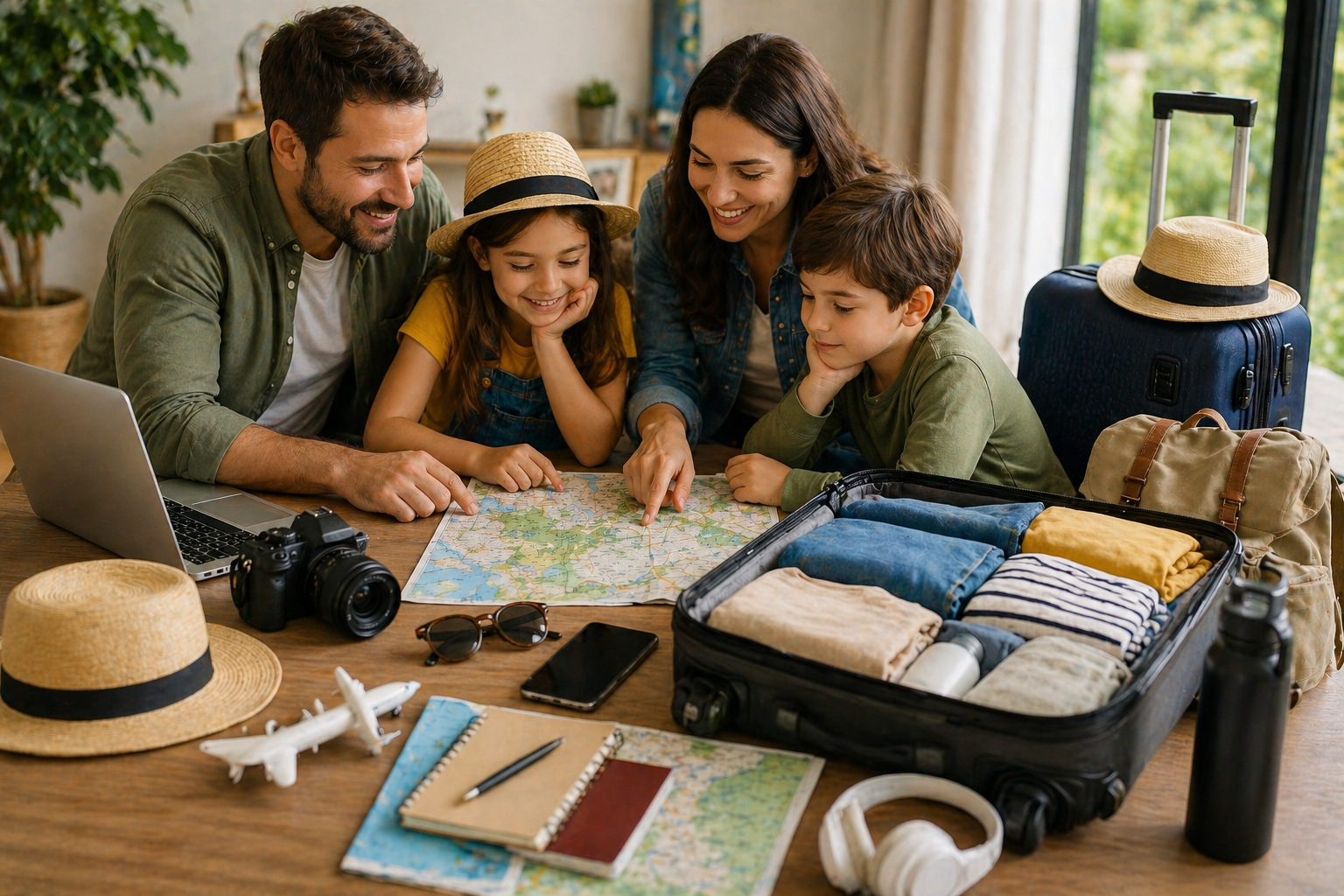
Planning a family trip can be one of the most rewarding travel experiences. It is a chance to spend quality time together, discover new places, create memories, and step away from the daily routine. At the same time, family travel requires more organization than many other types of trips.
When more people are involved, there are more needs to consider. Children may need rest breaks, older relatives may need comfort and accessibility, and adults may have different expectations about activities, food, budget, and pace. A successful family trip depends on balance.
The good news is that family travel does not need to be complicated. With thoughtful planning, realistic expectations, and a flexible itinerary, you can create a trip that is enjoyable for everyone.
Start With a Family Conversation
Before choosing the destination or booking anything, talk with the people who will travel with you. Even a simple conversation can help avoid misunderstandings later.
Ask what each person expects from the trip. Some may want rest, while others may prefer adventure. Some may dream of the beach, while others may enjoy museums, nature, shopping, or local food.
If children are old enough, include them in the conversation too. They may not decide everything, but letting them share ideas helps them feel involved and excited.
This conversation also helps define priorities. Maybe the main goal is to relax together. Maybe it is to celebrate a special date. Maybe it is to visit relatives, explore a new city, or enjoy a school vacation.
When everyone understands the purpose of the trip, planning becomes easier.
Choose a Destination That Works for Everyone
A family destination should be enjoyable, practical, and realistic. It does not need to please every person perfectly, but it should offer enough variety for the group.
Look for destinations with activities for different ages and energy levels. A good family destination often includes comfortable accommodation, safe areas, accessible transportation, food options, and attractions that do not require too much complicated planning.
If you are traveling with small children, avoid destinations that demand long daily journeys or very strict schedules. If older relatives are coming, consider walkability, elevators, transportation, and medical services nearby.
For a first family trip, choosing a destination with good infrastructure can reduce stress. Once your family gains more travel experience, more adventurous destinations may become easier to organize.
The best family destination is one that supports the group’s comfort and rhythm.
Set a Clear Budget
Family travel can become expensive quickly because costs multiply. Transportation, meals, tickets, accommodation, and local movement may all increase depending on the number of travelers.
Create a clear budget before booking. Include the main expenses, such as transportation, accommodation, food, attractions, travel insurance, local transportation, documents, and an emergency reserve.
It is especially important to include daily expenses. Snacks, bottled water, small toys, extra meals, parking, luggage fees, or last-minute purchases can add up during a family trip.
Decide in advance where you want to spend more and where you want to save. For example, a well-located hotel may be worth the cost because it reduces transportation time. A room with a small kitchen may help save money on meals.
A realistic budget helps the family enjoy the trip without constant financial worry.
Pick Travel Dates Carefully
Travel dates can affect the entire family experience. School holidays, work schedules, weather, prices, and crowd levels should all be considered.
High season may be convenient because children are out of school, but it often comes with higher prices and busier attractions. If possible, consider traveling slightly before or after peak periods.
Weather is also important. Extremely hot, cold, or rainy conditions can make family travel more difficult, especially with children or older adults.
Think about travel times too. Very early flights, long layovers, or late-night arrivals may be cheaper, but they can leave everyone tired and irritable. Sometimes paying a little more for a convenient schedule is worth it.
Family travel works better when dates and transportation times respect the group’s energy.
Choose Comfortable Accommodation
Accommodation is one of the most important parts of a family trip. A good place to stay can make the entire experience smoother.
Look for accommodation that offers enough space, comfortable beds, a convenient location, and useful facilities. Depending on your family, this may include breakfast, a kitchen, laundry access, parking, elevators, a pool, or family rooms.
Location matters. Staying near public transportation, restaurants, markets, and main attractions can save time and energy. A cheaper place far away may become inconvenient if the family needs long transfers every day.
Read recent reviews from other families. They often mention details such as noise, cleanliness, room size, safety, and whether the place is suitable for children.
Comfort is not about luxury. It is about choosing a place where the family can rest well and recover after each day.
Plan Transportation With Extra Care
Transportation can be one of the most stressful parts of family travel if it is not planned well. Before the trip, understand how your family will get to the destination and move around once there.
If you are flying, check baggage rules, seat selection, airport arrival times, and transfer options. If you are driving, plan rest stops, fuel, snacks, entertainment, and possible overnight stops for long routes.
At the destination, research public transportation, ride services, car rental, parking, walking distances, and accessibility. A transportation option that works for solo travelers may not work as well for families.
When traveling with children, older adults, or several bags, convenience matters. Sometimes a direct transfer is worth the cost because it reduces stress.
Good transportation planning helps everyone start and end each day more calmly.
Build a Realistic Itinerary
A family itinerary should be slower than a solo or couple’s itinerary. Families need time for meals, bathroom breaks, rest, snacks, transportation, and unexpected delays.
Choose one or two main activities per day instead of filling every hour. Add optional activities only if the group has energy.
Group attractions by area to avoid crossing the city several times. Plan outdoor activities when the weather is usually better and keep indoor alternatives available for rainy or very hot days.
Also include free time. Children may want to play. Adults may need rest. Older relatives may prefer a slower afternoon. These pauses are not wasted time; they help everyone enjoy the trip more.
A realistic itinerary prevents exhaustion and reduces conflict.
Pack With the Family’s Needs in Mind
Packing for a family trip requires organization. Each person may need different clothes, medicine, documents, and personal items.
Create a packing checklist for the group. Include clothing, shoes, toiletries, chargers, documents, medicine, snacks, entertainment, reusable bottles, weather-related items, and comfort objects for children when needed.
Avoid overpacking, but do not forget essentials that may be hard to find during the trip. Medicine, prescriptions, special hygiene items, and favorite child items should be packed carefully.
Keep important items in a personal bag during travel days. Documents, snacks, wipes, chargers, medicine, and a change of clothes can be very useful.
A well-packed family bag can prevent many small problems.
Prepare Snacks and Entertainment
Snacks and entertainment can make family travel much smoother, especially during long transportation, waiting times, or unexpected delays.
Pack simple snacks that are easy to carry and not too messy. Consider water bottles, fruit, crackers, sandwiches, or other items that suit your family’s habits and the rules of your transportation.
Entertainment can include books, coloring materials, games, headphones, downloaded movies, music, or travel journals. For adults, podcasts, e-books, or playlists can also help during long waits.
The goal is not to fill every quiet moment with distraction. It is to have options when patience starts to run low.
Small preparations can prevent big frustrations.
Think About Meals in Advance
Food can become a challenge during family trips, especially when people have different tastes, dietary restrictions, or eating schedules.
Before traveling, research restaurants near your accommodation and main attractions. Save a few casual options, including places with simple meals and flexible menus.
If children are traveling, check whether restaurants are family-friendly. If someone has dietary needs, look for suitable options in advance.
Accommodation with breakfast can make mornings easier. A room or apartment with a small kitchen can help with simple meals, snacks, and budget control.
Do not plan every meal too strictly, but avoid leaving everything to chance. Hungry travelers are rarely patient travelers.
Keep Documents Organized
Family trips often involve more documents than other types of travel. Identification, passports, tickets, hotel confirmations, insurance details, medical information, and authorizations may all be necessary.
Keep documents in one secure place and make digital copies. For international travel, check passport validity, visa rules, and entry requirements for every family member.
If a child is traveling with only one parent or with another relative, verify whether travel authorization is required. Rules can vary depending on the country and transportation company.
Having documents organized avoids stressful moments at airports, hotels, and checkpoints.
Make Safety Part of the Plan
Safety is especially important during family travel. Before the trip, talk about basic safety rules in a calm and age-appropriate way.
Children should know what to do if they get separated. They can carry a card with a parent’s name, phone number, and accommodation information. Older children can learn the hotel name and meeting points.
In crowded places, keep bags closed and valuables secure. Avoid carrying all money and documents in one place.
Choose safe transportation options, especially at night. Trust your instincts if a place or situation feels uncomfortable.
A few simple precautions help the family travel with more confidence.
Stay Flexible During the Trip
Even with careful planning, family trips rarely go exactly as expected. Someone may feel tired, the weather may change, an attraction may be crowded, or plans may simply not feel right anymore.
Flexibility is essential. Be willing to slow down, change the schedule, skip an activity, or spend more time in a place everyone enjoys.
Sometimes the best family memories come from simple moments: a relaxed breakfast, a walk in a park, a funny situation, or an unplanned stop.
A successful family trip is not measured by how many attractions you visit. It is measured by the quality of the experience you share.
Creating Memories Together
Planning a family trip step by step helps reduce stress and makes the experience more enjoyable for everyone. Start with a conversation, choose a suitable destination, set a clear budget, select comfortable accommodation, organize transportation, build a realistic itinerary, and pack with care.
Family travel requires patience, flexibility, and attention to different needs. But it also offers something very special: shared memories that can stay with everyone for years.
The best family trips are not always perfect. They are thoughtful, balanced, and full of moments that bring people closer together.