
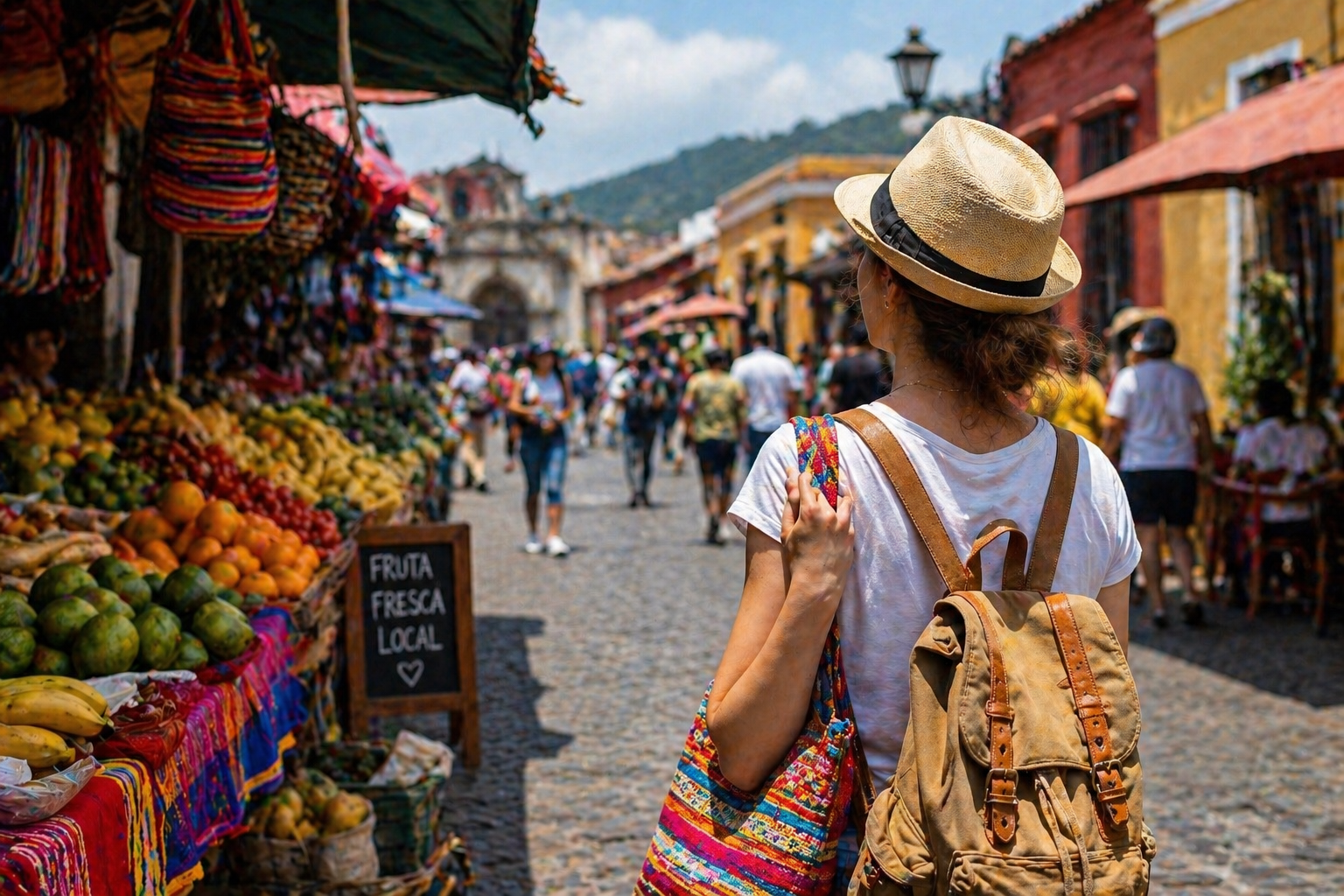
One of the best parts of traveling is experiencing the local side of a destination. Famous attractions can be beautiful, but local experiences often create deeper memories. A neighborhood market, a traditional meal, a street performance, a quiet square, a local festival, or a simple conversation can show you more about a place than an expensive tour.
Many travelers think authentic experiences require a large budget. In reality, some of the most meaningful travel moments are affordable or even free. The key is knowing where to look, how to move beyond tourist traps, and how to spend money intentionally.
You do not need to spend a fortune to feel connected to a destination. You need curiosity, respect, and a little planning.
Start With Local Neighborhoods
Tourist areas are convenient, but they often have higher prices and fewer everyday local experiences. To understand a destination better, explore neighborhoods where people live, work, shop, and relax.
Look for areas with markets, small cafés, bakeries, parks, local shops, public squares, bookstores, and family restaurants. These places usually offer a more natural view of daily life.
Before going, research safety and transportation. Choose neighborhoods that are accessible and appropriate for visitors.
Walking through a local neighborhood can be one of the simplest and richest ways to experience a city without spending much.
Visit Public Markets
Markets are excellent places to experience local culture affordably. They show regional ingredients, traditional foods, crafts, flowers, spices, fruits, seafood, clothing, and daily habits.
You do not need to buy much to enjoy a market. Walk slowly, observe the colors and smells, try a small snack, or have a simple meal at a food stall.
Markets are also great places to find affordable souvenirs. Local products often feel more meaningful than generic items sold in tourist shops.
Be respectful when taking photos, especially of vendors or customers. If in doubt, ask permission.
A market visit can turn an ordinary morning into a memorable travel experience.
Try Local Food in Simple Places
Food is one of the easiest ways to connect with a destination. But you do not need expensive restaurants to enjoy local cuisine.
Look for casual restaurants, bakeries, food stalls, markets, family-run places, and neighborhood cafés. These often serve traditional dishes at better prices than restaurants near major tourist attractions.
Ask locals or accommodation staff where they like to eat. Search for places with steady local customers, clear menus, and fresh food.
A simple meal can carry a lot of culture. Bread, soup, rice dishes, street snacks, pastries, coffee, or regional desserts may tell you more about local life than a formal dinner.
Join Free or Low-Cost Walking Tours
Many cities offer free or low-cost walking tours. These tours can introduce you to history, architecture, neighborhoods, legends, and cultural details.
Even when a tour is advertised as free, it is usually expected that participants tip the guide if they enjoyed the experience. This can still be more affordable than many private tours.
Walking tours are especially useful at the beginning of a trip. They help you understand the city layout and discover places you may want to revisit later.
Choose tours with good reviews and guides who respect local culture.
A good walking tour can give you context without requiring a large budget.
Use Public Transportation
Public transportation can be both practical and cultural. Buses, trains, trams, ferries, and metro systems show how locals move through the city.
Using public transportation often costs much less than taxis or private transfers. It can also take you to neighborhoods beyond the main tourist zones.
Before using it, learn the basics: ticket types, payment methods, schedules, safety tips, and routes. Some cities offer daily or weekly passes that save money.
Public transportation is not only a way to move. It can be part of the local experience.
Look for Free Cultural Events
Many destinations offer free or affordable cultural events. These may include music performances, open-air cinema, festivals, art exhibitions, street theater, public lectures, local celebrations, markets, religious events, or community fairs.
Before traveling, check local event calendars, tourism websites, cultural centers, public libraries, parks, and museum schedules.
Free events can be especially meaningful because they often attract local residents, not only visitors.
If you attend a cultural or religious event, observe respectfully and follow local expectations.
Spend Time in Public Spaces
Public spaces reveal a lot about a destination. Parks, plazas, waterfronts, gardens, beaches, riversides, and pedestrian streets often show how people gather, rest, exercise, talk, and enjoy daily life.
Spending time in these places is usually free or inexpensive. You can walk, sit, read, people-watch, take photos, listen to music, or have a simple picnic.
A public square in the evening, a park on a Sunday morning, or a waterfront at sunset can create beautiful memories without high costs.
Sometimes the atmosphere of a place is best felt by simply being present.
Visit Museums on Free or Discounted Days
Many museums and cultural institutions have free entry days, discounted hours, student prices, family passes, or lower-cost tickets for certain times.
Research before your trip. If a museum is important to you, check its official schedule and ticket rules.
Some smaller museums are affordable all the time and may offer excellent local history, art, or cultural context.
Do not assume that only famous museums are worth visiting. A small local museum can help you understand the destination deeply.
Planning museum visits around discounts can save money while adding cultural value to the trip.
Take Self-Guided Walks
You do not always need a paid tour to explore meaningfully. A self-guided walk can be simple, flexible, and free.
Choose a theme: historic streets, street art, architecture, local cafés, bookstores, viewpoints, gardens, or markets. Use a map to create a route and walk at your own pace.
You can read short descriptions online before leaving or download information for offline access.
Self-guided walks allow you to pause whenever you want, take photos, sit in a café, or change direction.
This is one of the best ways to explore slowly and affordably.
Ask Locals for Simple Recommendations
Local recommendations can lead to affordable and authentic experiences. Ask hotel staff, guides, shop owners, café workers, or residents where they like to eat, walk, or relax.
Instead of asking only for “the best restaurant,” ask for a place where locals go for lunch. Instead of asking for famous attractions, ask where people enjoy sunset or weekend walks.
Be polite and respectful. Not everyone has time to help, but many people enjoy sharing simple suggestions.
Local advice often leads to places that are less expensive and more memorable.
Choose One Paid Experience That Matters
Saving money does not mean avoiding all paid experiences. Sometimes one well-chosen activity can be worth it.
Instead of spending on many small touristy things, choose one experience that truly interests you. This could be a cooking class, guided tour, traditional performance, boat ride, craft workshop, food tour, or entrance to a special site.
The key is choosing intentionally. Ask yourself whether the experience will help you understand the destination better or create a meaningful memory.
Spend where it adds real value. Save where it does not.
Eat Where the Menu Feels Local
Restaurants in tourist zones sometimes offer international menus designed for visitors. These can be convenient, but they may be more expensive and less connected to local cuisine.
Look for places that serve regional dishes, local ingredients, and simple daily meals. In some destinations, lunch menus or daily specials are more affordable than dinner.
Markets, bakeries, and casual restaurants can provide great local flavor at fair prices.
Eating locally does not have to be complicated. It can be as simple as choosing what people in the area actually eat.
Travel Slowly Within the Destination
Moving too quickly often leads to higher costs. When you rush, you may rely more on taxis, eat in expensive convenient places, and pay for shortcuts.
Slow travel helps you notice affordable options. You discover local bakeries, free viewpoints, public gardens, small shops, and neighborhood cafés.
Even if your trip is short, you can travel slowly within each day. Spend more time in one area instead of jumping between distant attractions.
A slower rhythm often creates richer and cheaper experiences.
Avoid Tourist Traps
Tourist traps are places designed mainly to get quick money from visitors. They may include overpriced restaurants, low-quality souvenir shops, unofficial tours, or attractions that promise more than they deliver.
To avoid them, check reviews, compare prices, walk a few streets away from major attractions, and be cautious with aggressive sales approaches.
A restaurant with photos of every dish in many languages is not automatically bad, but it is worth checking carefully.
The more you understand local prices and options, the easier it is to avoid overspending.
Use Local Grocery Stores
Grocery stores are underrated travel experiences. They show local snacks, drinks, fruits, breads, sweets, and everyday products.
Buying a few items from a grocery store can save money on breakfast, snacks, water, or picnic meals. It can also be fun to discover products you do not have at home.
This is especially useful for longer trips or destinations where restaurants are expensive.
A simple picnic with local bread, cheese, fruit, or pastries can be more memorable than an overpriced meal.
Explore Local Crafts Thoughtfully
Crafts can reveal local traditions and support artisans. Instead of buying generic souvenirs, look for handmade products, local art, textiles, ceramics, paper goods, or regional items.
You do not need to buy expensive pieces. Even a small handmade object can carry meaning.
Visit artisan markets, craft fairs, local studios, or small shops when possible.
Ask politely about the work if the artisan is available. Understanding how something is made can turn a purchase into a cultural experience.
Enjoy Nature-Based Experiences
Nature often offers affordable and powerful travel memories. Beaches, trails, parks, rivers, gardens, viewpoints, lakes, forests, and scenic walks can be free or low-cost.
Research local nature spots that are safe and accessible. Bring water, comfortable shoes, sun protection, and respect local rules.
A sunset, quiet trail, morning beach walk, or mountain viewpoint can become the highlight of the trip.
Nature reminds travelers that meaningful experiences do not always require expensive tickets.
Be Present During Small Moments
Local experiences are not only activities you schedule. They also happen in ordinary moments.
Listening to street musicians, watching people gather in a square, smelling bread from a bakery, hearing another language, seeing children play in a park, or drinking coffee at a small table can all become part of the journey.
The more present you are, the more value you find in simple things.
Travel becomes cheaper and richer when you stop needing every moment to be a paid attraction.
Spend Less and Experience More
Enjoying local experiences without spending too much is about curiosity and intention. Visit markets, walk through neighborhoods, eat in simple local places, use public transportation, look for free events, explore public spaces, and choose paid activities carefully.
Authentic travel is not always expensive. Often, it is found in daily life, local flavors, public spaces, and small discoveries.
When you travel this way, you spend less money but gain more connection. You return home not only with photos, but with a deeper feeling for the place you visited.