
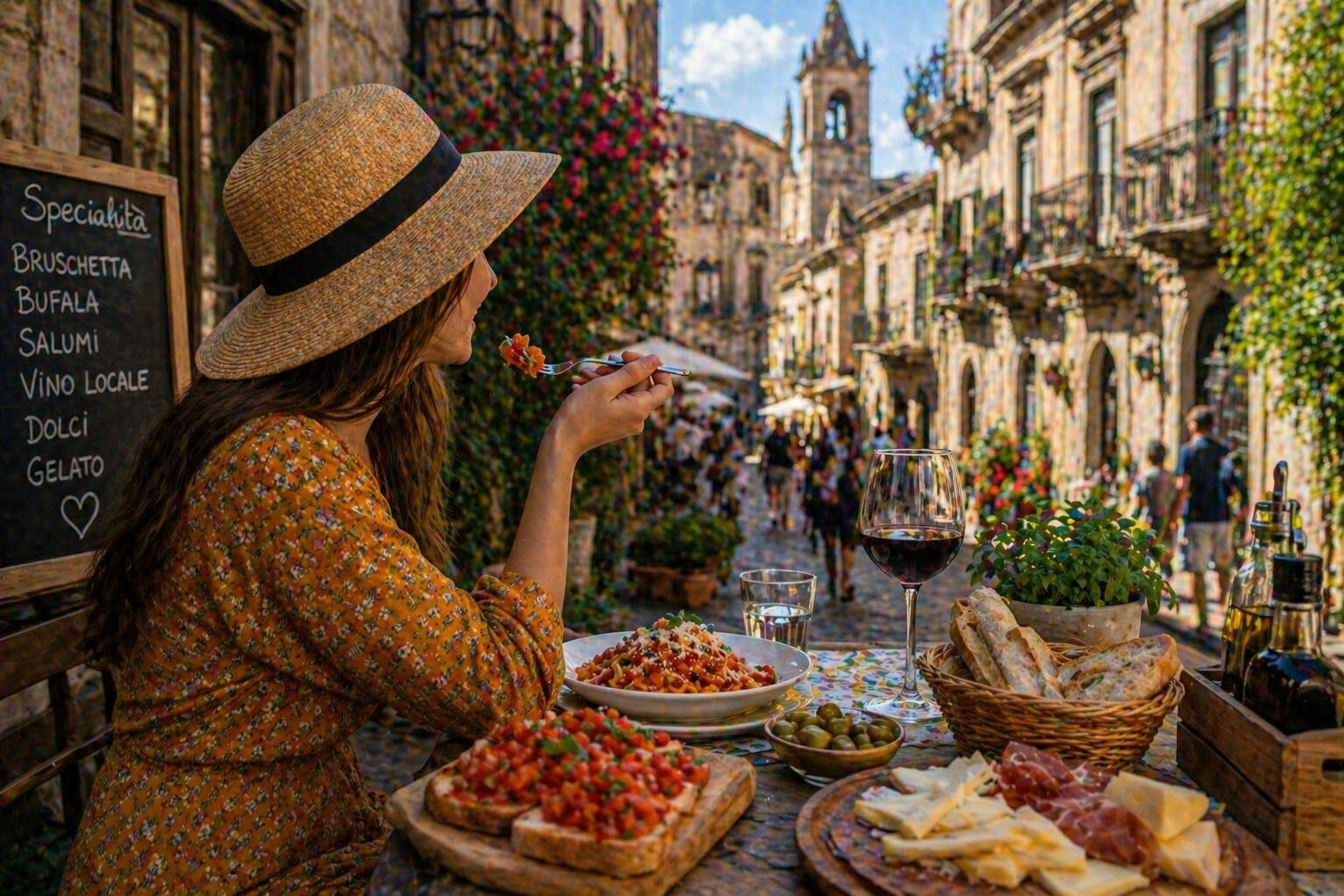
Gastronomic tourism is one of the most enjoyable ways to discover a destination. Food tells stories about culture, history, geography, family traditions, climate, migration, and local identity. A simple dish can reveal more about a place than many guidebooks.
Traveling for food does not mean eating at expensive restaurants every day. It means paying attention to flavors, ingredients, markets, street food, traditional recipes, regional products, and the people who prepare them.
A gastronomic trip can be simple, rich, and memorable when planned with curiosity and balance. Whether you are visiting a large city, a small town, a coastal region, or a countryside destination, food can become one of the best parts of the journey.
Start by Researching Local Cuisine
Before traveling, learn about the typical food of the destination. Research traditional dishes, ingredients, desserts, drinks, breads, cheeses, spices, fruits, and regional specialties.
Try to understand why certain foods are important. Some recipes may come from indigenous traditions, immigration, farming, fishing, religious celebrations, or historical trade routes.
This research helps you know what to look for when you arrive. It also prevents you from eating only familiar foods because you did not know what was typical.
You do not need to create a strict food schedule. Just make a list of dishes and places that interest you.
Visit Local Markets
Markets are one of the best places for gastronomic tourism. They show the ingredients that shape local cooking and reveal how people shop, eat, and interact.
In markets, you may find fruits, vegetables, spices, fish, meat, cheese, bread, sweets, coffee, local drinks, and handmade products. You may also find simple food stalls serving traditional meals.
Walk slowly, observe the colors and smells, and ask polite questions when appropriate. If you want to photograph vendors or close-up products, ask permission when needed.
A market visit can teach you a lot about the destination’s daily life and culinary identity.
Try Traditional Restaurants
Traditional restaurants are important for understanding regional cuisine. They often serve recipes that have been prepared for generations or dishes that local people consider part of their identity.
Look for restaurants that are recommended by locals, family-run places, or simple establishments with good reviews. A traditional meal does not need to be luxurious to be memorable.
Before choosing a restaurant, read the menu, check reviews, and see whether it serves typical dishes. Avoid places that look designed only for tourists if you want a more authentic experience.
A good traditional restaurant helps you taste the destination with context.
Balance Famous Places With Hidden Gems
Some famous restaurants, bakeries, or food stalls are worth visiting. They may be known for a reason and can offer excellent experiences. However, do not limit your gastronomic trip only to places that appear on popular lists.
Explore smaller cafés, neighborhood restaurants, markets, bakeries, and local shops. Ask hotel staff, guides, shop owners, or residents where they like to eat.
Hidden gems often provide more personal and relaxed experiences. They may also be more affordable and less crowded.
A balanced food itinerary includes both well-known places and spontaneous discoveries.
Take a Food Tour
A food tour can be a great introduction to a destination’s cuisine. A good guide can explain ingredients, traditions, history, and local eating habits while taking you to different food stops.
Food tours are especially useful in cities with strong culinary traditions or places where you are unfamiliar with the language and menu.
Choose tours with good reviews and a respectful approach to local culture. Smaller groups often provide a better experience.
A food tour can help you discover dishes you might not try alone and give you confidence to explore more afterward.
Learn Basic Food Vocabulary
If you are traveling to a place where another language is spoken, learn basic food words. This can help you read menus, ask questions, and communicate dietary needs.
Useful words may include water, coffee, bread, meat, fish, chicken, vegetables, spicy, sweet, without, with, allergy, and thank you.
If you have allergies or dietary restrictions, prepare translations in advance and keep them saved on your phone. This is especially important for serious allergies.
Knowing a little food vocabulary makes dining easier and more enjoyable.
Respect Local Eating Habits
Every destination has its own food habits. Meal times, portion sizes, tipping customs, table manners, breakfast styles, and restaurant rhythms can vary.
In some places, dinner starts late. In others, lunch is the main meal of the day. Some cultures value long meals, while others have quick casual dining. Some restaurants expect reservations, while others are more spontaneous.
Research local habits before traveling and observe how people around you behave.
Respecting food culture helps you have a smoother experience and shows consideration for local customs.
Be Open to New Flavors
Gastronomic tourism requires curiosity. Some flavors, textures, or ingredients may be unfamiliar at first. You do not need to like everything, but being open can lead to surprising discoveries.
Try small portions when possible. Share dishes with travel companions. Ask how something is prepared. Start with traditional foods that seem approachable, then explore more adventurous options if you feel comfortable.
Avoid judging a dish too quickly based only on appearance. Some of the best travel meals may be different from what you normally eat.
Food travel is a chance to expand your taste.
Plan Special Meals in Advance
If there is a restaurant, tasting menu, cooking class, or food experience you really want, book it in advance. Popular places may fill up quickly, especially during weekends, holidays, and high season.
Planning one or two special meals can make the trip feel more intentional. However, avoid booking every meal too rigidly. Gastronomic travel should also leave space for spontaneous discoveries.
A good approach is to reserve important experiences and keep casual meals flexible.
This balance gives structure without removing freedom.
Try Street Food Safely
Street food can be one of the most authentic and memorable parts of a trip. It often reflects local flavors, daily life, and affordable eating traditions.
Choose stalls that look clean, busy, and popular with locals. Food that is cooked fresh in front of you is often a safer choice than food that has been sitting out for a long time.
Observe hygiene, turnover, and how the food is handled. If you have a sensitive stomach, start slowly and avoid anything that makes you uncomfortable.
Street food can be wonderful, but choose carefully and listen to your body.
Visit Bakeries and Cafés
Bakeries and cafés are excellent places to experience local food culture in a relaxed way. Bread, pastries, cakes, coffee, tea, sandwiches, and regional sweets can reveal a lot about daily life.
A morning visit to a local bakery may become one of the simplest and most pleasant parts of your trip.
Try something typical instead of ordering only what you already know. Ask what is popular or traditional if language allows.
Small food moments often become strong travel memories.
Explore Regional Drinks
Gastronomic tourism is not only about food. Drinks also tell cultural stories. Depending on the destination, this may include coffee, tea, juices, fermented drinks, wine, beer, herbal infusions, or traditional non-alcoholic beverages.
Research local drinks and try them responsibly. If alcohol is involved, respect your limits, local laws, and cultural expectations.
Coffee culture, tea rituals, wine regions, and local juices can all add depth to your trip.
A drink enjoyed in the right setting can become part of the destination’s atmosphere.
Take a Cooking Class
A cooking class is one of the best ways to understand a destination through food. You learn ingredients, techniques, stories, and traditions directly through practice.
Cooking classes may include market visits, hands-on preparation, shared meals, and cultural explanations.
Choose a class that fits your level of interest. Some are professional and detailed, while others are casual and social.
After the trip, you may be able to recreate a dish at home, keeping the travel memory alive.
Pay Attention to Ingredients
Ingredients reveal geography and climate. Coastal destinations often have fish and seafood. Mountain regions may have cheeses, stews, and warm dishes. Tropical areas may offer fruits, spices, and fresh juices. Agricultural regions may be known for grains, vegetables, oils, or wines.
When eating, notice what ingredients appear repeatedly. This helps you understand the local environment and food traditions.
Markets, farms, vineyards, and food producers can also be interesting visits for travelers who enjoy culinary experiences.
Food connects the land to the table.
Avoid Overplanning Your Meals
Food travel should be enjoyable, not stressful. If every meal is scheduled, you may miss spontaneous discoveries or feel pressured to follow a strict plan.
Leave some meals open. Walk through neighborhoods, follow good smells, notice where locals eat, and allow yourself to choose in the moment.
Some of the best meals happen unexpectedly.
A flexible food plan keeps the trip relaxed and fun.
Respect Your Body
Trying new foods is exciting, but do not ignore your body. Travel can already affect digestion, sleep, hydration, and energy.
Eat with curiosity but also with balance. Drink water, include lighter meals when needed, and avoid pushing yourself to try everything at once.
If you have allergies, intolerances, or dietary needs, plan carefully and communicate clearly.
A good gastronomic trip should make you happy, not uncomfortable.
Bring Food Memories Home
Food memories can continue after the trip. Bring home local ingredients, spices, coffee, tea, sweets, recipe books, or handmade kitchen items if allowed and practical.
Make sure to follow travel and customs rules when transporting food products.
You can also write down favorite dishes, restaurant names, recipes, or flavors you want to remember.
Food souvenirs are often meaningful because they allow you to revisit the destination through taste.
Taste the Destination With Curiosity
Gastronomic tourism is a delicious and meaningful way to travel. Research local cuisine, visit markets, try traditional restaurants, explore street food carefully, take food tours, learn basic vocabulary, and stay open to new flavors.
You do not need a luxury budget to enjoy food travel. Some of the best experiences happen in simple places, local markets, small bakeries, and family restaurants.
When you travel through food, you discover more than meals. You discover stories, traditions, people, and the unique identity of each destination.