
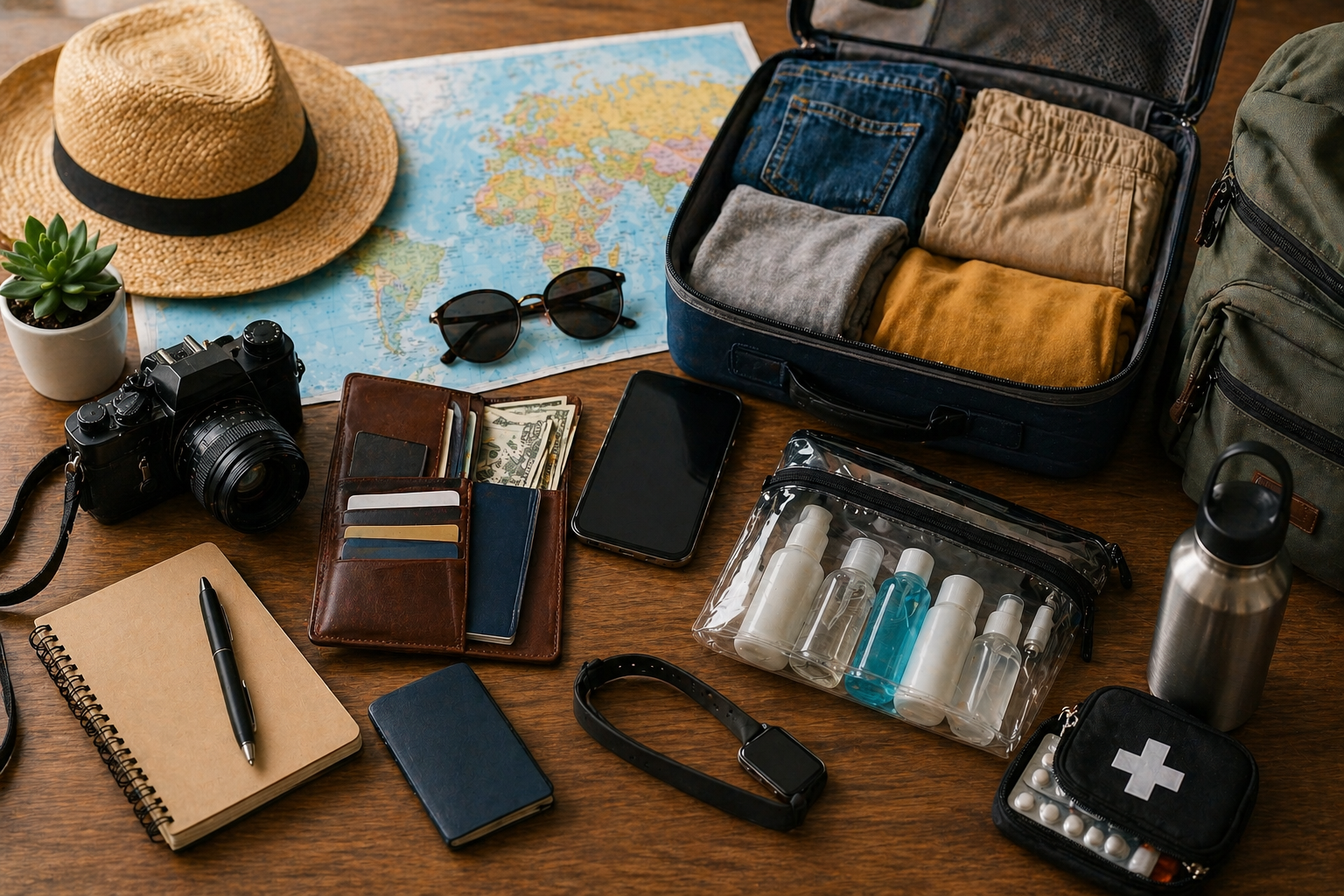
Travel is full of exciting moments, but it can also bring small surprises. A delayed flight, a missing document, bad weather, a closed attraction, a lost reservation, or a forgotten charger can quickly create stress if you are not prepared.
The truth is that no traveler can control everything. Even the most organized trip can face changes. However, many problems can be avoided or reduced with simple preparation before and during the journey.
Avoiding unexpected problems does not mean planning every minute or worrying about everything. It means creating a practical safety net so that small issues do not ruin the experience.
Research the Destination Before You Go
Good research is one of the easiest ways to prevent travel problems. Before arriving, learn the basics about your destination.
Check the local climate, transportation options, safe areas, common tourist mistakes, cultural habits, payment methods, and opening hours of attractions. These details may seem small, but they can affect your entire trip.
For example, some museums close on specific weekdays. Some restaurants do not serve food during certain hours. Some destinations require cash in places where cards are not widely accepted. Some cities have neighborhoods that are better avoided at night.
Research helps you arrive with realistic expectations. It also gives you more confidence when making decisions in a new place.
You do not need to memorize everything. Just understand the most important practical details.
Check Your Documents Early
Document problems are among the most stressful travel issues because they can prevent you from boarding, checking in, or entering a destination.
Before your trip, check all required documents carefully. For domestic travel, make sure your identification is valid and accepted by the transportation company. For international travel, check your passport validity, visa rules, entry requirements, travel insurance recommendations, and any necessary certificates.
Do this early, not the night before departure. Some documents take time to renew or request.
Keep physical and digital copies of important documents. Store copies in your email, cloud storage, and phone. It is also helpful to have a printed copy of your accommodation details, travel insurance, and key reservations.
Organized documents reduce anxiety and make airport, hotel, and transportation procedures much easier.
Confirm Reservations Before Departure
Even when you receive confirmation emails, it is wise to review your reservations before traveling. Mistakes can happen with dates, names, room types, baggage rules, transportation schedules, or payment details.
A few days before your trip, confirm your accommodation, flights, trains, buses, car rental, tours, and important restaurant bookings.
Check the dates carefully. Make sure arrival and departure times match your itinerary. Review cancellation policies and check-in instructions.
If you booked through a platform, save the confirmation number and the property’s contact information. If you booked directly, keep the email or receipt accessible.
This simple habit helps you catch problems while there is still time to fix them.
Arrive Early for Transportation
Many travel problems become worse because of rushing. Arriving late at airports, bus stations, train stations, or tour meeting points creates unnecessary stress.
Plan to arrive earlier than the minimum time suggested. This is especially important if you are unfamiliar with the station, traveling during holidays, checking luggage, or moving through a large airport.
Unexpected traffic, long lines, security checks, or confusion with gates and platforms can take more time than expected.
Being early may feel boring, but it gives you peace of mind. You can find your way calmly, buy water or snacks, use the restroom, and handle small issues without panic.
Time is one of the best protections against travel stress.
Pack Essentials in Your Personal Bag
Luggage can be delayed, misplaced, or hard to access during travel. That is why important items should stay in your personal bag.
Keep documents, money, cards, medicine, phone, charger, travel insurance details, keys, valuable items, and basic hygiene products close to you.
If you are flying, include a change of clothes and essential medication in your carry-on. This can be very helpful if checked luggage does not arrive at the same time as you.
Your personal bag should also include items that make travel days easier, such as headphones, snacks, water bottle, tissues, hand sanitizer, and a light jacket.
Packing essentials separately helps you stay comfortable even when luggage problems happen.
Prepare for Weather Changes
Weather is one of the most common reasons travel plans change. Rain, wind, heat, cold, or storms can affect tours, transportation, clothing, and outdoor activities.
Before leaving, check the forecast for your destination. But remember that weather can change, especially in coastal, mountain, or tropical areas.
Pack practical items according to the destination. A compact umbrella, light rain jacket, sunscreen, hat, sunglasses, or warm layer can make a big difference.
Also create backup plans. If you planned an outdoor activity, choose an indoor alternative in case of rain. Museums, cafés, markets, cultural centers, and scenic drives can save the day when the weather does not cooperate.
You cannot control the weather, but you can avoid being completely unprepared for it.
Avoid Overloading Your Itinerary
An itinerary that is too full increases the chance of problems. When every activity depends on the previous one happening perfectly, one delay can affect the entire day.
Leave space between activities. Consider transportation time, meal breaks, rest, lines, and possible changes. Trying to do too much can make the trip feel rushed and stressful.
Choose a few priorities for each day. If everything goes well, you can add optional activities. If something changes, you will still enjoy the main experiences.
A flexible itinerary is easier to adjust. It allows you to respond calmly when transportation is late, an attraction is closed, or you simply feel tired.
Travel is more enjoyable when your schedule has room to breathe.
Learn Basic Local Rules and Customs
Many unexpected problems happen because travelers do not understand local rules or customs. What is normal in one place may be considered rude, unsafe, or even prohibited in another.
Before your trip, research basic etiquette, clothing expectations, tipping habits, public behavior rules, transportation norms, and photography restrictions.
This is especially important when visiting religious sites, cultural landmarks, traditional communities, or countries with customs very different from your own.
Respecting local habits helps you avoid uncomfortable situations and shows consideration for the people who live there.
A respectful traveler usually has a smoother and more meaningful experience.
Keep Money and Cards Organized
Payment problems can quickly become stressful during a trip. A card may not work, a machine may be unavailable, or a place may accept only cash.
Carry more than one payment method when possible. Keep some cash for small expenses, transportation, tips, markets, or emergencies. Do not keep all your money in one place.
Before traveling, check if your cards work at the destination, especially for international trips. Inform your bank if necessary and understand possible fees.
Use a secure wallet or money pouch, and be careful in crowded places. Avoid showing large amounts of cash in public.
Good money organization helps you handle daily expenses with confidence.
Save Important Information Offline
Internet access is not guaranteed everywhere. Your phone may lose signal, your battery may die, or mobile data may not work as expected.
Before traveling, save important information offline. This may include maps, hotel addresses, transportation routes, tickets, reservation confirmations, emergency contacts, and copies of documents.
Taking screenshots is a simple and effective solution. Offline maps can also help you navigate without internet.
A portable charger is useful for long travel days, especially if you use your phone for maps, tickets, photos, and communication.
When important information is available offline, you feel less dependent on perfect conditions.
Be Careful With Your Belongings
Losing belongings during a trip can create stress, cost money, and waste time. Some simple habits can reduce the risk.
Keep your bag closed in crowded areas. Do not leave your phone, wallet, camera, or passport unattended on tables or seats. Be extra careful in airports, stations, markets, public transportation, and busy tourist spots.
Use hotel safes when appropriate, but do not forget items inside them when checking out. Before leaving any place, make a quick check: phone, wallet, documents, keys, and bag.
Avoid carrying unnecessary valuables. The fewer important items you bring, the easier it is to protect them.
Attention is often enough to prevent common losses.
Have a Basic Emergency Plan
You do not need to travel with fear, but it is smart to know what to do if something goes wrong.
Save local emergency numbers, the address of your accommodation, contact details for your travel insurance, and phone numbers of people you trust.
For international travel, know where your country’s embassy or consulate is located. If you have health needs, research nearby pharmacies or hospitals before the trip.
Share your general itinerary with someone close to you, especially if you are traveling alone.
An emergency plan is something you hope not to use, but it brings peace of mind.
Stay Calm When Plans Change
Even with preparation, some things may still go wrong. The way you respond can make a big difference.
If your plan changes, take a moment to breathe and understand the situation. Look for alternatives instead of focusing only on the problem.
A closed attraction may lead you to discover another place. A rainy day may become a slower, more relaxing experience. A delay may give you time to rest or reorganize your plans.
Not every unexpected situation is a disaster. Some become part of the story.
Patience and flexibility are essential travel skills.
Travel With More Peace of Mind
Unexpected problems are part of travel, but many of them can be avoided with preparation. Research your destination, check documents, confirm reservations, arrive early, pack essentials in your personal bag, prepare for weather changes, and keep your itinerary flexible.
The goal is not to create a perfect trip. The goal is to reduce unnecessary stress and feel ready to handle small challenges.
When you plan with care, you travel with more confidence. You spend less time solving problems and more time enjoying the destination.
A well-prepared traveler is not someone who controls everything. It is someone who knows how to adapt, stay calm, and continue making the most of the journey.